


 русский
 Español
 عربى

How Long Can Formula Be Out of the Fridge? Safe Storage Tips and Guidelines
 2026.11.10
 Industry News
Content
Few parenting questions create as much uncertainty as how long can formula be out of the fridge. Between advice from friends, pediatricians, and the side of the can, it is easy to overthink. The good news is that the safety rules are clearer than they seem. Over the years, as we design products for feeding families, we have learned that the key is to build a simple routine around the bottle: prepare, refrigerate, warm, and feed. That routine becomes easier when you can predict what happens at each step.
The Two-Hour Room Temperature Rule
Once formula has been mixed or poured into a bottle, it is safe to leave at room temperature for up to two hours. This applies to powdered formula mixed with water, liquid concentrate mixed with water, and ready-to-feed formula that has been poured from its original container. The two-hour timer starts the moment the bottle is prepared, not when you start feeding. If a room feels warm and stuffy, shorten that window; a hot kitchen or a sunny windowsill can make the milk less forgiving.
- Keep fresh bottles out of direct sunlight.
- Do not place the bottle next to a stove, radiator, or car dashboard.
- If you cannot remember how long the bottle has been out, throw it away.
If you plan to prepare bottles ahead, the safest approach is to place them in the fridge right after mixing. Do not leave them on the counter to cool first. The two-hour rule still applies to the time they spend at room temperature, so move them into the fridge as soon as the powder has dissolved and the bottle is safe to handle.
When your baby begins drinking, the clock changes. Saliva can introduce bacteria, so the bottle should be finished within one hour. Any formula left in the bottle after that should be discarded, even if it still looks and smells fine.
How Long Is Prepared Formula Good in the Fridge?
Refrigeration slows but does not stop the growth of bacteria. Prepared formula can stay in the refrigerator for a limited time, and not all formulas behave the same way. The table below breaks down the most common storage times.
| Formula type | At room temperature | In the refrigerator | After baby begins feeding |
|---|---|---|---|
| Prepared from powder | 2 hours | 24 hours | 1 hour |
| Mixed liquid concentrate | 2 hours | 24 hours | 1 hour |
| Opened ready-to-feed liquid | 2 hours | 48 hours | 1 hour |
| Unopened liquid formula | Until printed date | Until printed date | — |
Store bottles at the back of the fridge, not in the door, because the door experiences more temperature swings. It is also a good habit to label each bottle with the time and date. That way, even when you have several bottles in the fridge, you know which one must be used first.
Once a refrigerated bottle is removed and warmed, it is treated as room temperature formula. It must be used within two hours, and it should never go back into the fridge after warming.
Unopened Formula and Powder Shelf Life
Unopened formula should always be used by the date printed on the packaging. For powdered formula, store the sealed container in a cool, dry cupboard. Once you open the powder, most manufacturers recommend using it within one month, so write the opening date on the lid. Unopened liquid formula and ready-to-feed cartons are sealed until you break the seal, so they can stay at normal pantry temperature according to the label.
Freezing formula is not recommended. Freezing can separate the ingredients, change the texture, and create extra handling risk. The safest approach is to keep opened powders and prepared bottles on a clear schedule: use what is fresh, refrigerate what you need soon, and never rely on the freezer to extend safety.
Can You Reheat or Re-Refrigerate Formula?
Reheating a bottle that has already been partially used or has been sitting out is not safe. The mix of heat, moisture, and saliva can quickly create conditions where bacteria multiply. Even a bottle that came from the fridge and was gently warmed should be used immediately rather than refrigerated again. The microwave is also a poor choice because it heats unevenly, creating hot spots that can burn a baby's mouth and may also reduce the nutritional quality of the formula.
If you want to warm a fresh bottle, use a warm water bath or a dedicated bottle warmer. The goal is to bring the formula to feeding temperature right when your baby is ready. If you are curious how a bottle warmer fits into the preparation routine, our guide to baby formula mixers and bottle warmers explains the options.
When to Throw Out a Bottle
When in doubt, discard it. These are the clearest signs that the bottle has passed the safe window:
- It has been at room temperature for more than two hours.
- Your baby started feeding more than one hour ago and milk remains.
- The prepared bottle has been in the fridge for more than 24 hours, or more than 48 hours for opened ready-to-feed formula.
- It smells sour, has an unusual texture, or separates in a way it should not.
- The bottle was left in a hot car, near a heater, or in direct sunlight.
- You simply are not sure how long it has been sitting.
These checks become second nature once they are part of every feed. They also help you waste less formula by making you more conscious of what needs to be used first.
Smart Feeding Tools That Make Preparation Easier
A large part of safe formula storage is rhythm. When bottles are mixed just before a feed, they do not have time to sit on the counter. In our experience, families who can prepare a bottle quickly and at the right temperature are much more likely to follow the two-hour rule. That is why we build products that remove guesswork from bottle preparation.
 Intelligent Constant-Temperature Baby Milk Shaker with Even MixingThis shaker combines warming and stirring to prepare formula at feeding temperature just before use. It helps families follow safe two-hour storage rules by eliminating guesswork.View Product →
Our intelligent constant temperature baby milk shaker is a good example. It mixes formula powder evenly and brings the bottle to a gentle feeding temperature just before you need it. That helps you avoid preparing a bottle too far in advance and then leaving it on the counter to cool or be forgotten.
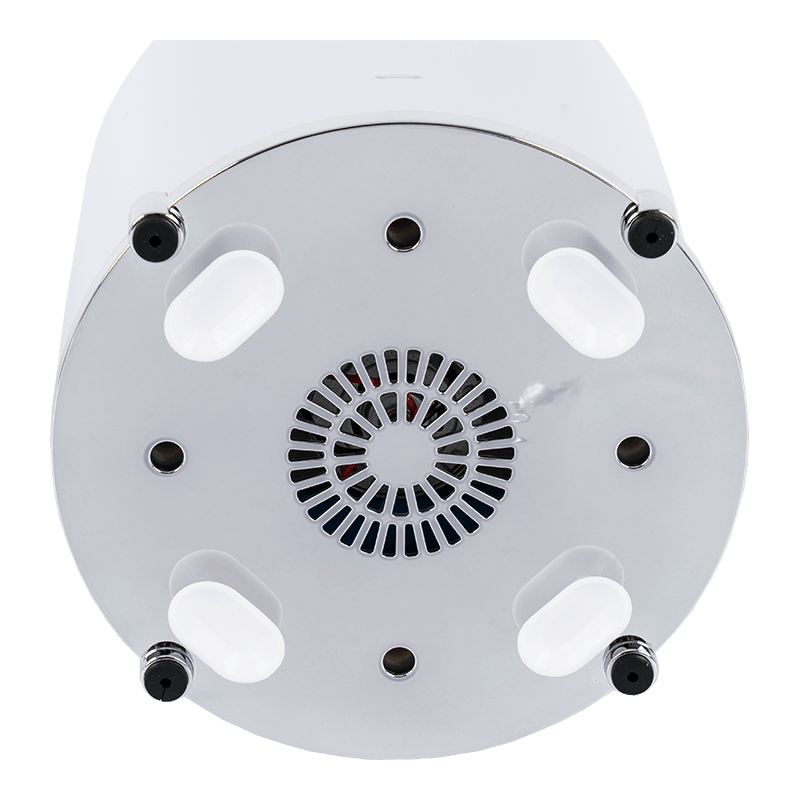 Compact Portable Electric Baby Milk Shaker for On-the-Go UseA lightweight, USB-charged shaker that fits a diaper bag and mixes fresh bottles on demand. Reduces clumps and bubbles, making it easy to avoid preparing bottles too far ahead.View Product →
For days when you are out of the house, an intelligent portable electric shaker is compact enough to keep in a diaper bag. It makes it easy to mix a fresh single bottle from powder or concentrate only when your baby is ready. A small, practical tool like this is one less reason to let a bottle wait for too long.
Final Thoughts
Feed time is easier when the numbers are in your head. Remember two hours on the counter, one hour from the first sip, 24 hours in the fridge for most freshly made bottles, and 48 hours for an opened container of ready-to-feed formula. Those simple benchmarks keep formula safe and reduce waste. If you ever want to talk through the equipment that supports this routine, our team is happy to help through our contact page.

Recommended Products
Latest News
Contact Us
LET'S START COLLABORATING
Jialiang Electrical Appliance develops high-quality automotive and household products, including inflators, vacuum cleaners, bottle warmers, and small appliances. We aim to enhance daily life with innovative, user-focused solutions.
Product
Jump Starter and Air Compressor Solar LED Reflective Warning Triangle Light Wireless Mini Vacuum Cleaner Baby Milk Shaker Foam SprayerSTAY CONNECTED
 +86 13956690933
 [email protected]
 No. 67, Mojian Hill, Ditang Street, Yuyao City, Ningbo City, Zhejiang Province, China.
MOBILE
Copyright © Yuyao Jialiang Electrical Appliance Co., Ltd. All Rights
Reserved
 Custom Electric Household Appliances Manufacturers