


 русский
  Español
  عربى
عربى As China Car Vacuum Cleaner Wireless Manufacturers and Household Vacuum Cleaners Suppliers, Yuyao Jialiang Electric Appliance Co., Ltd. was established in 2022 and is located in Yuyao, Zhejiang, a "National Foreign Trade Transformation and Upgrading Base (Household Appliances)." Leveraging the region's well-developed home appliance industrial chain and mold supply advantages, the company specializes in the research and development, manufacturing, and global sales of automotive electrical appliances and small household appliances. The company's core products include automotive air pumps, car/household vacuum cleaners, and baby bottle mixers and warmers. In addition, it is involved in the production and sale of household appliances, plastic products, and hardware items, as well as import and export trading. As a small enterprise combining R&D with international trade capabilities, the company focuses on providing high-value, cost-effective products. Designed to meet daily household needs and automotive care requirements, its offerings benefit from Yuyao's home appliance cluster, which enables "localized supply and quick response," ensuring strong product quality and timely delivery. Building on Yuyao’s established foundation of home appliance exports to over 150 countries and regions worldwide, the company actively expands into international markets. It is committed to providing global customers with reliable electrical products and customized solutions, gradually establishing a differentiated competitive edge in the automotive aftermarket and maternal-infant small appliance sectors.

Wireless Handheld Vacuum Cleaner Manufacturers
-
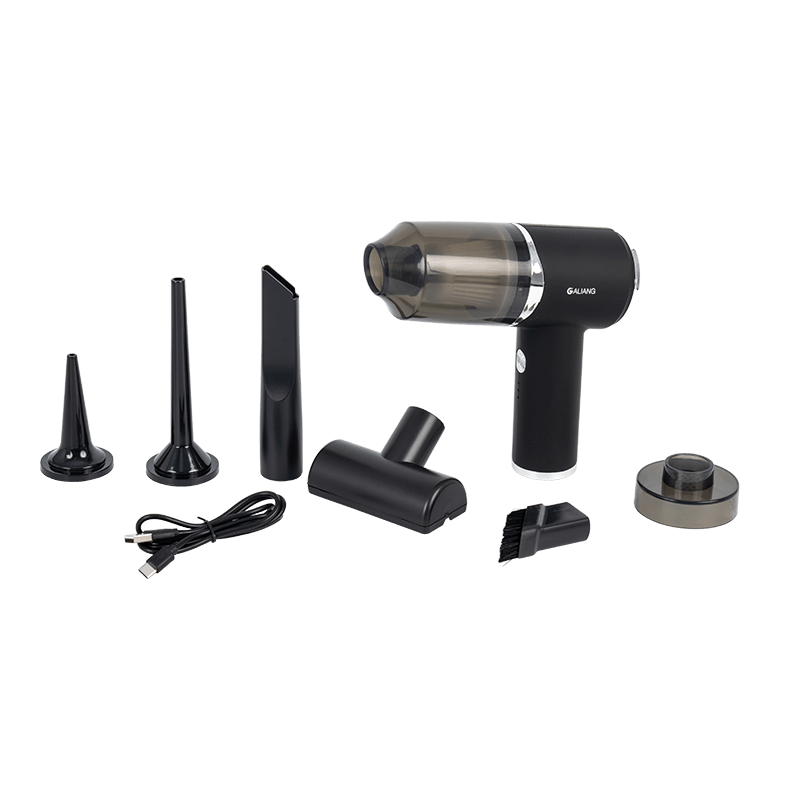 JL-003 Portable Wireless Mini Vacuum Cleaner for CarThe JL-003 Portable Wireless Mini Vacuum Cleaner for Cars combines powerful suction with lightweight...
 -
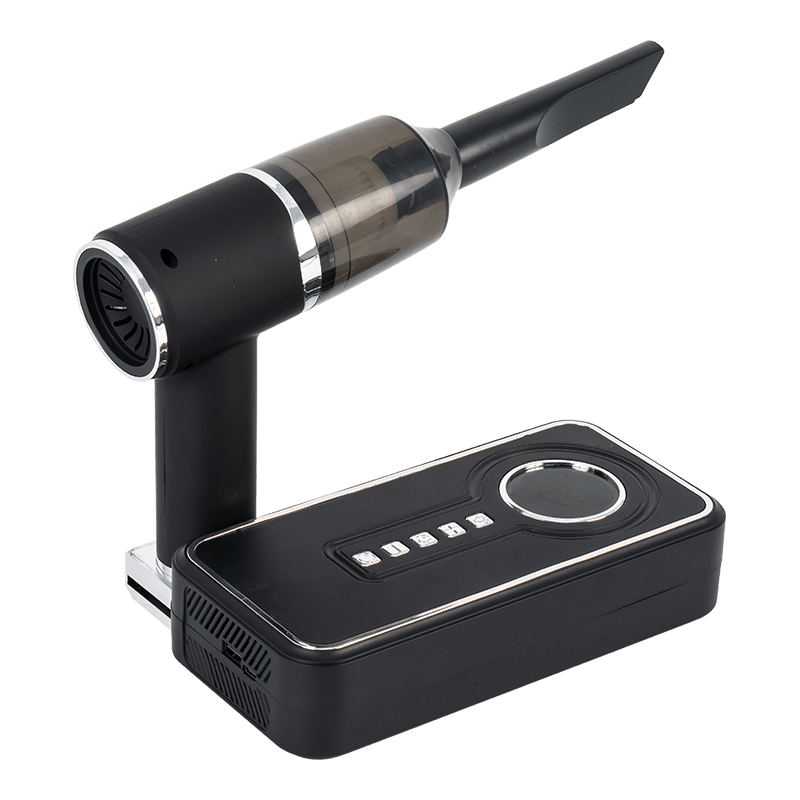 JL-005 Car-mounted air pump and vacuum cleaner combo machineThe JL-005 Car-mounted air pump and vacuum cleaner combo machine is a high-efficiency car tool that ...
The Wireless Mini Vacuum Cleaner is a lightweight, cordless vacuum cleaner designed for modern homes and portable cleaning needs. Its compact size combined with powerful suction easily handles everyday debris, dust, hair, and small particles, making cleaning more efficient and effortless. The device features a compact and lightweight design, allowing for one-handed operation, and is ideal for deep cleaning in small spaces such as desktops, sofa crevices, keyboard corners, car seats, and storage compartments. It comes with multi-functional nozzle attachments that can be flexibly switched for different scenarios, comprehensively covering various cleaning needs in homes and vehicles. The built-in high-efficiency motor and long-lasting battery provide stable and powerful suction, quickly collecting dust without leaving any residue. The removable dustbin design allows for easy and hygienic emptying with a single button, and the filter is washable and reusable, making it environmentally friendly and convenient. Low-noise operation ensures a quieter cleaning process that won't disturb your family.
About Us

Yuyao Jialiang Electrical Appliance Co., Ltd.
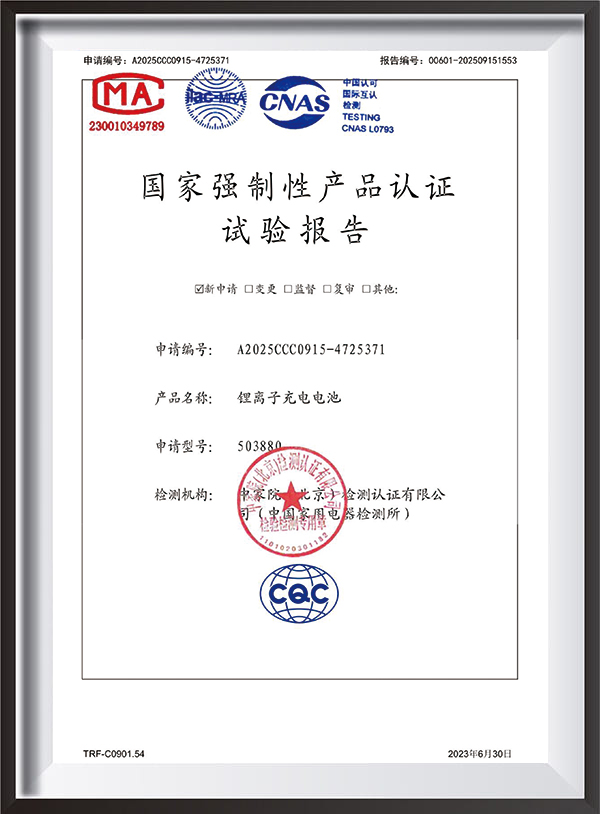
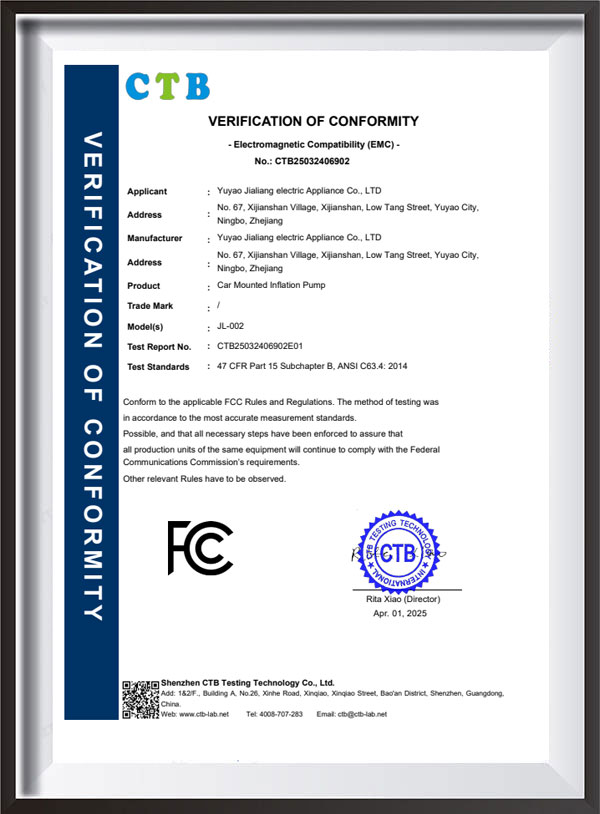
Certificate Of Honour
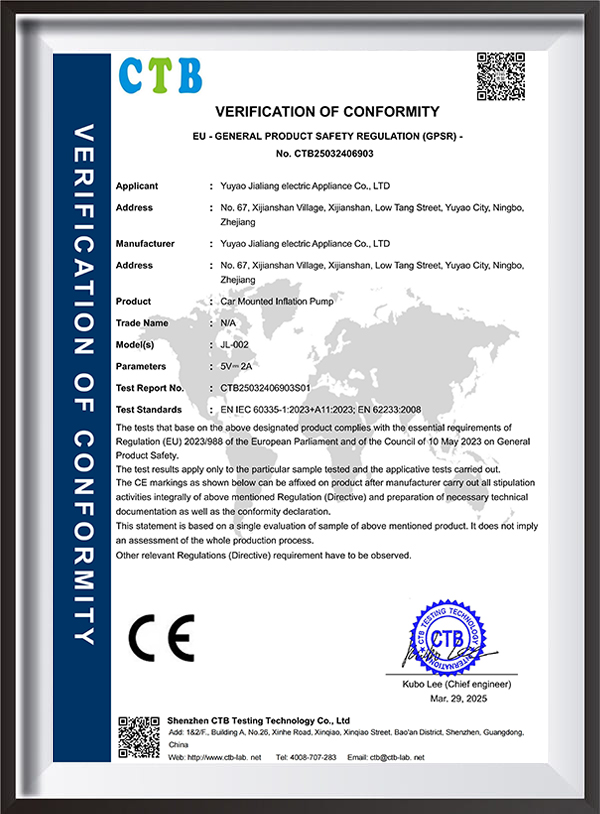
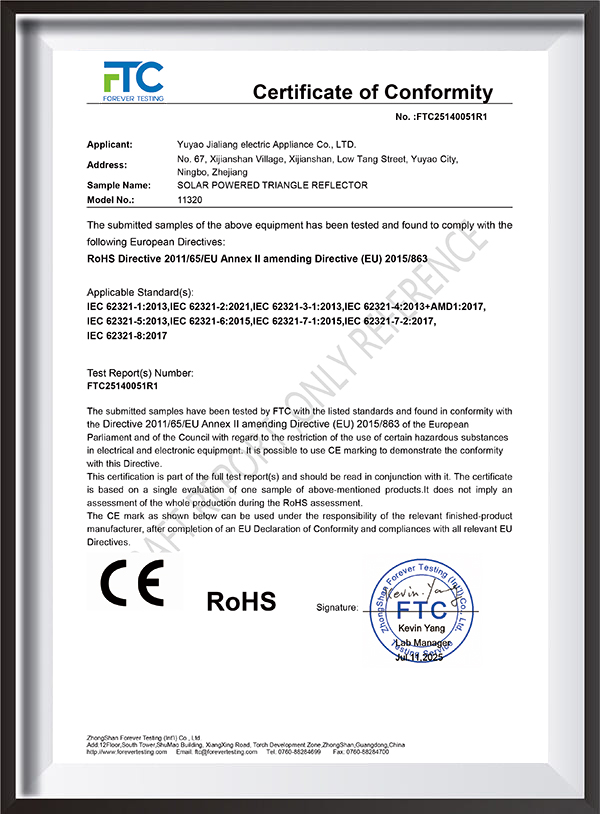
Latest News
Industry knowledge
Does the Wireless Handheld Vacuum Cleaner Feature a Low-Noise Design?
Understanding Noise Control in Wireless Handheld Vacuum Cleaners
Wireless handheld vacuum cleaners are widely used in both automotive and household environments due to their portability and ease of operation. One of the important design considerations in these products is noise control. In many cases, users operate handheld vacuums in shared living spaces, vehicles, or quiet environments, making noise level an important factor in product development. Companies such as Yuyao Jialiang Electric Appliance Co., Ltd., which focuses on automotive electrical appliances and small household appliances, integrate engineering approaches that balance suction performance with acoustic comfort.
Noise generation in vacuum cleaners mainly comes from motor rotation, airflow turbulence, and structural vibration. Therefore, achieving a lower noise output requires coordination between mechanical design, motor efficiency, and internal airflow optimization.
Motor Structure and Its Influence on Noise Levels
The motor is the core component affecting both suction power and noise output. In wireless handheld vacuum cleaners, compact high-speed motors are commonly used. These motors must be designed to maintain stable rotation while minimizing vibration. When motor balance is improved, mechanical noise can be reduced at the source.
Manufacturers often refine motor housing structures and apply internal damping materials to reduce vibration transmission. Within integrated manufacturing environments like Yuyao’s home appliance cluster, access to specialized motor components supports iterative improvements in reducing operational noise.
Airflow Design and Acoustic Optimization
Airflow pathways inside a vacuum cleaner significantly influence noise levels. When air moves through narrow or poorly structured channels, turbulence increases and generates additional sound. To address this, wireless handheld vacuum cleaners are designed with smoother internal airflow paths that help reduce resistance.
Optimized airflow design not only supports quieter operation but also contributes to stable suction performance. By balancing these two aspects, manufacturers aim to ensure that reduced noise does not compromise cleaning efficiency.
Material Selection and Structural Damping
The materials used in vacuum cleaner construction also play a role in noise control. Plastic housings with specific density and rigidity levels can help absorb vibration and reduce sound transmission. Some components may also include soft-contact interfaces that limit resonance between parts.
Yuyao Jialiang Electric Appliance Co., Ltd. benefits from integrated production capabilities in plastics and hardware components, allowing more flexible material selection during product development. This helps support consistent structural assembly and controlled vibration behavior.
Comparison of Noise-Related Design Elements
| Design Element | Noise Impact | Functional Purpose |
| Motor balancing system | Reduces vibration-based sound | Stabilizes high-speed rotation |
| Airflow channel optimization | Limits turbulence noise | Improves suction efficiency |
| Housing material density | Absorbs structural vibration | Enhances durability and stability |
| Internal sealing structure | Prevents sound leakage | Improves acoustic containment |
Wireless Design and Usage Environment Influence
Wireless handheld vacuum cleaners are often used in environments where noise perception is more noticeable, such as car interiors, offices, or residential spaces. Without a power cord restricting movement, users can operate the device closer to surfaces, which may also influence how noise is experienced.
Battery-powered systems eliminate the need for continuous power cable connection, which can indirectly reduce certain mechanical vibrations associated with corded operation. However, maintaining stable battery output is also important to ensure consistent motor speed, which helps avoid fluctuations in sound levels.
Engineering Approaches to Reduce Operational Noise
Noise reduction in handheld vacuum cleaners is achieved through a combination of mechanical precision and system-level optimization. Engineers focus on improving rotor balance, refining impeller shapes, and adjusting rotational speed curves to maintain steady airflow. These adjustments help reduce sudden changes in acoustic output during operation.
In addition, structural reinforcement is used to limit vibration transfer between internal components and external housing. This approach supports more stable operation over extended usage periods.
Application Scenarios and Noise Sensitivity
Different usage scenarios place different levels of importance on noise control. In automotive cleaning, users often operate vacuum cleaners in enclosed spaces where sound may feel amplified. In household environments, especially during early morning or late evening cleaning, quieter operation is preferred to avoid disturbance.
Wireless handheld vacuum cleaners are therefore designed with balanced performance characteristics, allowing them to be used across multiple environments without requiring separate configurations.
Manufacturing Integration and Product Consistency
The ability to maintain consistent noise levels across product batches depends on manufacturing precision and quality control systems. Companies with integrated production capabilities, such as those involved in R&D, plastic molding, and hardware assembly, can better coordinate component tolerances that influence acoustic behavior.
Yuyao’s manufacturing cluster provides access to localized supply chains and rapid production adjustments, which supports consistent product performance and stable acoustic characteristics across different models of wireless handheld vacuum cleaners.
FAQ
Q: What factors influence the performance stability of a wireless handheld vacuum cleaner?
A: Performance stability is mainly influenced by motor efficiency, airflow design, and battery output consistency. Well-coordinated engineering of these components helps maintain steady suction during different cleaning tasks in both automotive and household environments.
Q: How does battery design affect the usability of wireless handheld vacuum cleaners?
A: Battery capacity and discharge management directly impact operating time and suction consistency. Rechargeable lithium battery systems are commonly used to support flexible usage scenarios, allowing users to clean vehicles or small spaces without fixed power access.
Q: Why is airflow structure important in handheld vacuum cleaner design?
A: Airflow structure determines how efficiently dust and debris are collected while also affecting energy consumption and noise levels. Smooth internal channels help reduce resistance and support more consistent suction performance during use.
Q: How do manufacturers balance portability and suction power in wireless vacuum cleaners?
A: Manufacturers optimize motor size, impeller design, and battery output to achieve a balance between lightweight structure and sufficient suction force. This allows the device to remain easy to handle while still meeting daily cleaning requirements.
Q: What role does localized manufacturing play in product consistency?
A: Localized manufacturing clusters help streamline component sourcing and assembly processes, which supports more consistent product quality. Faster coordination between suppliers also allows quicker adjustments in production when needed.
Q: Are wireless handheld vacuum cleaners suitable for automotive cleaning tasks?
A: Yes, they are commonly used for car interiors due to their portability and ease of access to tight spaces. Their cordless design allows users to clean seats, dashboards, and floor areas without being limited by cable length.
Q: How does structural design affect durability in handheld vacuum cleaners?
A: Structural design influences how well internal components are protected during repeated use. Reinforced housings, stable motor mounts, and impact-resistant materials help maintain long-term functionality under regular operating conditions.
Q: What improvements are typically introduced through R&D in this product category?
A: R&D efforts often focus on improving suction efficiency, reducing energy consumption, and optimizing noise control. Companies like Yuyao Jialiang Electric Appliance Co., Ltd. also refine product ergonomics to better match user handling preferences in different environments.

Contact Us
LET'S START COLLABORATING
Jialiang Electrical Appliance develops high-quality automotive and household products, including inflators, vacuum cleaners, bottle warmers, and small appliances. We aim to enhance daily life with innovative, user-focused solutions.
Product
Jump Starter and Air Compressor Solar LED Reflective Warning Triangle Light Wireless Mini Vacuum Cleaner Baby Milk Shaker Foam SprayerSTAY CONNECTED
 +86 13956690933
 [email protected]
[email protected]
 No. 67, Mojian Hill, Ditang Street, Yuyao City, Ningbo City, Zhejiang Province, China.
MOBILE
Copyright © Yuyao Jialiang Electrical Appliance Co., Ltd. All Rights
Reserved
 OEM/ODM Wireless Handheld Vacuum Cleaner Factory