


 русский
  Español
  عربى
عربى As China Triangle Emergency Warning Light Manufacturers and Led Emergency Triangle Suppliers, Yuyao Jialiang Electric Appliance Co., Ltd. was established in 2022 and is located in Yuyao, Zhejiang, a "National Foreign Trade Transformation and Upgrading Base (Household Appliances)." Leveraging the region's well-developed home appliance industrial chain and mold supply advantages, the company specializes in the research and development, manufacturing, and global sales of automotive electrical appliances and small household appliances. The company's core products include automotive air pumps, car/household vacuum cleaners, and baby bottle mixers and warmers. In addition, it is involved in the production and sale of household appliances, plastic products, and hardware items, as well as import and export trading. As a small enterprise combining R&D with international trade capabilities, the company focuses on providing high-value, cost-effective products. Designed to meet daily household needs and automotive care requirements, its offerings benefit from Yuyao's home appliance cluster, which enables "localized supply and quick response," ensuring strong product quality and timely delivery. Building on Yuyao’s established foundation of home appliance exports to over 150 countries and regions worldwide, the company actively expands into international markets. It is committed to providing global customers with reliable electrical products and customized solutions, gradually establishing a differentiated competitive edge in the automotive aftermarket and maternal-infant small appliance sectors.

LED Triangle Emergency Warning Light Manufacturers
-
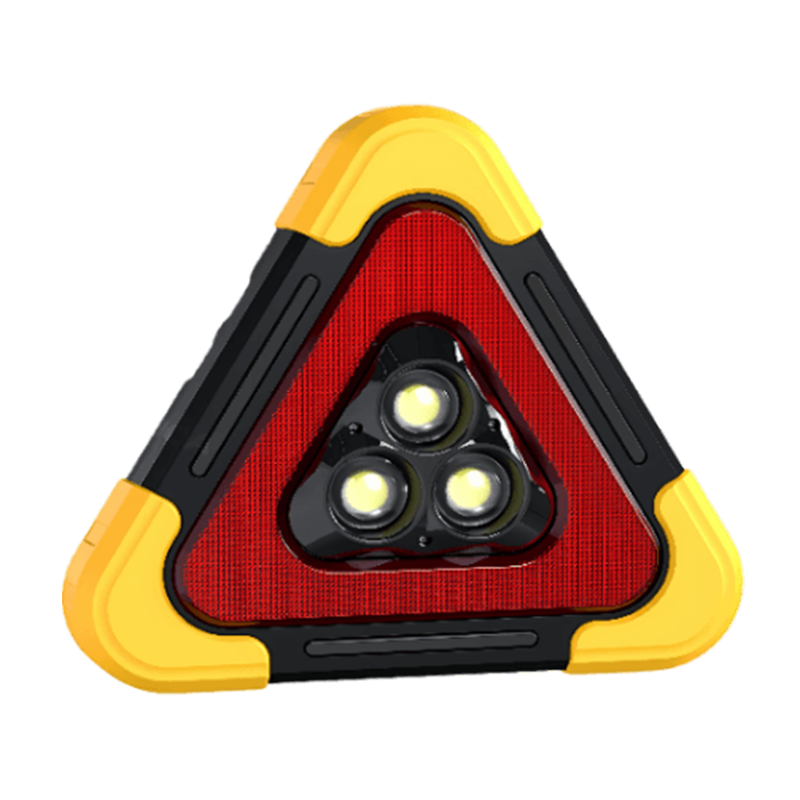 Multifunctional Solar LED Car Emergency Triangle1. COB+LED High Visibility Warning Featuring dual COB and high-intensity LED lights, our warning tri...
 -
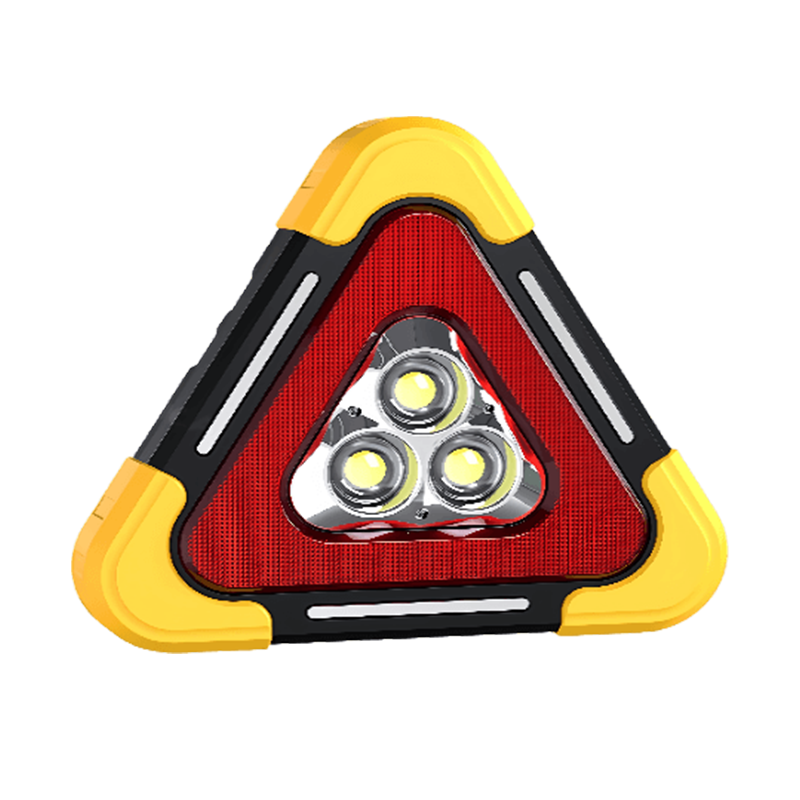 SJJ-D003 Multifunctional Solar LED Car Emergency Triangle1. COB+LED High Visibility Warning Featuring dual COB and high-intensity LED lights, our warning tri...
 -
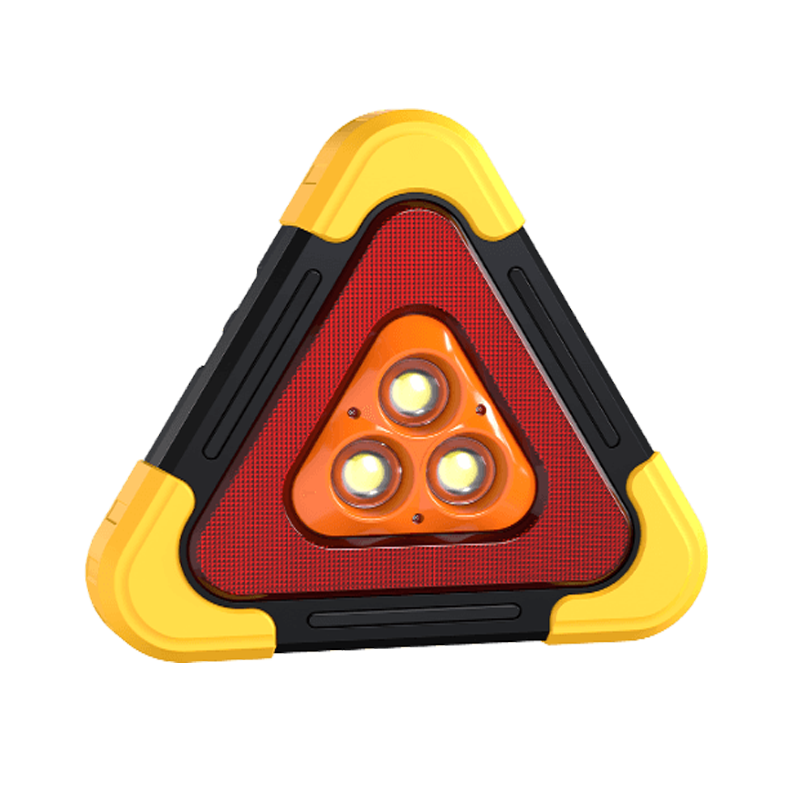 SJJ-D003 LED Solar Rechargeable Warning Triangle1. High-Visibility Active LED Warning Built with 68 high-intensity red flashing LEDs, this safety tr...
 -
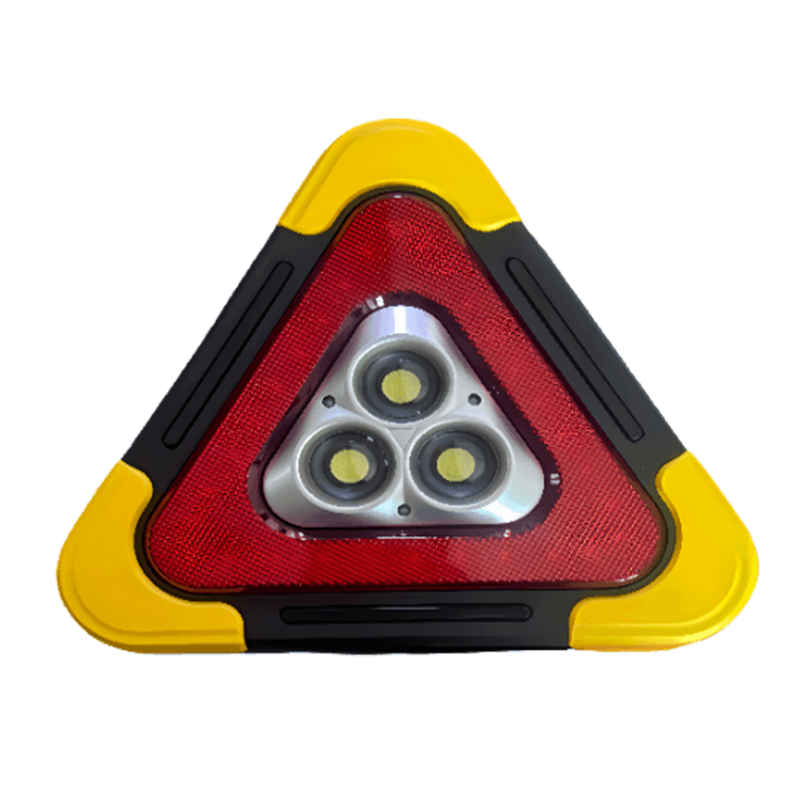 MSJJ-D003 Ultifunctional Solar LED Emergency Triangle1. Long-Distance Active Warning Equipped with 68 high-bright flashing red LEDs, this safety triangle...
The Triangle Emergency Warning Light is a highly visible warning device specifically designed for vehicle emergency safety scenarios. It features a striking triangular structure combined with high-brightness LED light sources, ensuring clear visibility even at night, in rainy or foggy weather, or in low-visibility conditions. This effectively alerts oncoming vehicles to take precautions and reduces the risk of secondary accidents, providing more reliable road safety for drivers and passengers. The product integrates warning, lighting, and emergency functions. Its high-brightness lighting has a wide coverage range and strong penetration, allowing for quick identification even from a distance, significantly enhancing the warning effect. The sturdy triangular bracket design ensures stability and prevents tipping, while the lightweight and portable body can be folded or stored in the vehicle's storage space for easy access. It is powered by a high-capacity battery or dry batteries, providing long-lasting power and ensuring continuous operation in critical situations. The durable casing is waterproof and dustproof, adapting to various complex outdoor environments.
About Us

Yuyao Jialiang Electrical Appliance Co., Ltd.
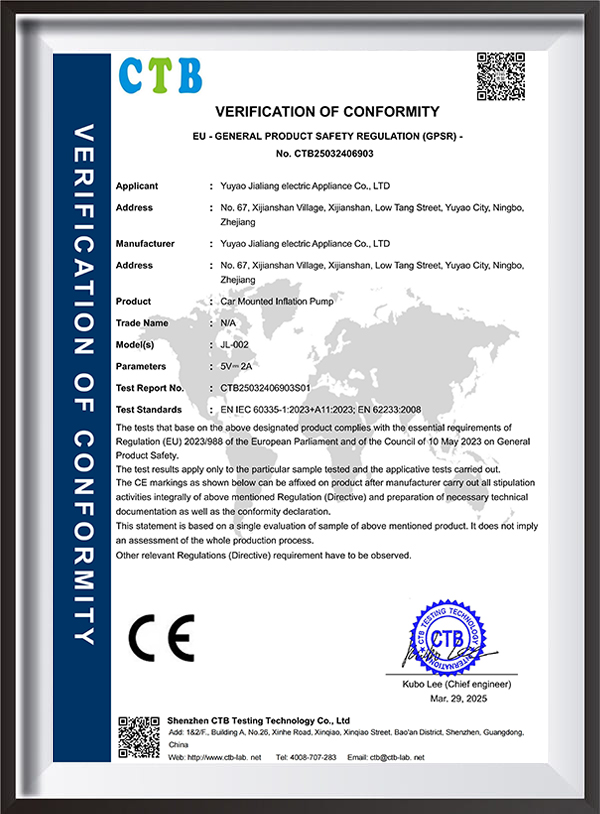
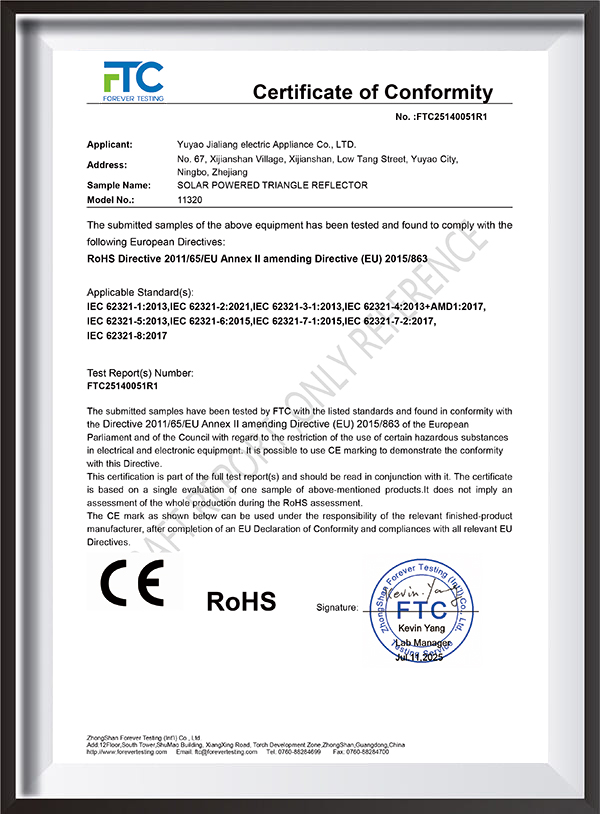
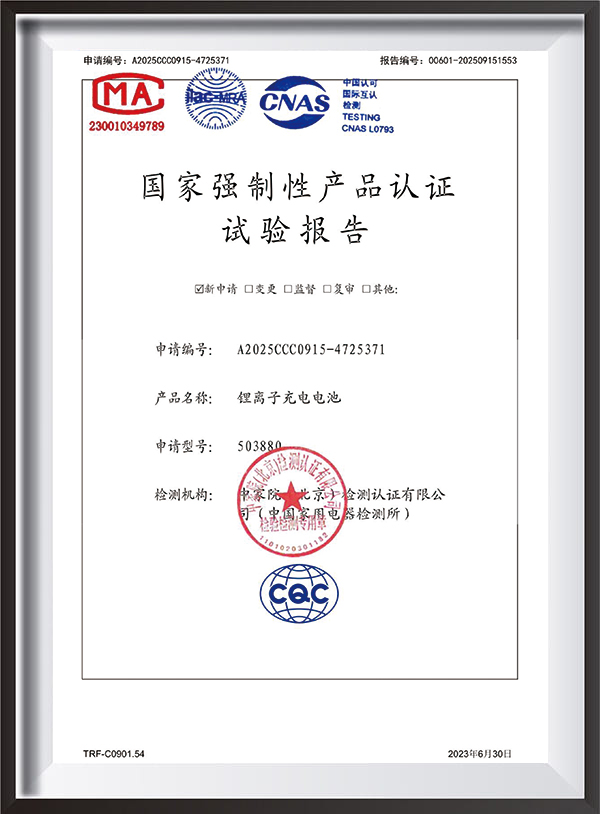
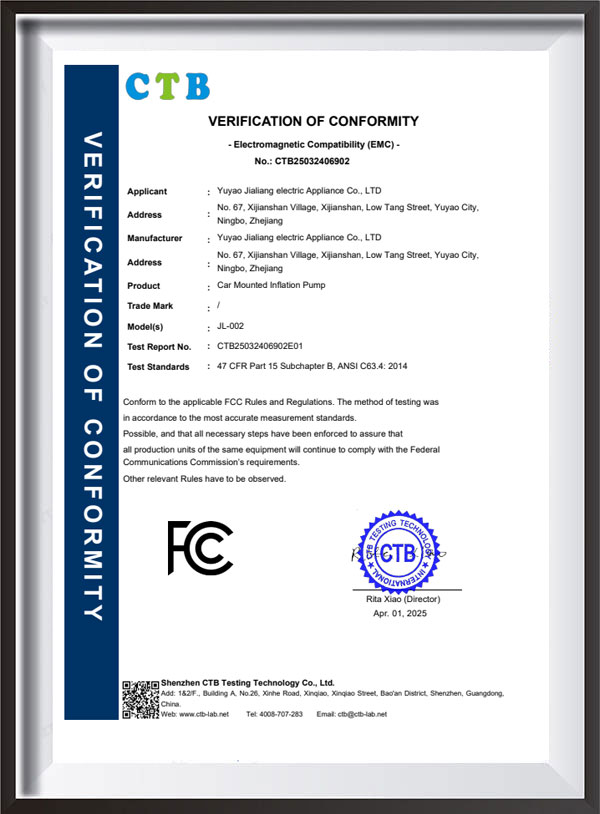
Certificate Of Honour
Latest News
Industry knowledge
What Safety Standards Must a Warning Triangle Meet in Different Markets?
Overview of Warning Triangle Regulatory Expectations
Warning triangles are essential automotive safety devices designed to alert approaching traffic during vehicle breakdowns or roadside emergencies. Although the basic function remains consistent across regions, safety standards vary depending on market regulations, reflecting differences in road conditions, visibility requirements, and compliance frameworks. Manufacturers involved in automotive electrical appliances and related safety products, such as Yuyao Jialiang Electric Appliance Co., Ltd., must consider these regulatory differences when developing or supplying automotive accessories for global markets.
As part of a broader automotive product ecosystem that includes air pumps and other emergency tools, warning triangles are often designed with adaptability in mind to support multi-market distribution and compliance flexibility.
European Union Requirements and ECE Regulation 27
In the European Union, warning triangles are generally required to comply with ECE Regulation 27, which defines structural stability, reflectivity, and visibility performance. The regulation specifies requirements for reflective surface materials, ensuring that the triangle remains visible under low-light conditions such as nighttime or fog. Stability under wind conditions is also evaluated to ensure the device remains upright on road surfaces.
Manufacturers supplying to the EU market must also consider durability under varying environmental conditions, including temperature changes and moisture exposure. These requirements influence material selection, reflective coating technology, and folding mechanism design.
United States Standards and FMVSS Considerations
In the United States, warning devices are not always standardized under a single unified federal regulation equivalent to ECE 27, but they are expected to meet general safety expectations outlined by transportation guidelines and industry practices. Reflectivity, stability, and portability are key performance factors considered by consumers and distributors.
Many products in the U.S. market are evaluated based on SAE (Society of Automotive Engineers) recommendations and general visibility performance under highway conditions. This leads manufacturers to focus on high-intensity reflective materials and compact folding structures that are easy to deploy in emergency situations.
Middle East and Emerging Market Requirements
In Middle Eastern and other emerging automotive markets, regulatory frameworks may vary, but environmental conditions strongly influence product design requirements. High temperatures, strong sunlight, and dusty environments require warning triangles to maintain structural integrity and reflective performance over time.
Manufacturers often reinforce plastic housings and improve UV resistance of reflective surfaces to ensure long-term usability. Portability is also important, as drivers may prefer compact designs that can be easily stored in vehicles without occupying significant space.
Comparison of Key Market Requirements
| Market | Main Standard Reference | Key Safety Focus |
| European Union | ECE Regulation 27 | Reflectivity, stability, weather resistance |
| United States | SAE guidelines and general safety expectations | Visibility, portability, user accessibility |
| Middle East | Regional automotive safety norms | Heat resistance, UV durability, dust protection |
| Asia-Pacific | National automotive standards vary by country | Cost efficiency, reflectivity, compact design |
Material Selection and Reflective Technology
One of the most critical aspects of warning triangle design is the selection of reflective materials. High-performance reflective surfaces ensure visibility from a distance when illuminated by vehicle headlights. Depending on the market, manufacturers may use prismatic reflective sheets or glass bead technology to achieve required brightness levels.
Plastic frames must also maintain rigidity while remaining lightweight for easy deployment. Polypropylene and ABS materials are commonly used due to their balance between durability and cost efficiency. Companies with integrated plastic production capabilities, such as Yuyao Jialiang Electric Appliance Co., Ltd., can better control material consistency during manufacturing.
Structural Stability and Deployment Performance
Stability is a key safety requirement across all markets. Warning triangles must remain upright in varying wind conditions and on uneven road surfaces. Folding mechanisms are designed to allow quick deployment while maintaining structural strength once opened.
Engineers often focus on the base design, weight distribution, and joint locking systems to ensure the triangle does not collapse easily during roadside emergencies. These structural considerations directly influence user safety in real-world conditions.
Environmental Resistance and Long-Term Durability
Warning triangles are frequently stored in vehicles for long periods before use, which means they must withstand temperature fluctuations, humidity, and UV exposure. In hotter climates, material deformation resistance becomes particularly important, while in colder regions, brittleness prevention is a key concern.
Surface coatings and UV-resistant additives are often applied to extend product lifespan. These treatments help maintain reflective performance and structural integrity even after prolonged storage inside vehicles.
Manufacturing Integration and Global Supply Adaptability
Companies engaged in automotive product manufacturing and international trade must ensure that warning triangles can meet multiple regional standards simultaneously. This requires flexible production systems capable of adjusting materials, packaging, and design specifications.
Yuyao’s home appliance and automotive accessories cluster provides advantages in localized supply and rapid production response. This allows manufacturers to adapt products quickly for different markets while maintaining consistent quality control across production batches.
FAQ
Q: What factors influence the visibility performance of emergency triangles in real road conditions?
A: Visibility performance depends mainly on reflective material quality, triangle surface design, and placement distance from oncoming traffic. High-grade reflective films help improve recognition in low-light or foggy environments.
Q: How do emergency triangle designs adapt to different climate conditions across global markets?
A: Designs are adjusted based on regional requirements such as heat resistance for desert areas, moisture resistance for humid climates, and cold resistance for low-temperature regions to maintain structural stability.
Q: Why is structural stability important when positioning an emergency triangle on the roadside?
A: Structural stability ensures the triangle remains upright under wind or vehicle airflow pressure. A stable base design reduces the risk of collapse, helping maintain continuous warning visibility for approaching vehicles.
Q: What materials are commonly used to manufacture durable emergency triangles?
A: Common materials include ABS and polypropylene for the frame due to their balance of strength and weight, while reflective surfaces typically use prismatic sheets or glass bead coatings for visibility enhancement.
Q: How do manufacturers ensure emergency triangles meet different international market requirements?
A: Manufacturers adjust product specifications such as reflectivity levels, folding structure, and material thickness to align with regional standards and safety expectations in different markets.
Q: What role does compact design play in emergency triangle usability?
A: Compact design allows the triangle to be easily stored in vehicle compartments without occupying much space, while still enabling quick deployment during roadside emergencies.
Q: How does localized manufacturing support the quality and supply of emergency triangles?
A: Localized manufacturing clusters help streamline material sourcing and production processes, enabling faster response to orders and more consistent quality control across production batches.
Q: What are the key considerations for long-term storage of emergency triangles inside vehicles?
A: Key considerations include resistance to UV exposure, temperature changes, and humidity. These factors ensure the reflective performance and structural integrity remain stable over time even when not in use.

Contact Us
LET'S START COLLABORATING
Jialiang Electrical Appliance develops high-quality automotive and household products, including inflators, vacuum cleaners, bottle warmers, and small appliances. We aim to enhance daily life with innovative, user-focused solutions.
Product
Jump Starter and Air Compressor Solar LED Reflective Warning Triangle Light Wireless Mini Vacuum Cleaner Baby Milk Shaker Foam SprayerSTAY CONNECTED
 +86 13956690933
 [email protected]
[email protected]
 No. 67, Mojian Hill, Ditang Street, Yuyao City, Ningbo City, Zhejiang Province, China.
MOBILE
Copyright © Yuyao Jialiang Electrical Appliance Co., Ltd. All Rights
Reserved
 OEM/ODM LED Triangle Emergency Warning Light Factory