


 русский
  Español
  عربى
عربى As China Wired Tire Inflator Manufacturers and Wired Car-Mounted Inflation Pump Suppliers, Yuyao Jialiang Electric Appliance Co., Ltd. was established in 2022 and is located in Yuyao, Zhejiang, a "National Foreign Trade Transformation and Upgrading Base (Household Appliances)." Leveraging the region's well-developed home appliance industrial chain and mold supply advantages, the company specializes in the research and development, manufacturing, and global sales of automotive electrical appliances and small household appliances. The company's core products include automotive air pumps, car/household vacuum cleaners, and baby bottle mixers and warmers. In addition, it is involved in the production and sale of household appliances, plastic products, and hardware items, as well as import and export trading. As a small enterprise combining R&D with international trade capabilities, the company focuses on providing high-value, cost-effective products. Designed to meet daily household needs and automotive care requirements, its offerings benefit from Yuyao's home appliance cluster, which enables "localized supply and quick response," ensuring strong product quality and timely delivery. Building on Yuyao’s established foundation of home appliance exports to over 150 countries and regions worldwide, the company actively expands into international markets. It is committed to providing global customers with reliable electrical products and customized solutions, gradually establishing a differentiated competitive edge in the automotive aftermarket and maternal-infant small appliance sectors.

Wired Tire Inflator Manufacturers
-
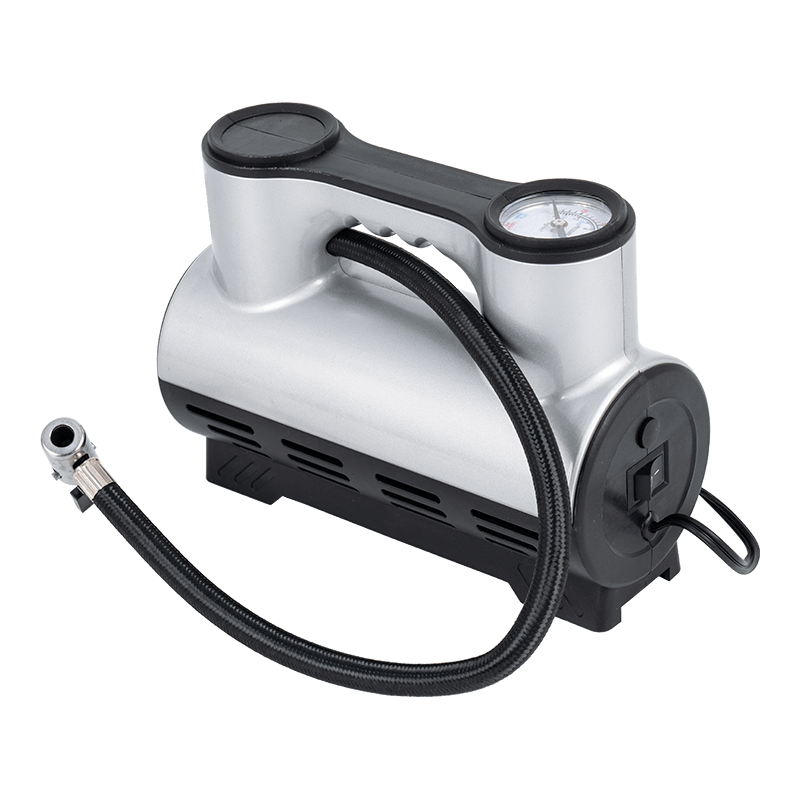 CXF-211 Car Air Pump with PointerThe CXF-211 Car Air Pump with Pointer is a high-efficiency, durable car air pump designed specifical...
 -
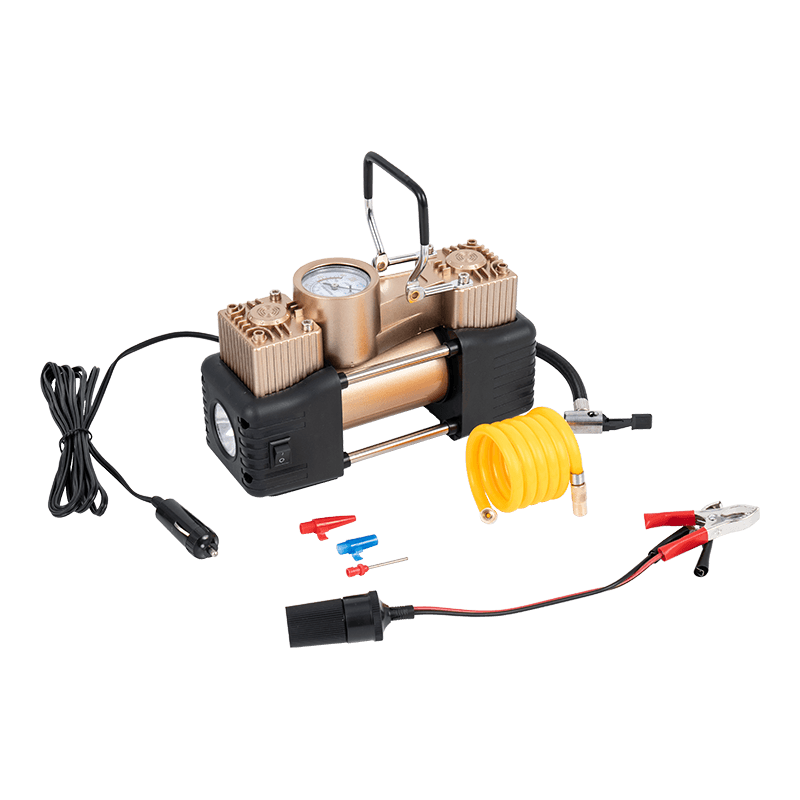 CXF-213 Air Pump with Gold PointerThe CXF-213 Air Pump with Gold Pointer is a high-efficiency, rugged, and beautifully designed car in...
 -
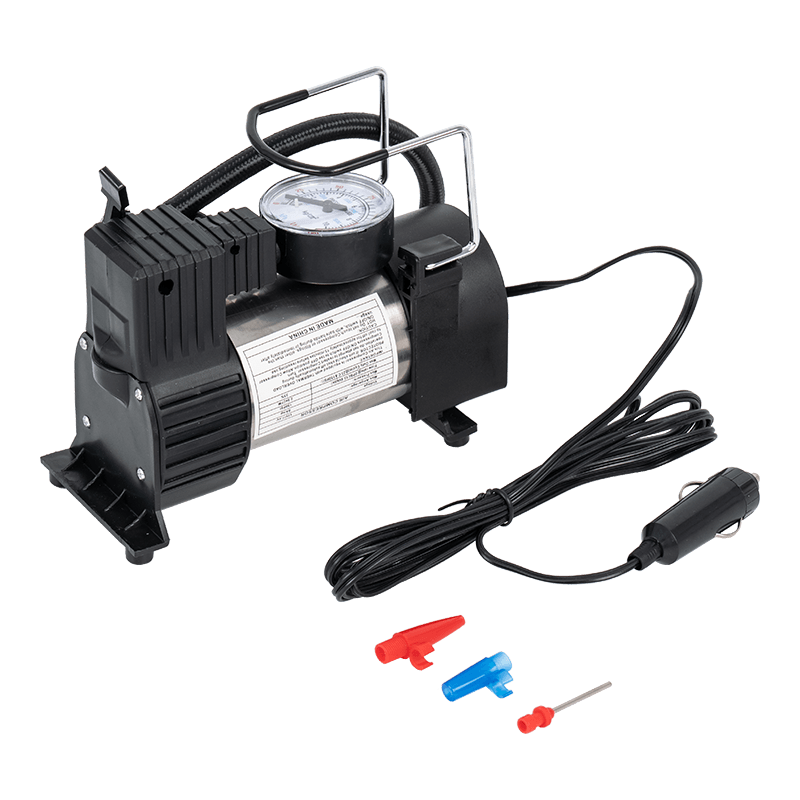 CXF-214 Onboard air pump with pointerThe CXF-214 Onboard Air Pump with Pointer is a high-efficiency and convenient car air pump suitable ...
 -
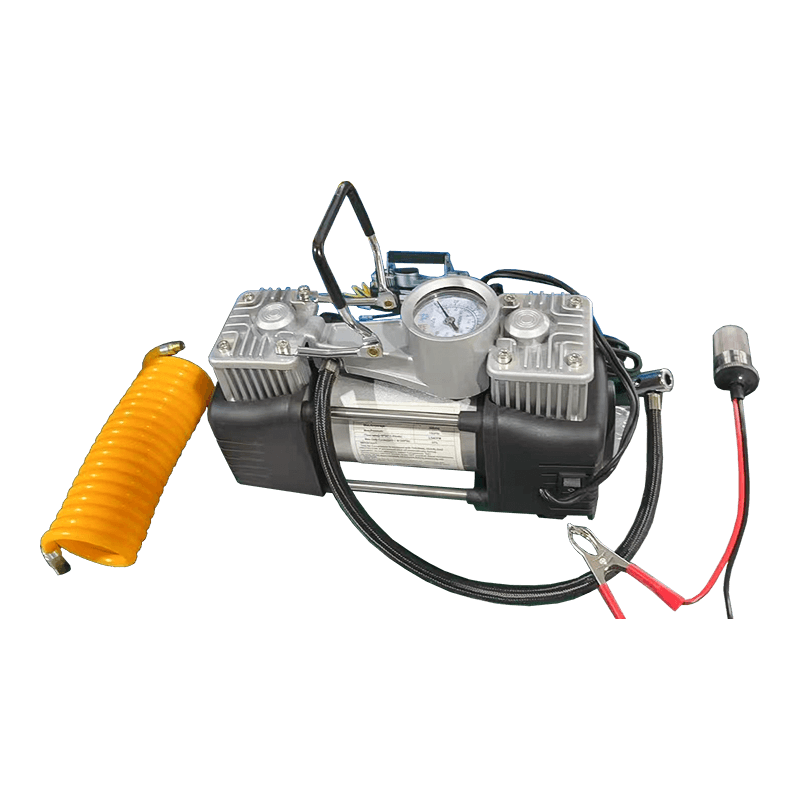 Car air pump with pointer single bar 19 cylinder color box packagingThis car air pump with pointer, single bar, 19 cylinder, and color box packaging is a high-efficienc...
 -
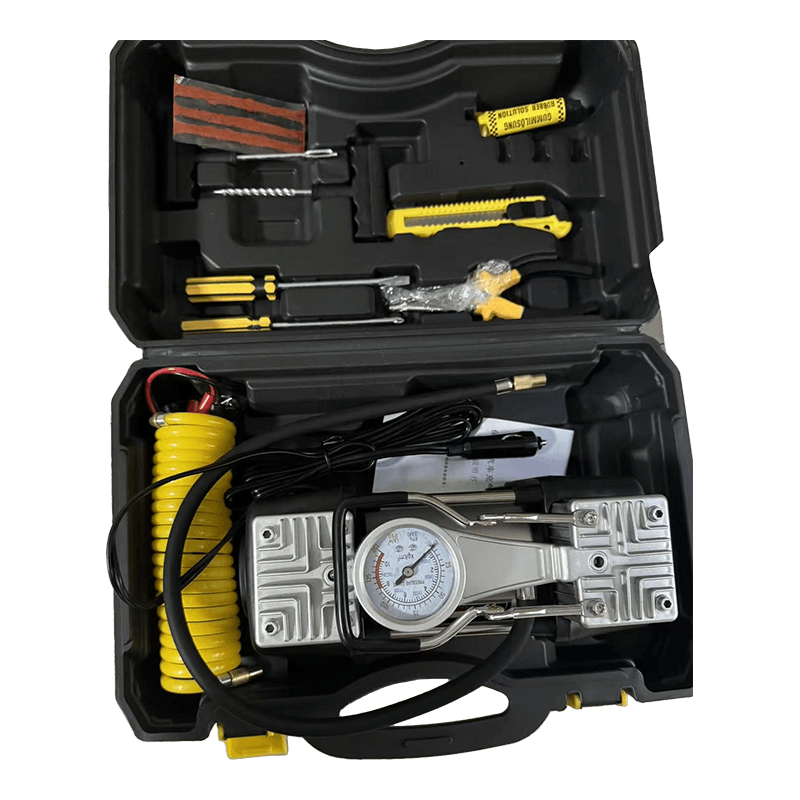 Car air pump with pointer single bar 19-cylinder toolbox packagingThis car air pump with pointer, single bar, and 19-cylinder toolbox packaging is a high-efficiency, ...
 -
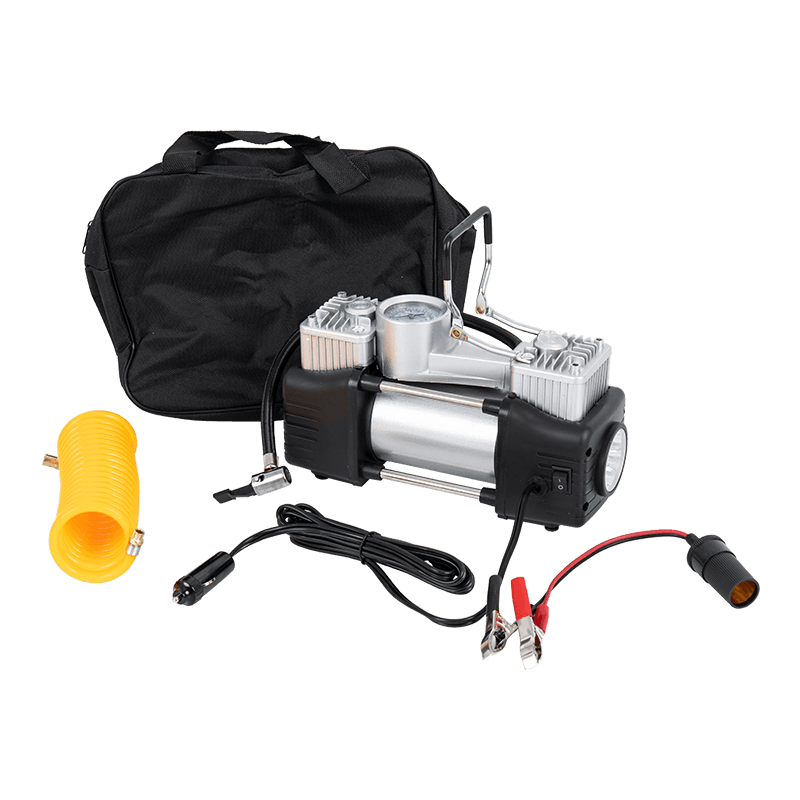 Car air pump single bar 30-cylinder color box packagingThis car air pump, single bar, 30-cylinder, color box packaging, is a powerful and high-performance ...
 -
Car air pump single bar 30-cylinder toolbox packagingThe Car Air Pump Single Bar 30-Cylinder is a well-designed and powerful car air pump designed to pro...
The Wired Car-Mounted Inflation Pump is a high-efficiency inflation device designed for daily vehicle maintenance and emergency tire inflation needs. It uses a direct power connection via the car's cigarette lighter/power outlet, providing stable and long-lasting power without worrying about insufficient battery life. It's plug-and-play, offering reliable continuous output, making it a reassuring choice for long-distance travel and emergency situations. The product features a high-performance air pump motor and a powerful air pressure system, providing fast and efficient inflation to quickly bring car tires to standard pressure, effectively reducing the risk of tire blowouts, improving driving stability, and reducing fuel consumption and tire wear. Equipped with a digital display and intelligent tire pressure monitoring function, it supports real-time readings and preset tire pressure, automatically shutting off when the set value is reached, ensuring simple and precise operation. The compact and portable design allows for easy storage in the trunk or storage compartment, saving space; the extra-long power cord covers all four wheels of the vehicle, providing greater flexibility.
About Us

Yuyao Jialiang Electrical Appliance Co., Ltd.
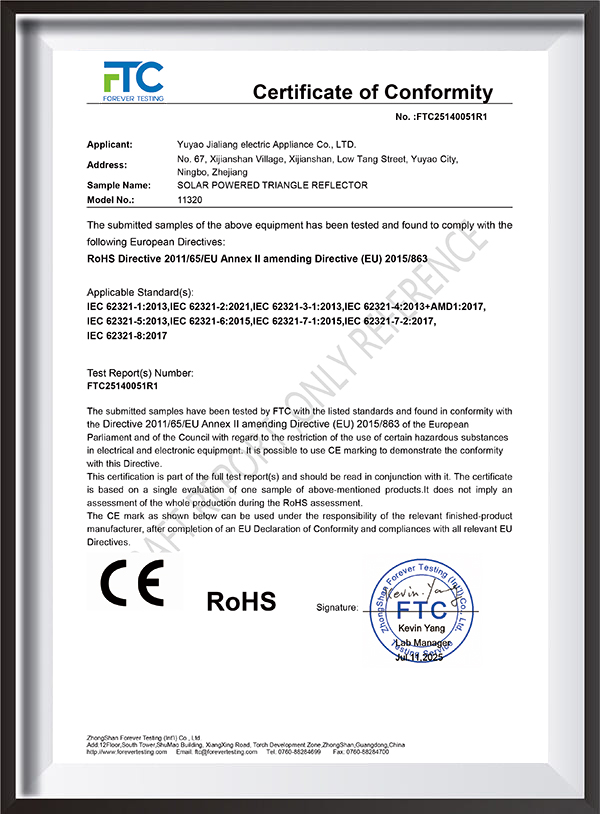
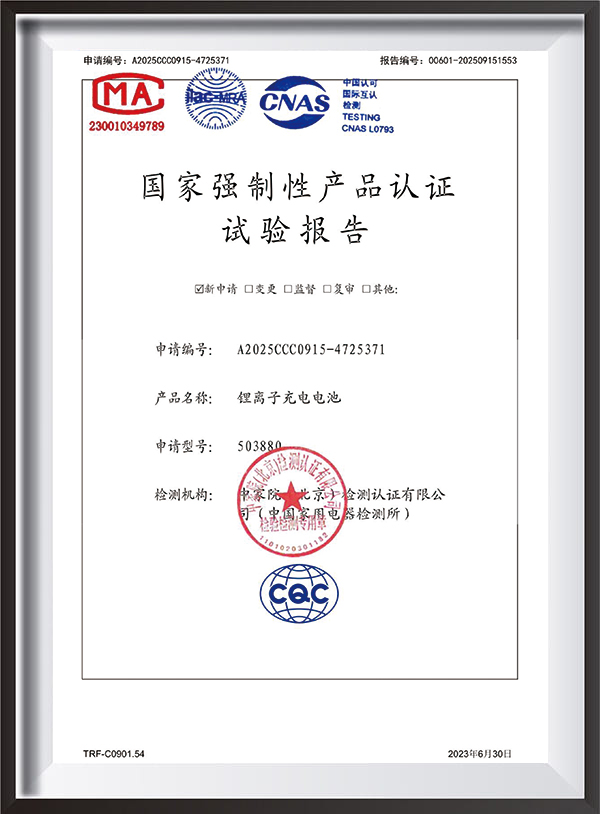
Certificate Of Honour


Latest News
Industry knowledge
What Safety Protection Features Does the Wired Car-Mounted Inflation Pump Have?
Overview of Safety Design in Wired Car-Mounted Inflation Pumps
Wired car-mounted inflation pumps are widely used in automotive maintenance due to their stable power supply and continuous operation capability. These devices are typically powered through a vehicle’s 12V socket, allowing users to inflate tires without relying on internal batteries. Companies such as Yuyao Jialiang Electric Appliance Co., Ltd., which focuses on automotive electrical appliances and small household products, integrate multiple safety protection mechanisms into these pumps to ensure stable and controlled operation.
Safety features in these devices are not limited to a single component but are distributed across electrical systems, mechanical structures, and thermal control designs to support safe usage in both daily and emergency scenarios.
Overpressure Protection and Automatic Cut-Off Control
One of the most important safety mechanisms in a wired car-mounted inflation pump is overpressure protection. This function prevents excessive inflation by automatically stopping the pump when the preset pressure level is reached. It reduces the risk of tire over-inflation, which can affect tire structure and driving stability.
Digital control systems or mechanical pressure switches are commonly used to achieve this function. When integrated with precise sensors, the system continuously monitors internal air pressure and adjusts operation in real time to maintain controlled inflation.
Thermal Protection and Motor Temperature Regulation
During continuous operation, the motor inside an inflation pump generates heat due to mechanical friction and electrical load. To prevent overheating, thermal protection systems are included in the design. These systems monitor internal temperature and automatically shut down or reduce operation when a defined threshold is reached.
This function helps protect internal components and extends operational stability during long inflation tasks. Ventilation structures and heat-dissipating materials are also used to support thermal balance within the device housing.
Electrical Safety and Circuit Protection Systems
Since wired inflation pumps are powered directly through a vehicle’s electrical system, circuit protection plays a critical role in preventing electrical faults. Common safety features include overcurrent protection, short-circuit prevention, and voltage regulation systems.
These mechanisms help stabilize input power and prevent damage caused by voltage fluctuations or incorrect vehicle connections. Fuse systems are often integrated into the power cable to provide an additional layer of protection.
Comparison of Key Safety Features in Wired Inflation Pumps
| Safety Feature | Function | Protection Outcome |
| Overpressure cut-off | Stops inflation at preset pressure | Prevents tire over-inflation |
| Thermal shutdown system | Monitors motor temperature | Reduces overheating risk |
| Overcurrent protection | Controls electrical input flow | Protects internal circuitry |
| Fuse protection | Interrupts abnormal current | Prevents electrical damage |
| Voltage regulation | Stabilizes input power | Ensures consistent operation |
Mechanical Structure and Stability Protection
The mechanical structure of wired car-mounted inflation pumps also contributes to operational safety. Stable housing design reduces vibration during motor operation, helping maintain consistent airflow and reducing internal wear. Anti-slip base structures are often included to prevent movement during use.
Air hose connections are designed with reinforced sealing components to reduce leakage risk. This ensures that pressure delivery remains stable and reduces unnecessary strain on the motor system.
Hose and Connector Safety Design
Air hoses and connectors are critical points in inflation systems. Poor sealing or weak connectors can lead to pressure loss or sudden disconnection during operation. To address this, manufacturers use reinforced rubber materials and locking mechanisms to secure connections.
These designs help maintain stable air delivery while reducing the likelihood of accidental detachment during inflation. In some designs, quick-lock systems are used to simplify connection while maintaining structural reliability.
Noise and Vibration Control as Indirect Safety Factors
Although noise and vibration are often considered comfort-related factors, they also play a role in operational safety. Excessive vibration may indicate mechanical imbalance or improper installation. To reduce this risk, motor balancing and internal damping structures are integrated into the design.
By controlling vibration levels, the device maintains more stable performance and reduces stress on internal components during extended use.
Environmental Adaptability and Safe Operation Conditions
Wired car-mounted inflation pumps are designed to operate under a range of environmental conditions, including temperature fluctuations and humidity exposure inside vehicles. Material selection plays an important role in maintaining safe operation under these conditions.
Heat-resistant plastics and corrosion-resistant metal components help ensure structural stability over time. This is particularly important for devices stored in vehicle trunks or exposed to seasonal climate variations.
Manufacturing Integration and Quality Control Systems
Safety performance is closely related to manufacturing consistency. Companies with integrated production capabilities, such as Yuyao Jialiang Electric Appliance Co., Ltd., coordinate R&D, plastic molding, and hardware assembly processes to maintain controlled quality standards.
Localized supply chains in industrial clusters like Yuyao support faster production adjustments and consistent component sourcing. This helps ensure that safety features such as pressure sensors, thermal protection modules, and circuit systems perform reliably across different production batches.
FAQ
Q: What factors influence the inflation efficiency of a wired tire inflator?
A: Inflation efficiency is mainly affected by motor power, airflow channel design, and power stability from the vehicle’s 12V socket. A well-optimized system helps maintain steady air output during continuous operation.
Q: How does continuous power supply benefit a wired tire inflator compared to battery-powered models?
A: A wired tire inflator draws power directly from the vehicle, allowing uninterrupted operation without battery limitations. This makes it suitable for extended inflation tasks or multiple tire adjustments in one session.
Q: What role does pressure monitoring play in a wired tire inflator?
A: Pressure monitoring ensures that users can track real-time tire inflation levels. Digital or mechanical gauges help reduce the risk of over-inflation by providing accurate feedback during operation.
Q: How do manufacturers improve durability in wired tire inflators?
A: Durability is improved through reinforced housing materials, stable motor structures, and heat-resistant internal components. These design choices help maintain consistent performance during repeated use.
Q: Can a wired tire inflator be used for different vehicle types?
A: Yes, most wired tire inflators are compatible with cars, SUVs, motorcycles, and bicycles. Adjustable pressure settings allow users to match different tire requirements safely and effectively.
Q: What safety mechanisms are commonly included in wired tire inflators?
A: Common safety features include overpressure cut-off, thermal protection, and fuse-based electrical protection. These systems help prevent damage to both the device and the vehicle during use.
Q: How does temperature affect the performance of a wired tire inflator?
A: Temperature can influence motor efficiency and air density, which may slightly affect inflation speed and pressure readings. Stable design and thermal control systems help reduce these variations.
Q: Why is localized manufacturing important for wired tire inflator production?
A: Localized manufacturing supports faster supply chain coordination, stable component sourcing, and consistent quality control. This allows manufacturers to respond efficiently to different market demands.

Contact Us
LET'S START COLLABORATING
Jialiang Electrical Appliance develops high-quality automotive and household products, including inflators, vacuum cleaners, bottle warmers, and small appliances. We aim to enhance daily life with innovative, user-focused solutions.
Product
Jump Starter and Air Compressor Solar LED Reflective Warning Triangle Light Wireless Mini Vacuum Cleaner Baby Milk Shaker Foam SprayerSTAY CONNECTED
 +86 13956690933
 [email protected]
[email protected]
 No. 67, Mojian Hill, Ditang Street, Yuyao City, Ningbo City, Zhejiang Province, China.
MOBILE
Copyright © Yuyao Jialiang Electrical Appliance Co., Ltd. All Rights
Reserved
 Custom Wired Tire Inflator Suppliers