


 русский
  Español
  عربى
عربى As China Wireless Car-mounted Inflation Pump Manufacturers and Cordless Air Tire Inflator Suppliers, Yuyao Jialiang Electric Appliance Co., Ltd. was established in 2022 and is located in Yuyao, Zhejiang, a "National Foreign Trade Transformation and Upgrading Base (Household Appliances)." Leveraging the region's well-developed home appliance industrial chain and mold supply advantages, the company specializes in the research and development, manufacturing, and global sales of automotive electrical appliances and small household appliances. The company's core products include automotive air pumps, car/household vacuum cleaners, and baby bottle mixers and warmers. In addition, it is involved in the production and sale of household appliances, plastic products, and hardware items, as well as import and export trading. As a small enterprise combining R&D with international trade capabilities, the company focuses on providing high-value, cost-effective products. Designed to meet daily household needs and automotive care requirements, its offerings benefit from Yuyao's home appliance cluster, which enables "localized supply and quick response," ensuring strong product quality and timely delivery. Building on Yuyao’s established foundation of home appliance exports to over 150 countries and regions worldwide, the company actively expands into international markets. It is committed to providing global customers with reliable electrical products and customized solutions, gradually establishing a differentiated competitive edge in the automotive aftermarket and maternal-infant small appliance sectors.

Wireless Car-Mounted Inflation Pump Manufacturers
-
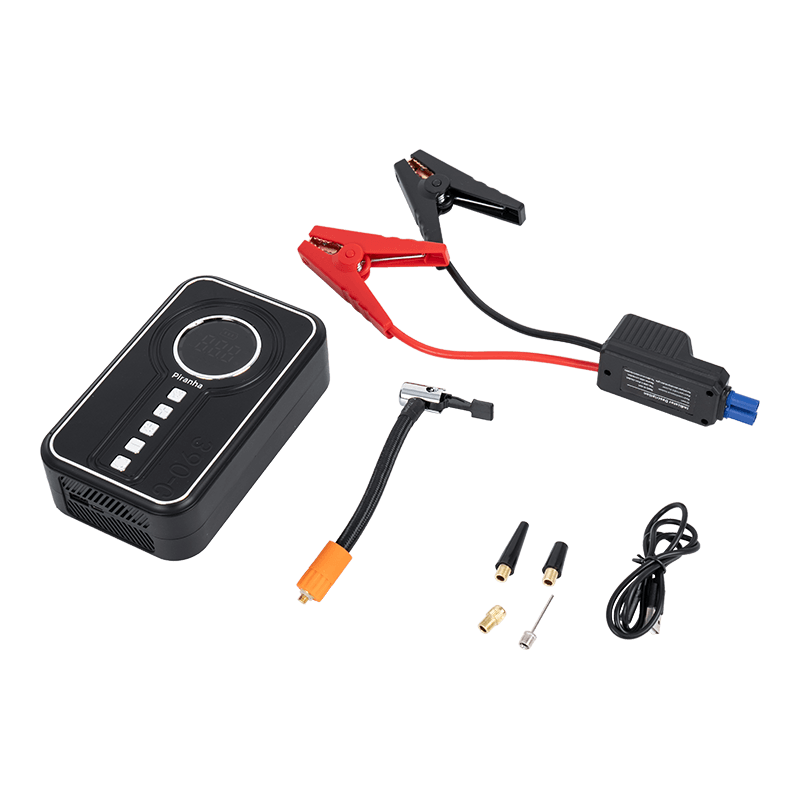 JL-002 Black Air Jump Starter with Air Compressor and Tire Pressure Gauge Digital 0-150PSI• HIGH PERFORMANCE, START DEAD BATTERIES: Safely jumpstart a dead battery in seconds with this compa...
 -
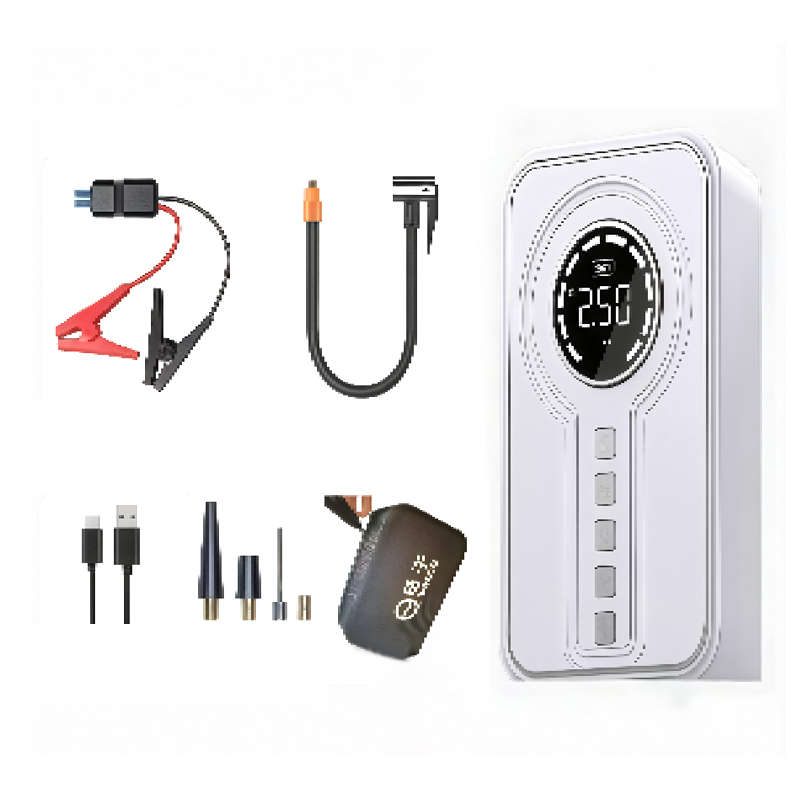 JL-002 White Compact 2-in-1 Emergency Jump Starter & Tire Inflator, High Precision 150PSI Tire Pressure Gauge for All Vehicle Types• Powerful Lithium Jump Start Function No more waiting around for roadside service when your vehicle...
 -
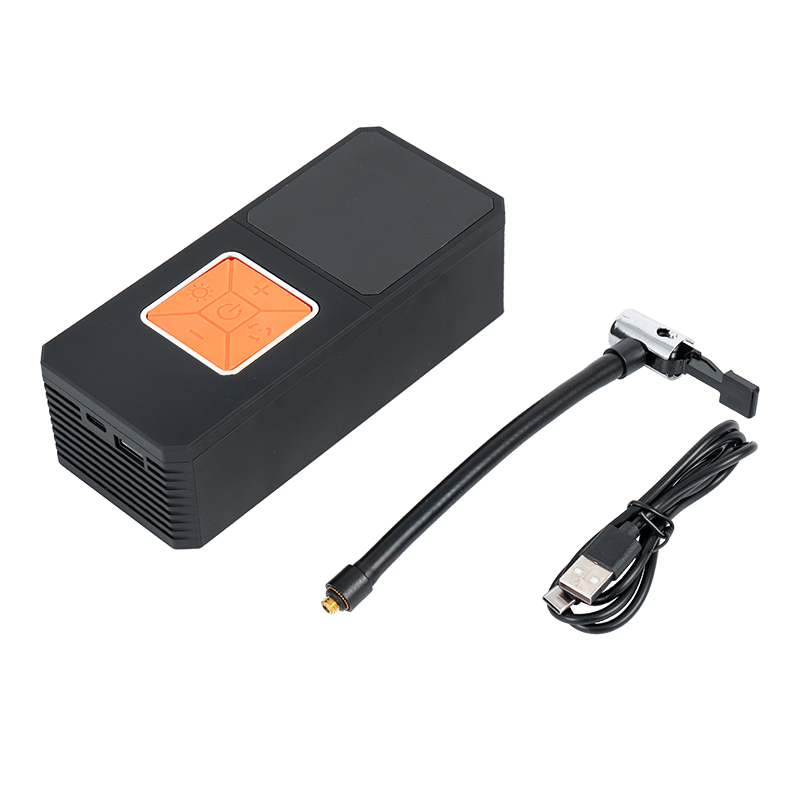 JL-004 Black Wireless Mini Air PumpThe JL-004 Black Wireless Mini Air Pump is a convenient and efficient inflator. Its compact design (...
 -
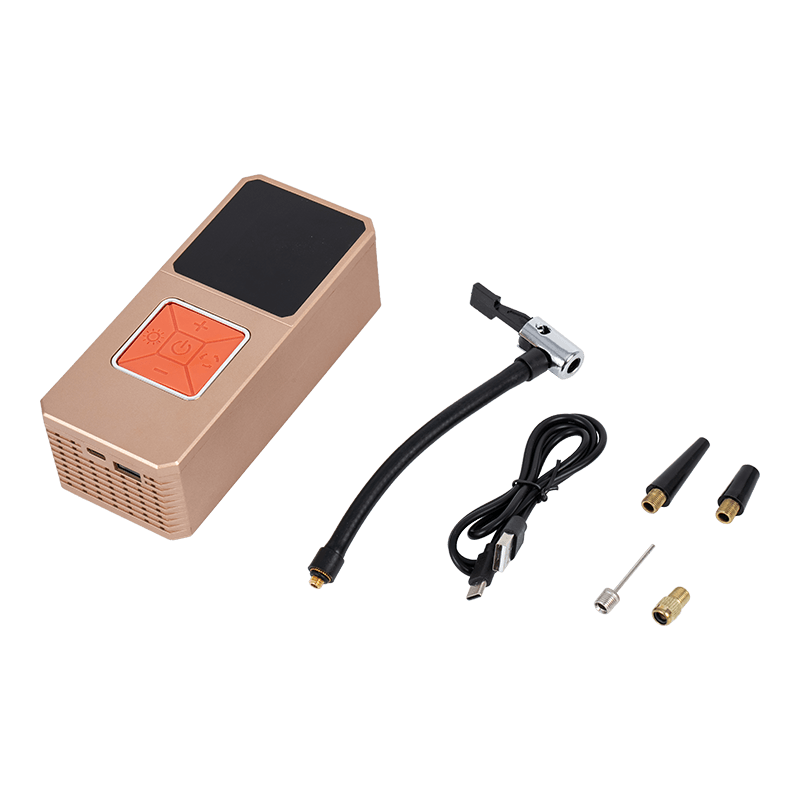 JL-004 Gold Wireless Mini Air PumpThe JL-004 Gold Wireless Mini Air Pump is a compact yet powerful inflator suitable for car owners, s...
The Wireless Car-Mounted Inflation Pump is a portable, smart inflation device designed for modern car owners. Free from the constraints of power cords, its built-in high-capacity lithium battery allows for independent use without needing an external cigarette lighter or power outlet, making tire inflation more convenient and flexible. Whether in parking lots, during roadside emergencies, on outdoor road trips, or for routine maintenance, it provides quick and reliable tire inflation anytime, anywhere, ensuring safer travel. Equipped with a high-performance air pump motor and a stable pressure output system, it offers fast and efficient inflation, quickly replenishing tire pressure, effectively reducing the risk of blowouts, decreasing fuel consumption, and extending tire lifespan. Featuring a high-definition digital display and intelligent tire pressure detection function, it supports preset tire pressure values and automatically stops when the set pressure is reached, providing precise and worry-free pressure control, making it easy for even novice users.
About Us

Yuyao Jialiang Electrical Appliance Co., Ltd.
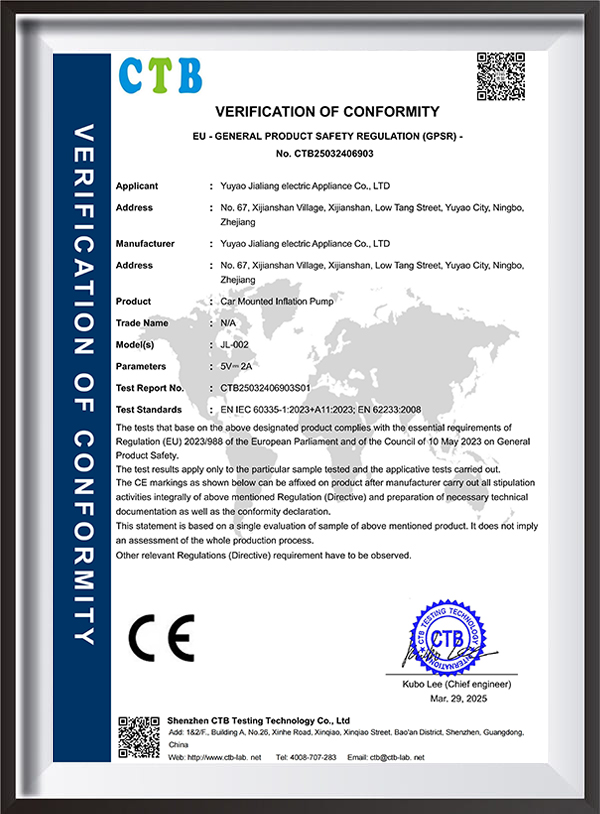
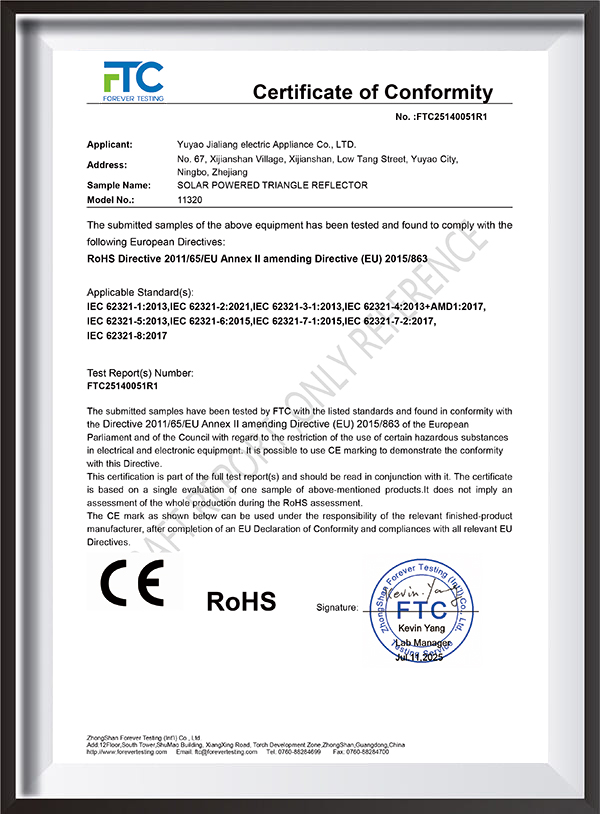
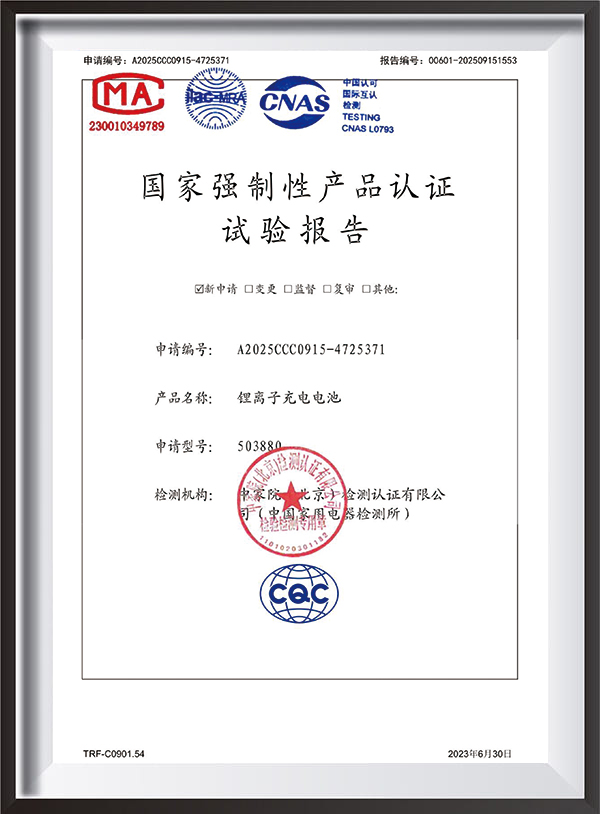
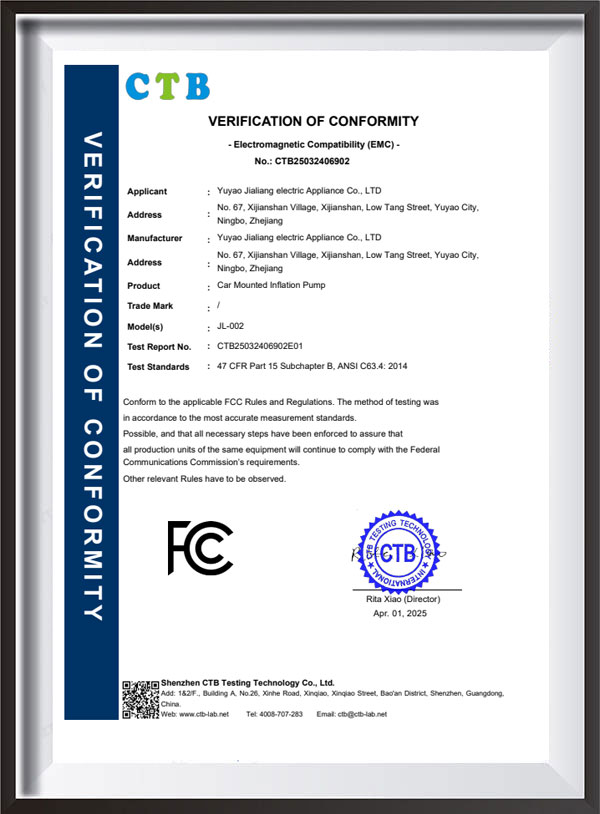
Certificate Of Honour
Latest News
Industry knowledge
Is the Wireless Car-Mounted Inflation Pump Suitable for High- and Low-Temperature Environments?
Understanding Environmental Challenges for Wireless Inflation Pumps
Wireless car-mounted inflation pumps are widely used in automotive maintenance because of their portability and ease of operation. These devices are designed to inflate tires, bicycles, and other inflatable equipment without requiring a direct power connection. Companies such as Yuyao Jialiang Electric Appliance Co., Ltd., which focuses on automotive electrical appliances and small household devices, develop inflation products with attention to real-world environmental adaptability.
One of the key performance considerations for these pumps is how they function under different temperature conditions. High and low temperatures can influence battery efficiency, motor output, air density, and material stability, all of which affect operational reliability.
Impact of High-Temperature Environments on Performance
In high-temperature environments, wireless inflation pumps may experience changes in battery behavior and internal component stress. Elevated temperatures can increase battery discharge rates, which may reduce continuous working time. At the same time, motor components may operate under higher thermal loads, requiring effective heat dissipation design.
Housing materials must also withstand prolonged exposure to heat, especially when devices are stored inside vehicles parked under direct sunlight. Plastic deformation resistance and thermal stability become important design considerations to maintain structural integrity.
Performance Behavior in Low-Temperature Conditions
In low-temperature environments, battery efficiency is typically reduced, which can lead to slower power output and shorter operating duration. Lithium battery chemistry is sensitive to cold conditions, and this can influence the ability of the pump to reach target inflation pressure within expected timeframes.
Air density also changes in colder environments, which can slightly affect pressure readings and inflation behavior. Manufacturers often account for these variations by optimizing sensor calibration and system response algorithms.
Comparison of Temperature Effects on Key Components
| Component | High Temperature Effect | Low Temperature Effect |
| Battery system | Faster discharge and heat stress | Reduced efficiency and slower output |
| Motor unit | Increased thermal load | Slower initial response in extreme cold |
| Plastic housing | Softening risk under prolonged heat | Increased rigidity and potential brittleness |
| Pressure sensor | Slight calibration drift possible | Minor reading variation due to air density |
Design Strategies for Temperature Adaptability
To ensure stable operation across different environments, wireless car-mounted inflation pumps are designed with multiple protective and adaptive features. Thermal management systems are integrated into motor housings to reduce overheating risks. Ventilation structures and heat-resistant materials are commonly used to support continuous operation under high ambient temperatures.
For low-temperature performance, manufacturers focus on battery insulation and energy efficiency optimization. Some designs incorporate low-temperature discharge support systems that help maintain more stable output when the device is used in cold weather conditions.
Role of Battery Technology in Environmental Performance
Battery technology is one of the most critical factors influencing environmental adaptability. Lithium-ion batteries are widely used due to their balance of energy density and weight. However, their performance naturally varies with temperature changes.
Manufacturers working in integrated production environments, such as Yuyao’s appliance cluster, can refine battery-pack assembly processes and insulation materials to improve stability. This helps ensure that inflation pumps maintain functional reliability across seasonal changes and diverse geographic markets.
Material Selection and Structural Durability
The external housing and internal structural components must withstand repeated exposure to temperature fluctuations. High-strength ABS and reinforced polymers are commonly used due to their balance between durability and processing flexibility. These materials help reduce deformation risk in high heat and cracking risk in cold conditions.
Hardware components, including connectors and air hoses, are also selected based on their resistance to thermal expansion and contraction. This ensures that sealing performance remains stable during inflation tasks.
Usage Scenarios in Different Climates
Wireless car-mounted inflation pumps are used in a wide range of environments, from hot desert regions to cold mountainous areas. In urban settings, they are often stored inside vehicles exposed to daily temperature fluctuations. In rural or outdoor environments, they may be used in more extreme conditions where environmental control is limited.
In hot climates, users may prioritize heat-resistant storage and short-duration operation. In cold climates, users may focus on pre-warming strategies such as keeping the device inside the vehicle cabin before use to stabilize battery output.
Manufacturing Integration and Global Adaptability
Companies that combine R&D, manufacturing, and international trade capabilities are better positioned to adapt products for multiple climate zones. Yuyao Jialiang Electric Appliance Co., Ltd. benefits from localized supply chains that support rapid adjustments in materials, battery configurations, and structural design.
This integrated production approach allows wireless inflation pumps to be tailored for different regional requirements, ensuring that performance remains stable across varying temperature environments while meeting diverse automotive usage needs.
FAQ
Q: How does battery capacity influence the working time of a wireless car-mounted inflation pump?
A: Battery capacity directly determines how long the pump can operate continuously. A higher-capacity battery supports longer inflation cycles, while lower capacity may require more frequent recharging, especially when inflating multiple tires.
Q: What factors affect inflation accuracy in a wireless car-mounted inflation pump?
A: Inflation accuracy is influenced by pressure sensor calibration, motor stability, and airflow consistency. Stable electronic control systems help reduce deviations between preset and actual tire pressure values.
Q: Can a wireless car-mounted inflation pump be used for different types of tires?
A: Yes, most models are designed to support a range of tire types including cars, SUVs, bicycles, and small motorcycles. Adjustable pressure settings allow users to match specific inflation requirements.
Q: How does motor design impact the performance of a wireless inflation pump?
A: Motor design affects both inflation speed and energy efficiency. A well-balanced motor structure reduces vibration and helps maintain steady airflow during operation, which contributes to more consistent performance.
Q: What role does product design play in portability for emergency use?
A: Compact structure and lightweight materials make the device easier to store inside a vehicle and carry when needed. This supports quick deployment during roadside tire pressure emergencies.
Q: How do manufacturers improve durability in wireless car-mounted inflation pumps?
A: Durability is improved through reinforced housing materials, optimized internal component layout, and quality-controlled assembly processes. These measures help maintain stable performance under repeated use conditions.
Q: Why is temperature resistance important for wireless inflation pumps stored in vehicles?
A: Vehicles often experience wide temperature fluctuations, especially in summer and winter. Temperature-resistant materials help protect internal electronics and battery systems from performance instability.
Q: How does localized manufacturing benefit product consistency and supply speed?
A: Localized manufacturing allows faster sourcing of components and more efficient production scheduling. This helps maintain consistent quality while supporting quicker response to market demand changes.

Contact Us
LET'S START COLLABORATING
Jialiang Electrical Appliance develops high-quality automotive and household products, including inflators, vacuum cleaners, bottle warmers, and small appliances. We aim to enhance daily life with innovative, user-focused solutions.
Product
Jump Starter and Air Compressor Solar LED Reflective Warning Triangle Light Wireless Mini Vacuum Cleaner Baby Milk Shaker Foam SprayerSTAY CONNECTED
 +86 13956690933
 [email protected]
[email protected]
 No. 67, Mojian Hill, Ditang Street, Yuyao City, Ningbo City, Zhejiang Province, China.
MOBILE
Copyright © Yuyao Jialiang Electrical Appliance Co., Ltd. All Rights
Reserved
 Custom Wireless Car-Mounted Inflation Pump Suppliers