


 русский
  Español
  عربى
عربى As China Baby Milk Shaker Manufacturers and Baby Milk Mixer Suppliers, Yuyao Jialiang Electric Appliance Co., Ltd. was established in 2022 and is located in Yuyao, Zhejiang, a "National Foreign Trade Transformation and Upgrading Base (Household Appliances)." Leveraging the region's well-developed home appliance industrial chain and mold supply advantages, the company specializes in the research and development, manufacturing, and global sales of automotive electrical appliances and small household appliances. The company's core products include automotive air pumps, car/household vacuum cleaners, and baby bottle mixers and warmers. In addition, it is involved in the production and sale of household appliances, plastic products, and hardware items, as well as import and export trading. As a small enterprise combining R&D with international trade capabilities, the company focuses on providing high-value, cost-effective products. Designed to meet daily household needs and automotive care requirements, its offerings benefit from Yuyao's home appliance cluster, which enables "localized supply and quick response," ensuring strong product quality and timely delivery. Building on Yuyao’s established foundation of home appliance exports to over 150 countries and regions worldwide, the company actively expands into international markets. It is committed to providing global customers with reliable electrical products and customized solutions, gradually establishing a differentiated competitive edge in the automotive aftermarket and maternal-infant small appliance sectors.

Baby Milk Shaker/Mixer Manufacturers
-
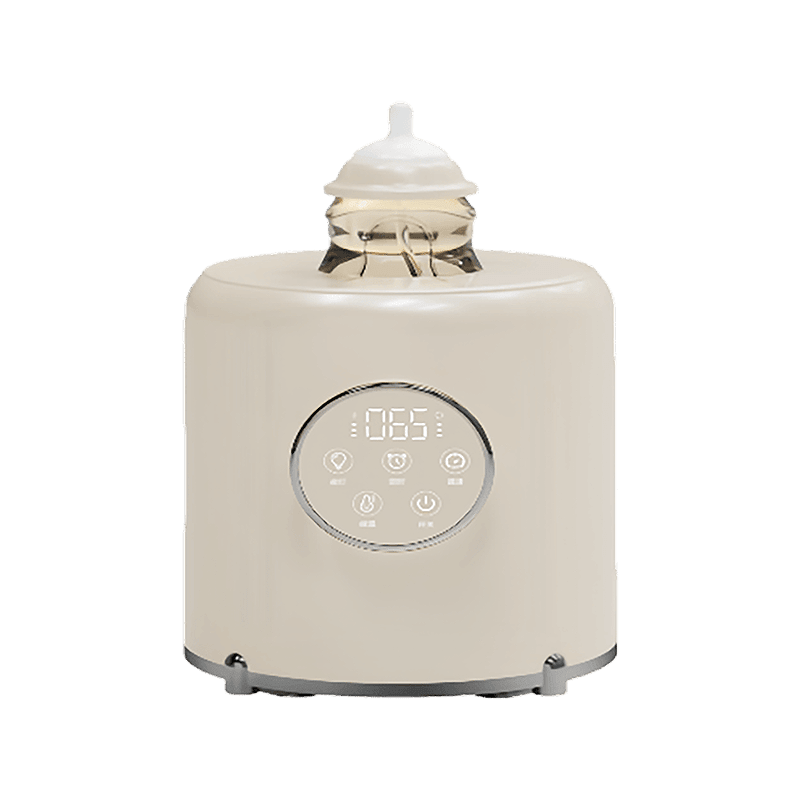 YD-660Y Intelligent Portable Electric Baby Milk ShakerThe YD-660Y Intelligent Portable Electric Baby Milk Shaker is designed specifically to meet the scie...
 -
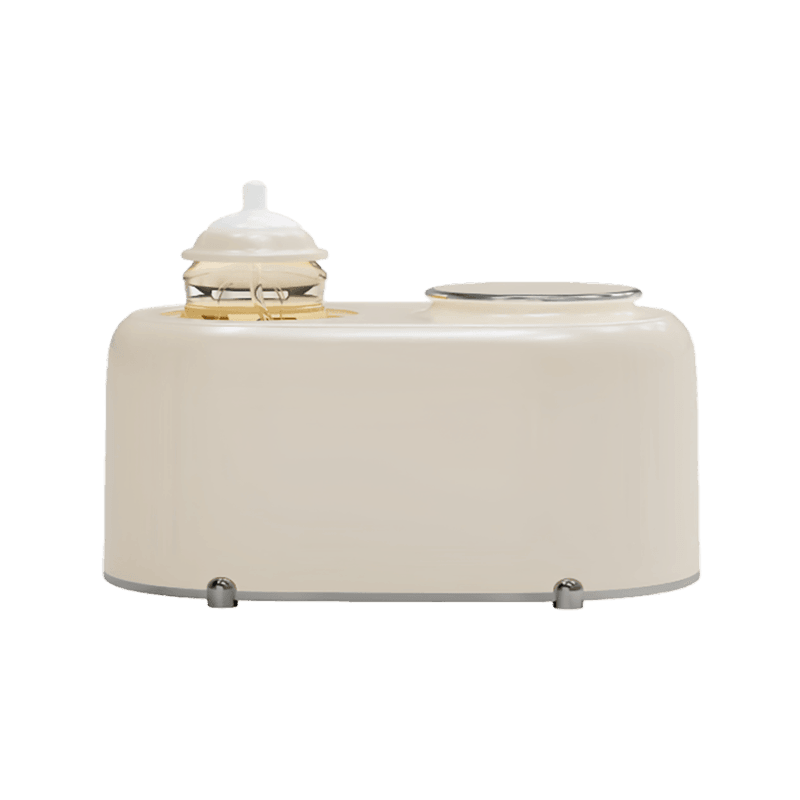 YD-760Y Intelligent Constant Temperature Baby Milk ShakerThe YD-760Y Intelligent Constant Temperature Baby Milk Shaker combines constant temperature milk pre...
The Baby Milk Shaker is a multi-functional smart feeding device designed for families with newborns and infants. It integrates multiple functions including milk shaking, warming, constant temperature maintenance, sterilization, and a night light, meeting all of your baby's feeding needs throughout the day. It helps parents easily handle various scenarios such as formula preparation, nighttime feeding, and daily care. Through its intelligent constant temperature system, it can maintain the milk at an ideal temperature for drinking for extended periods, avoiding nutrient loss from repeated heating and reducing waiting time, ensuring your baby can always have milk at the perfect temperature. The built-in automatic milk shaking function evenly mixes formula and water, effectively reducing clumps and bubbles, improving the smoothness of the milk, and minimizing discomfort from gas, protecting your baby's digestive health. It also supports bottle sterilization for added safety; the thoughtful night light design makes nighttime operation convenient, allowing you to easily complete the feeding process without turning on bright lights, minimizing disruption to your baby's sleep.
About Us

Yuyao Jialiang Electrical Appliance Co., Ltd.
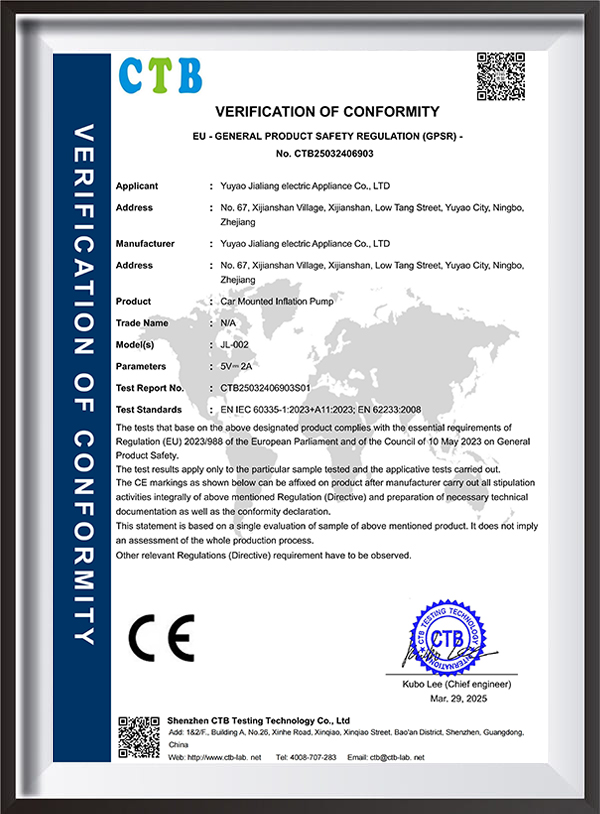
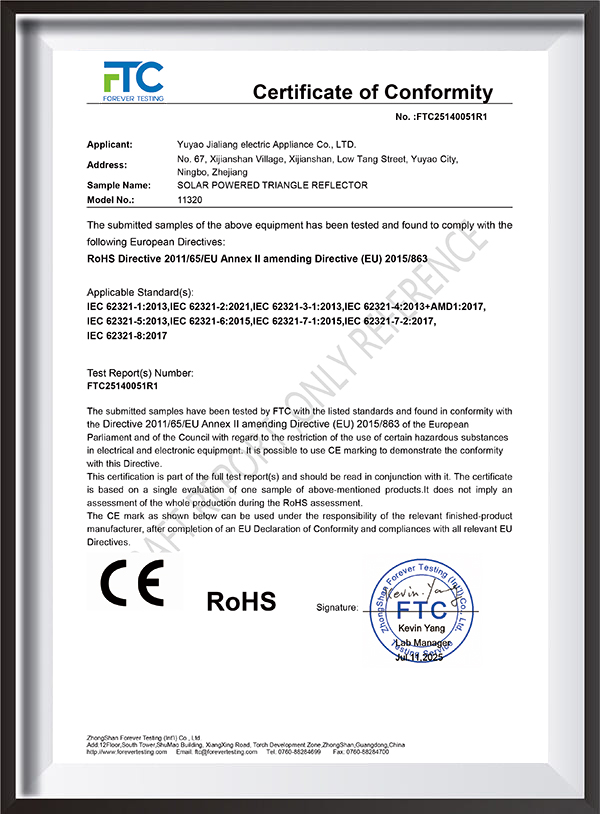
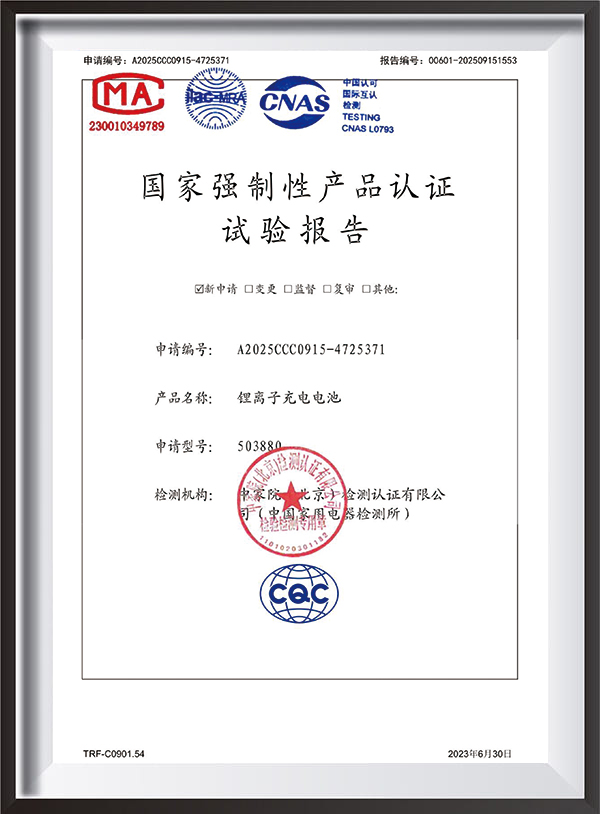
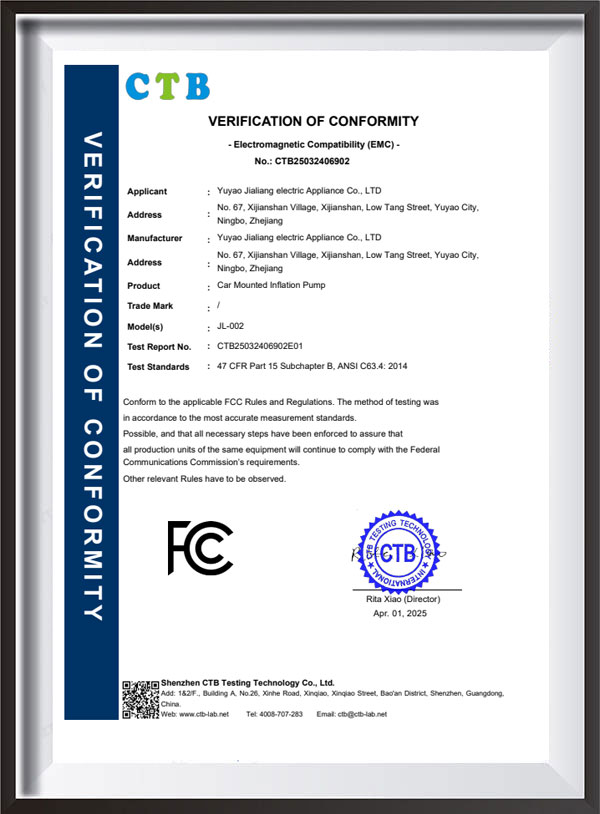
Certificate Of Honour
Latest News
Industry knowledge
Is a Baby Milk Shaker Convenient to Carry and Use When Going Out?
Understanding the Role of Baby Milk Shakers in Modern Parenting
Baby milk shakers are designed to simplify the preparation of milk or formula by providing consistent mixing with minimal effort. For parents who are frequently on the move, such as during travel, outdoor activities, or daily commuting, these devices offer a practical solution for feeding infants. Companies like Yuyao Jialiang Electric Appliance Co., Ltd. integrate user-focused design and compact structures into their baby care products, aligning with the needs of modern families who value both convenience and efficiency.
The increasing demand for portable baby care appliances reflects changes in lifestyle, where flexibility and mobility play a more central role. Baby milk shakers are positioned within this trend as tools that help reduce preparation time while maintaining consistency in feeding.
Portability and Compact Design Considerations
One of the main factors influencing the convenience of a baby milk shaker is its size and weight. Portable models are typically designed to fit easily into diaper bags or travel kits, allowing parents to carry them without adding significant bulk. Lightweight materials and ergonomic shapes further contribute to ease of transport, especially when multiple baby care items need to be carried at the same time.
Manufacturers often focus on compact motor integration and efficient internal layouts to ensure that the device remains small while maintaining functionality. Leveraging localized supply chains, such as those in Yuyao’s appliance manufacturing ecosystem, supports the production of compact components that meet both design and performance requirements.
Ease of Use in Outdoor and Travel Scenarios
When used outside the home, convenience is closely tied to how quickly and easily the device can operate. Baby milk shakers are generally designed with simple controls, allowing parents to prepare milk with minimal steps. This is particularly useful in environments such as parks, cars, or public spaces where time and conditions may be limited.
In addition, many models are compatible with standard baby bottles, reducing the need for additional accessories. This compatibility allows parents to integrate the device into their existing feeding routines without significant adjustments.
Power Options and Charging Flexibility
Power supply plays an important role in determining how convenient a baby milk shaker is for outdoor use. Cordless, battery-powered models are widely preferred for mobility, as they eliminate the need for constant access to electrical outlets. Rechargeable batteries, often supported by USB charging, allow the device to be powered through portable chargers, car adapters, or other common power sources.
This flexibility aligns with the company’s broader expertise in small electrical appliances, where adaptability to different usage environments is a key design consideration. By offering multiple charging options, manufacturers support a wider range of user scenarios.
Hygiene and Maintenance During Travel
Maintaining cleanliness is essential when preparing baby milk, especially outside the home. Portable baby milk shakers are typically designed with detachable components, making them easier to clean after use. Smooth internal surfaces and simplified structures help reduce residue buildup, which is important when immediate washing facilities may not be available.
Some designs also focus on minimizing the number of parts, allowing for quicker assembly and disassembly. This approach reduces the effort required for maintenance and supports more convenient usage during travel.
Comparison of Key Features for Portability
| Feature | Portable Baby Milk Shaker | Traditional Manual Mixing |
| Preparation Time | Quick and consistent | Depends on manual shaking |
| Ease of Carrying | Compact and lightweight | No device needed but requires effort |
| Power Requirement | Rechargeable battery | No power required |
| Mixing Consistency | Stable mixing performance | May vary by user |
| Cleaning Process | Detachable parts for cleaning | Standard bottle cleaning |
Application Scenarios in Daily Life
Baby milk shakers are commonly used in various outdoor and travel situations. During short trips, they provide a quick way to prepare milk without relying on external facilities. For longer journeys, such as road trips or flights, their portability helps parents maintain consistent feeding routines. In urban environments, they are also useful for parents who need to prepare milk while commuting or visiting public places.
The adaptability of these devices reflects the broader product strategy of companies engaged in both manufacturing and international trade, where understanding diverse user needs is essential for product development.
Cost-Effectiveness and Practical Value
From a cost perspective, portable baby milk shakers are positioned as practical tools that balance functionality and affordability. By leveraging efficient production processes and localized supply chains, manufacturers like Yuyao Jialiang Electric Appliance Co., Ltd. are able to offer products that meet everyday needs without excessive cost increases.
The value of these devices is often measured not only in terms of price but also in the time and effort they help save. For parents managing multiple responsibilities, the ability to prepare milk quickly and consistently can contribute to a more manageable daily routine.
Design Trends and Product Development Directions
The design of baby milk shakers continues to evolve with a focus on portability, energy efficiency, and user-friendly features. Advances in compact motor technology and battery systems allow manufacturers to reduce size while maintaining reliable performance. At the same time, improvements in materials and structural design support durability and ease of cleaning.
Companies operating within established manufacturing clusters benefit from access to specialized components and rapid production adjustments. This enables them to respond to market trends and introduce updated designs that align with changing consumer expectations.
FAQ
Q: How does a baby milk shaker help improve feeding efficiency during busy routines?
A: A baby milk shaker simplifies the mixing process by providing consistent blending with minimal effort. This allows parents to prepare milk quickly, which is especially helpful during nighttime feeding or when managing multiple tasks.
Q: What features should be considered when selecting a baby milk shaker for travel use?
A: Key considerations include compact size, lightweight design, battery capacity, and compatibility with common bottle types. Easy cleaning and simple operation are also important for maintaining convenience outside the home.
Q: How do manufacturers ensure consistent mixing performance in baby milk shakers?
A: Manufacturers focus on motor stability, optimized rotation speed, and well-designed internal structures to ensure even mixing. R&D efforts also help refine these elements for reliable day-to-day use.
Q: Can a baby milk shaker be integrated into existing baby care routines?
A: Yes, most baby milk shakers are designed to work with standard baby bottles, allowing parents to incorporate them into their current feeding setup without requiring major adjustments or additional accessories.
Q: How does localized production support the quality of baby milk shakers?
A: Localized manufacturing clusters, such as those in Yuyao, enable efficient sourcing of components and faster production cycles. This helps maintain consistent quality and allows manufacturers to respond quickly to market needs.
Q: What are the maintenance requirements for a baby milk shaker?
A: Maintenance typically involves regular cleaning of detachable parts and ensuring that the device is properly dried after use. Simple structural designs help reduce cleaning time and support hygienic use.
Q: How do baby milk shakers adapt to different international markets?
A: Manufacturers often provide variations in charging options, voltage compatibility, and packaging to meet regional requirements. This flexibility supports global distribution and diverse customer needs.
Q: What role does cost control play in the production of baby milk shakers?
A: Cost control is achieved through efficient production processes and supply chain integration. By balancing material selection and design efficiency, manufacturers can offer practical products that meet everyday needs at a reasonable cost.

Contact Us
LET'S START COLLABORATING
Jialiang Electrical Appliance develops high-quality automotive and household products, including inflators, vacuum cleaners, bottle warmers, and small appliances. We aim to enhance daily life with innovative, user-focused solutions.
Product
Jump Starter and Air Compressor Solar LED Reflective Warning Triangle Light Wireless Mini Vacuum Cleaner Baby Milk Shaker Foam SprayerSTAY CONNECTED
 +86 13956690933
 [email protected]
[email protected]
 No. 67, Mojian Hill, Ditang Street, Yuyao City, Ningbo City, Zhejiang Province, China.
MOBILE
Copyright © Yuyao Jialiang Electrical Appliance Co., Ltd. All Rights
Reserved
 OEM/ODM Baby Milk Shaker/Mixer Factory