


 русский
  Español
  عربى
عربى As China Car-Mounted Inflation Pump Factory and Car Tire Inflator Manufacturers, Yuyao Jialiang Electric Appliance Co., Ltd. was established in 2022 and is located in Yuyao, Zhejiang, a "National Foreign Trade Transformation and Upgrading Base (Household Appliances)." Leveraging the region's well-developed home appliance industrial chain and mold supply advantages, the company specializes in the research and development, manufacturing, and global sales of automotive electrical appliances and small household appliances. The company's core products include automotive air pumps, car/household vacuum cleaners, and baby bottle mixers and warmers. In addition, it is involved in the production and sale of household appliances, plastic products, and hardware items, as well as import and export trading. As a small enterprise combining R&D with international trade capabilities, the company focuses on providing high-value, cost-effective products. Designed to meet daily household needs and automotive care requirements, its offerings benefit from Yuyao's home appliance cluster, which enables "localized supply and quick response," ensuring strong product quality and timely delivery. Building on Yuyao’s established foundation of home appliance exports to over 150 countries and regions worldwide, the company actively expands into international markets. It is committed to providing global customers with reliable electrical products and customized solutions, gradually establishing a differentiated competitive edge in the automotive aftermarket and maternal-infant small appliance sectors.

Car-Mounted Inflation Pump Factory
-
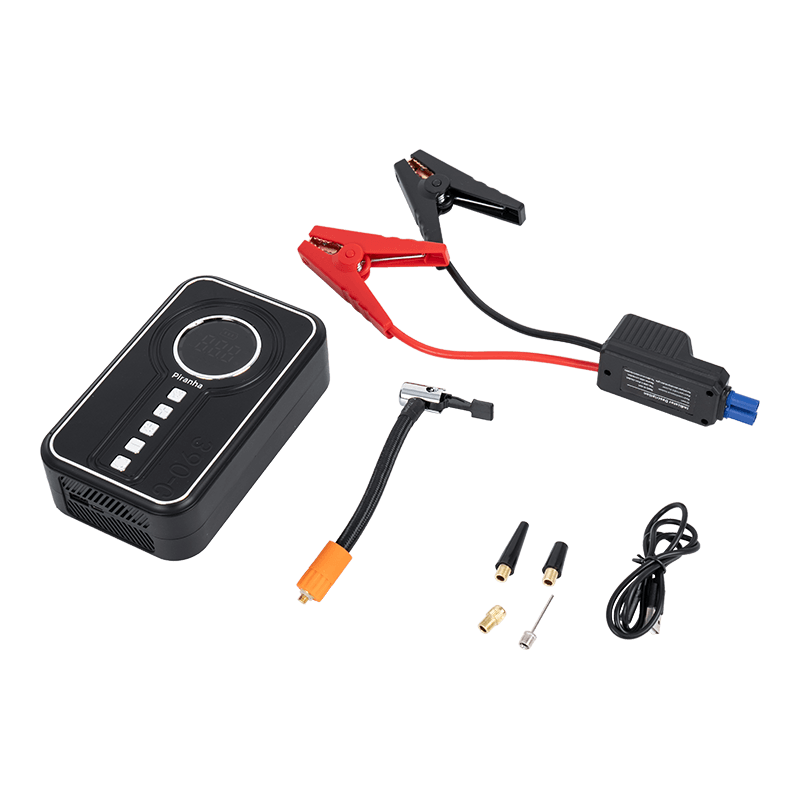 JL-002 Black Air Jump Starter with Air Compressor and Tire Pressure Gauge Digital 0-150PSI• HIGH PERFORMANCE, START DEAD BATTERIES: Safely jumpstart a dead battery in seconds with this compa...
 -
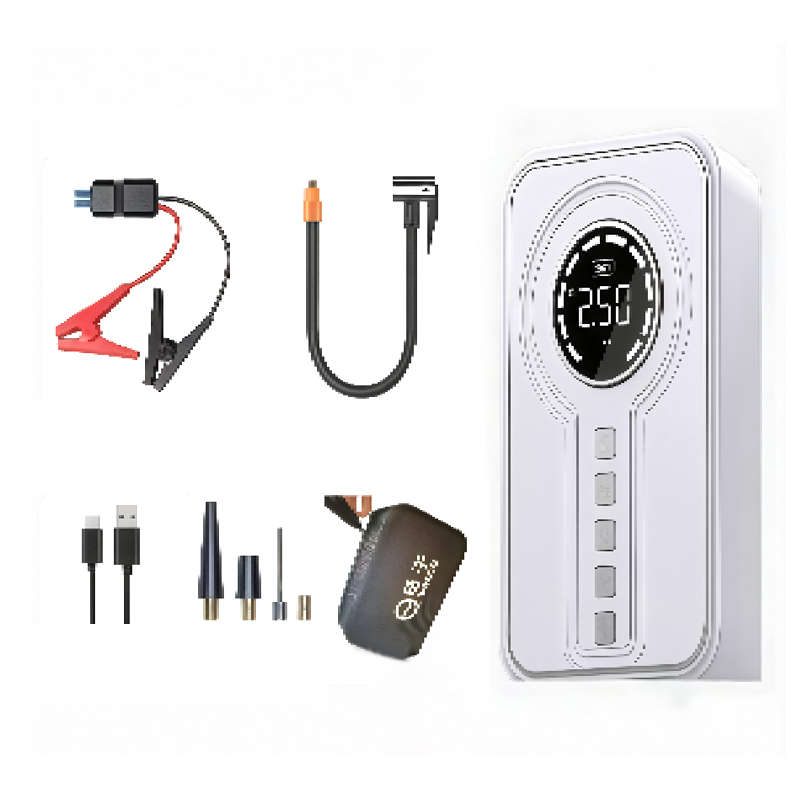 JL-002 White Compact 2-in-1 Emergency Jump Starter & Tire Inflator, High Precision 150PSI Tire Pressure Gauge for All Vehicle Types• Powerful Lithium Jump Start Function No more waiting around for roadside service when your vehicle...
 -
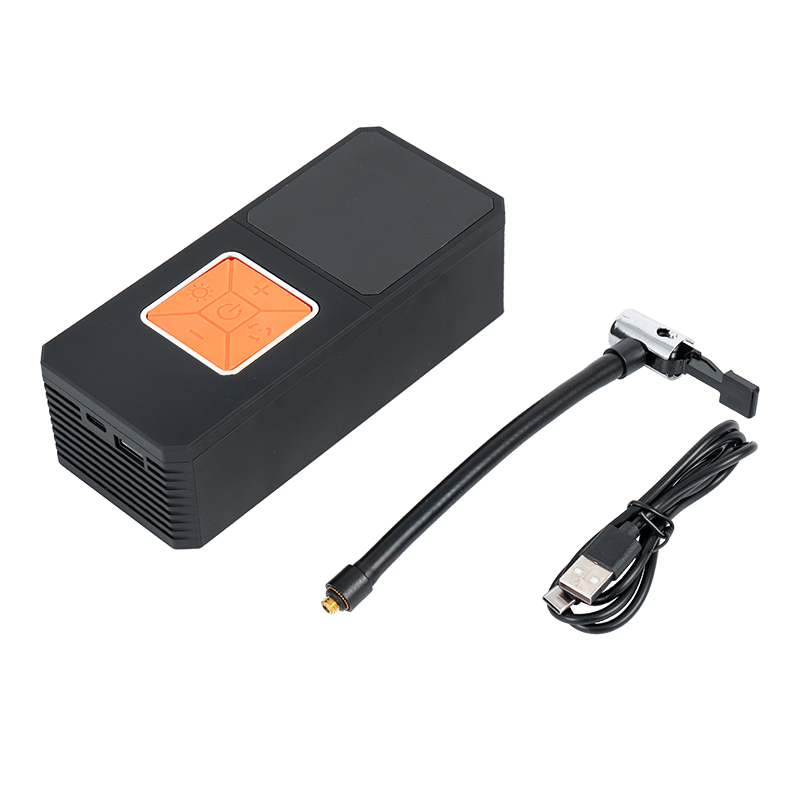 JL-004 Black Wireless Mini Air PumpThe JL-004 Black Wireless Mini Air Pump is a convenient and efficient inflator. Its compact design (...
 -
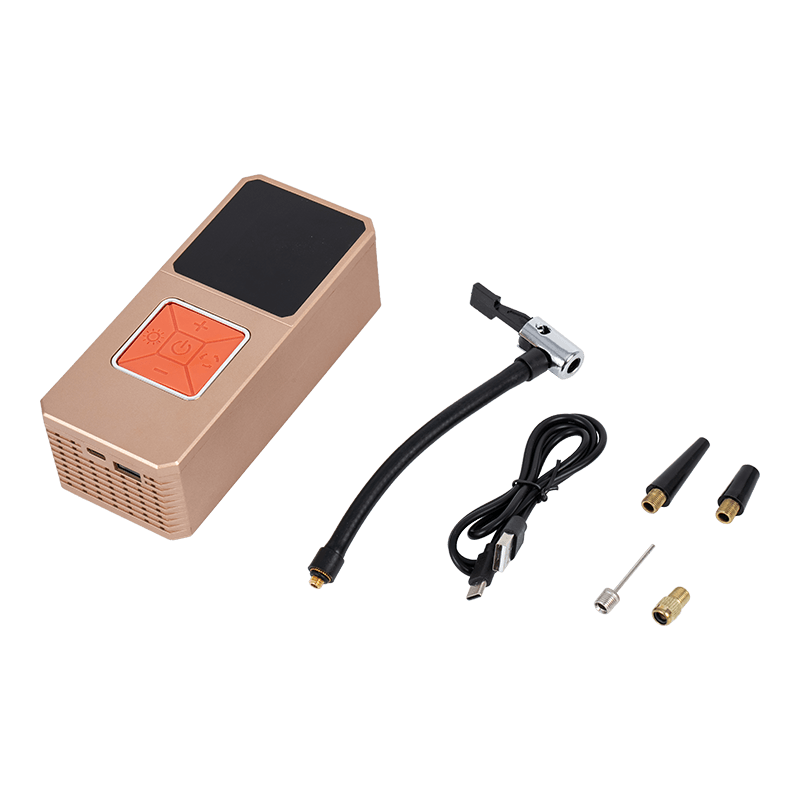 JL-004 Gold Wireless Mini Air PumpThe JL-004 Gold Wireless Mini Air Pump is a compact yet powerful inflator suitable for car owners, s...
 -
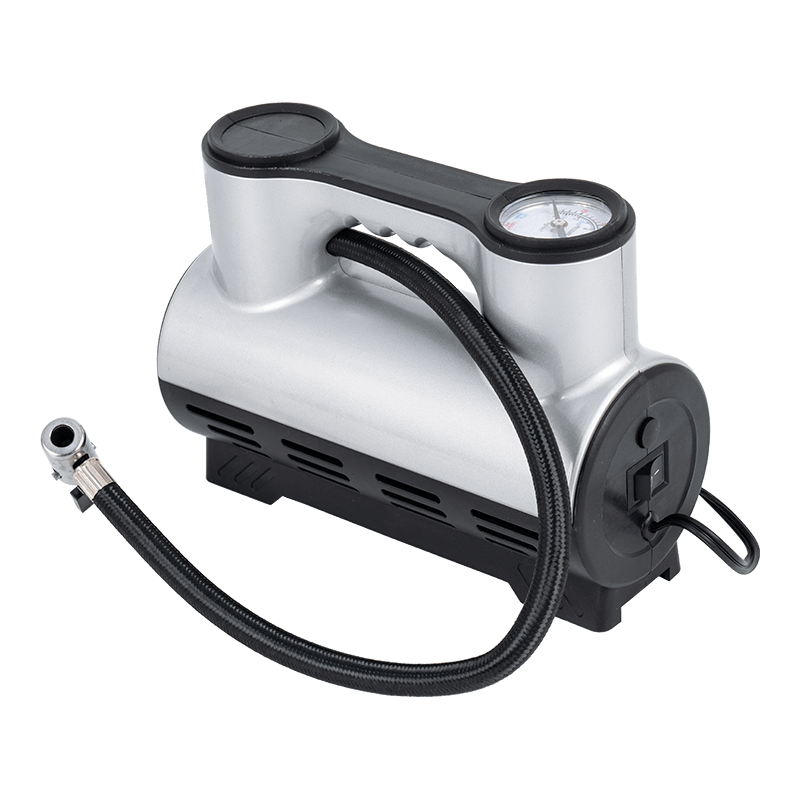 CXF-211 Car Air Pump with PointerThe CXF-211 Car Air Pump with Pointer is a high-efficiency, durable car air pump designed specifical...
 -
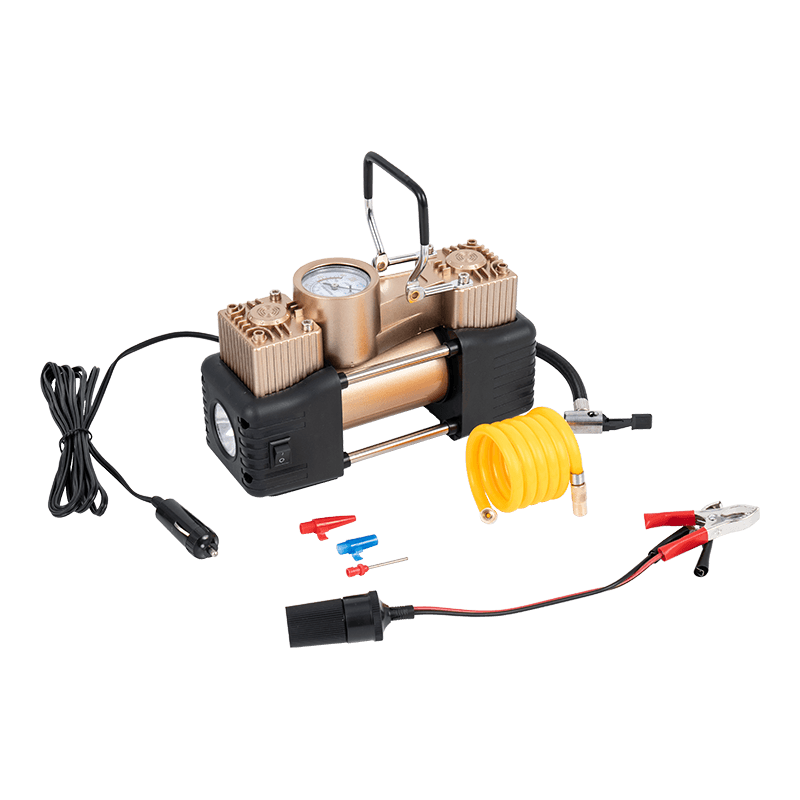 CXF-213 Air Pump with Gold PointerThe CXF-213 Air Pump with Gold Pointer is a high-efficiency, rugged, and beautifully designed car in...
 -
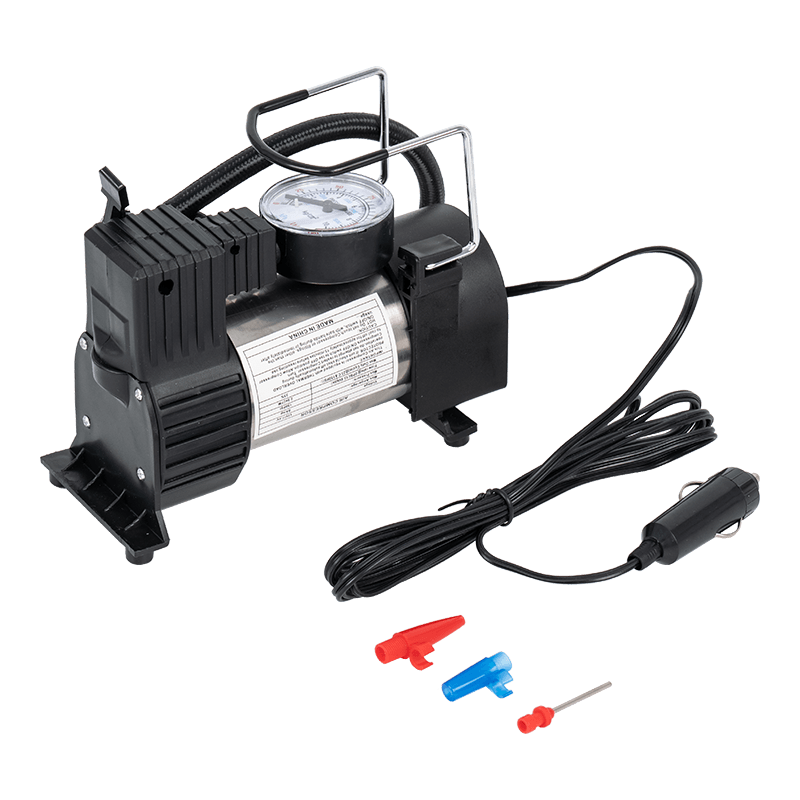 CXF-214 Onboard air pump with pointerThe CXF-214 Onboard Air Pump with Pointer is a high-efficiency and convenient car air pump suitable ...
 -
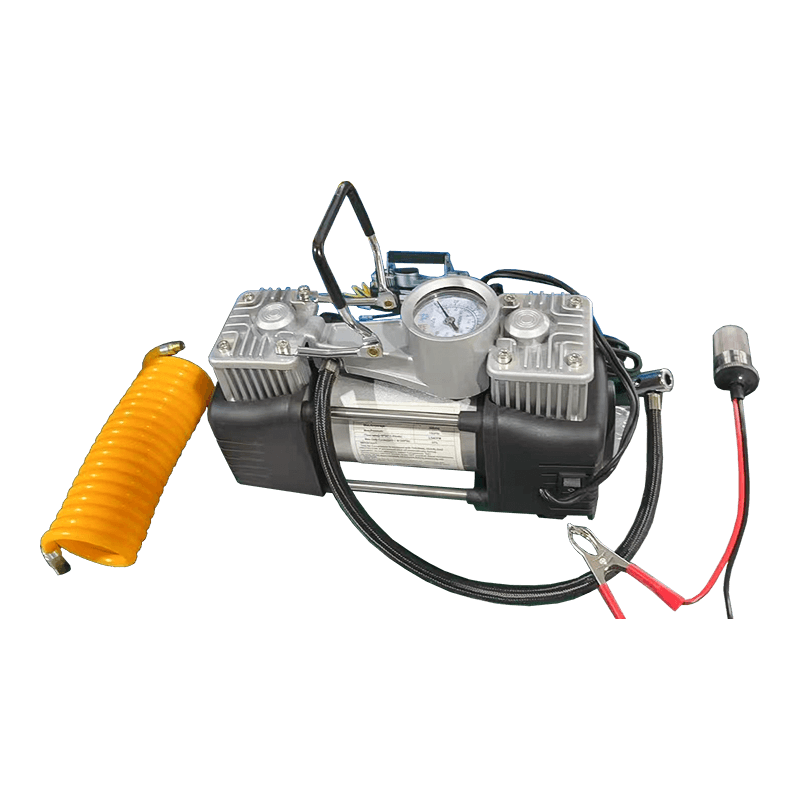 Car air pump with pointer single bar 19 cylinder color box packagingThis car air pump with pointer, single bar, 19 cylinder, and color box packaging is a high-efficienc...
 -
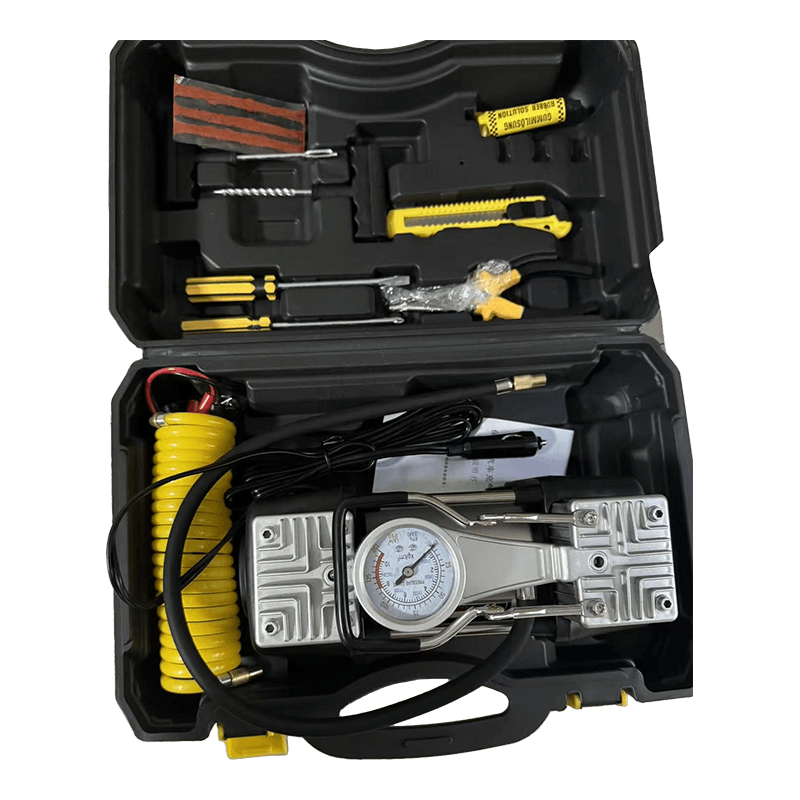 Car air pump with pointer single bar 19-cylinder toolbox packagingThis car air pump with pointer, single bar, and 19-cylinder toolbox packaging is a high-efficiency, ...
 -
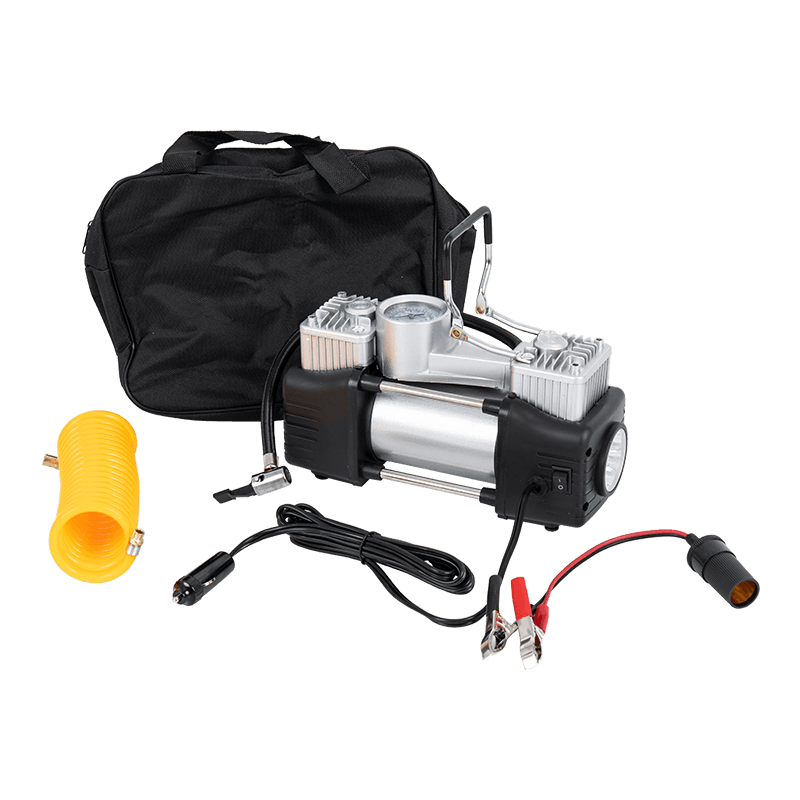 Car air pump single bar 30-cylinder color box packagingThis car air pump, single bar, 30-cylinder, color box packaging, is a powerful and high-performance ...
 -
Car air pump single bar 30-cylinder toolbox packagingThe Car Air Pump Single Bar 30-Cylinder is a well-designed and powerful car air pump designed to pro...
The Car-Mounted Inflation Pump is a portable inflation device specifically designed for car owners for travel and daily tire maintenance. It combines efficient inflation, intelligent detection, and multi-scenario adaptability, allowing users to quickly inflate tires anytime, anywhere, ensuring driving safety. Its compact size and powerful air pump quickly restore car tires to standard pressure, effectively reducing the risk of tire blowouts and improving fuel efficiency. It's an ideal assistant for in-car emergencies and daily maintenance. The product features a digital display and intelligent tire pressure monitoring function, displaying pressure data in real time. It supports preset tire pressure values, automatically stopping when the desired pressure is reached, eliminating the need for repeated checks, making operation easier and more precise. The powerful motor provides stable output, significantly shortening inflation time, while operating quietly, ensuring a pleasant user experience.
About Us

Yuyao Jialiang Electrical Appliance Co., Ltd.
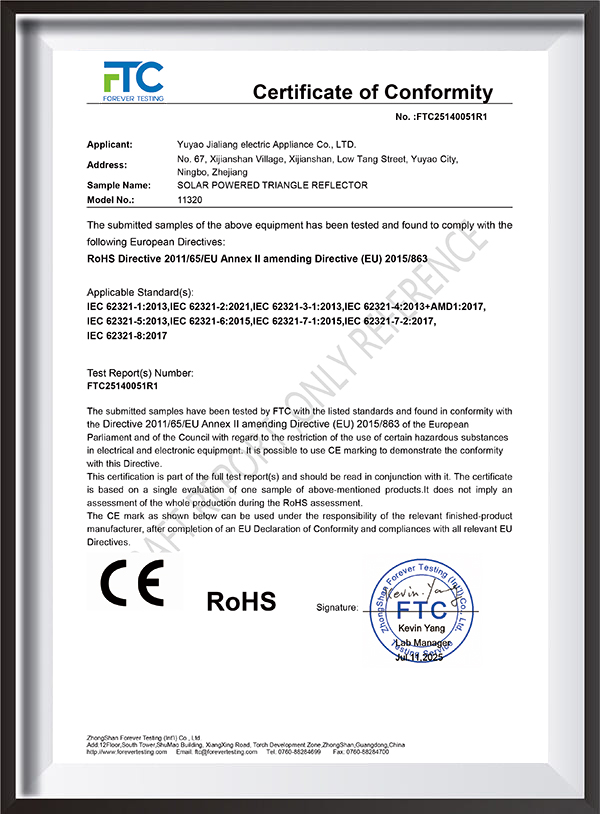
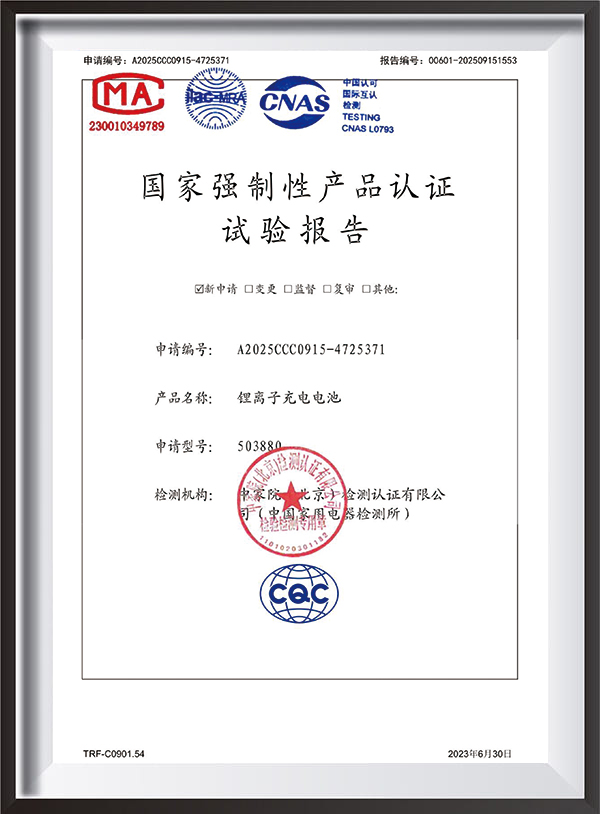
Certificate Of Honour


Latest News
Industry knowledge
Can Inaccurate Air Pressure from a Car Tire Inflator Damage the Tires?
Understanding Tire Pressure and Its Role in Vehicle Safety
Tire pressure is a critical factor in vehicle performance, influencing handling, braking distance, fuel efficiency, and overall driving stability. Car tire inflators, including portable automotive air pumps developed by companies such as Yuyao Jialiang Electric Appliance Co., Ltd., are widely used for routine maintenance and emergency inflation. However, when air pressure readings are inaccurate or improperly applied, they may lead to conditions that affect tire structure and performance over time.
Because automotive inflators are often used in both household garages and roadside situations, understanding the relationship between pressure accuracy and tire condition is important for safe usage.
How Inaccurate Air Pressure Affects Tire Structure
When a tire is inflated beyond its recommended pressure, the internal structure of the tire becomes overly stretched. This can lead to uneven contact with the road surface, increasing wear in the center tread area. On the other hand, under-inflation causes excessive flexing of the sidewalls, which generates heat during driving and may accelerate material fatigue.
Both conditions place stress on different parts of the tire structure. Over time, repeated exposure to incorrect pressure levels can contribute to reduced service life and inconsistent driving performance.
Accuracy Factors in Tire Inflators
The accuracy of a car tire inflator depends on its pressure sensor quality, calibration system, and motor stability. Digital inflators generally provide more consistent readings compared to analog models, although both require periodic verification to ensure correct performance.
Manufacturers involved in automotive electrical appliances, such as Yuyao Jialiang Electric Appliance Co., Ltd., integrate pressure monitoring systems into their air pumps to help users achieve more controlled inflation. However, external factors such as temperature variation and hose connection tightness can still influence final readings.
Comparison of Tire Pressure Conditions and Their Effects
| Pressure Condition | Main Tire Impact | Driving Behavior Effect |
| Over-inflation | Center tread wear increases | Reduced road grip and harsher ride |
| Under-inflation | Sidewall stress and overheating | Higher fuel consumption and sluggish handling |
| Correct inflation | Balanced tread wear | Stable handling and efficient performance |
Role of Tire Inflators in Preventing Pressure-Related Issues
Modern car tire inflators are designed to help users maintain recommended pressure levels with greater convenience. Many devices include preset pressure functions that automatically stop inflation once the target level is reached. This reduces the risk of over-inflation caused by manual monitoring errors.
In automotive product manufacturing, integration of digital control systems has become more common. These systems allow users to set pressure values in advance, which supports more controlled inflation processes during both routine maintenance and emergency use.
Environmental Factors Affecting Pressure Readings
Temperature changes can significantly influence tire pressure readings. In colder environments, air contracts and reduces pressure levels, while in hotter conditions, air expands and increases pressure. This natural fluctuation may lead users to believe that tires are under- or over-inflated when they are actually responding to environmental conditions.
Portable inflators used in different climates must therefore account for these variations. Some advanced models include compensation functions that adjust readings based on ambient temperature to improve consistency.
Importance of Calibration and Measurement Stability
Calibration accuracy plays a key role in ensuring tire inflators provide reliable readings. If the internal pressure sensor is not properly calibrated, even small deviations can result in incorrect inflation levels. Regular testing against standard gauges is often recommended to maintain measurement reliability.
Manufacturers focusing on automotive electrical appliances typically implement quality control processes during production to reduce measurement inconsistencies. This is particularly important for products intended for international markets with varying safety expectations.
Usage Scenarios and Risk Levels
Different usage environments influence the likelihood of pressure-related tire issues. In controlled home garage environments, users generally have more time to monitor inflation levels carefully. In contrast, roadside emergency situations may lead to quicker, less precise inflation decisions due to time pressure.
Portable inflators are designed to address both scenarios by offering quick setup and easy operation. However, user attention to recommended pressure values remains an essential factor in avoiding tire damage.
Manufacturing Integration and Product Reliability
Companies that combine R&D, manufacturing, and international trade capabilities are able to refine tire inflator designs based on user feedback from different markets. Yuyao’s manufacturing cluster provides access to coordinated supply chains for motors, sensors, and plastic components, supporting consistent production quality.
Through this integrated approach, product development can focus on improving pressure accuracy, reducing operational error, and enhancing durability under repeated use conditions.
FAQ
Q: What factors affect the inflation speed of a car tire inflator?
A: Inflation speed is mainly influenced by motor power, airflow efficiency, and hose design. Higher motor stability and optimized internal airflow paths help maintain more consistent pressure delivery during operation.
Q: How does a digital pressure display improve the use of a car tire inflator?
A: A digital pressure display provides real-time feedback on tire pressure, allowing users to monitor inflation more precisely. This helps reduce the risk of over-inflation or under-inflation during use.
Q: Why is portability important for a car tire inflator in emergency situations?
A: Portability allows users to carry and operate the inflator easily during roadside emergencies. Compact designs ensure the device can be stored in a vehicle without taking up significant space.
Q: How do manufacturers ensure stable performance in car tire inflators?
A: Stability is achieved through motor quality control, sensor calibration, and structural design optimization. Companies with integrated R&D and manufacturing systems can better maintain consistent performance across production batches.
Q: Can a car tire inflator be used for different types of vehicles?
A: Yes, most car tire inflators are designed to support a range of vehicles, including passenger cars, SUVs, and motorcycles. Adjustable pressure settings allow compatibility with different tire specifications.
Q: What role does temperature play in tire inflator readings?
A: Temperature can affect air density, which may influence pressure readings. In colder conditions, pressure may appear lower, while in hotter environments it may rise, making stable sensor calibration important.
Q: How does localized manufacturing benefit car tire inflator production?
A: Localized manufacturing enables faster component sourcing and production coordination. This helps improve delivery response time and maintain consistent product quality across different markets.
Q: What safety considerations should be followed when using a car tire inflator?
A: Users should always follow the recommended tire pressure values and avoid continuous over-inflation. Ensuring proper connection to the valve and monitoring pressure during inflation helps maintain safe operation.

Contact Us
LET'S START COLLABORATING
Jialiang Electrical Appliance develops high-quality automotive and household products, including inflators, vacuum cleaners, bottle warmers, and small appliances. We aim to enhance daily life with innovative, user-focused solutions.
Product
Jump Starter and Air Compressor Solar LED Reflective Warning Triangle Light Wireless Mini Vacuum Cleaner Baby Milk Shaker Foam SprayerSTAY CONNECTED
 +86 13956690933
 [email protected]
[email protected]
 No. 67, Mojian Hill, Ditang Street, Yuyao City, Ningbo City, Zhejiang Province, China.
MOBILE
Copyright © Yuyao Jialiang Electrical Appliance Co., Ltd. All Rights
Reserved
 Custom Car-Mounted Inflation Pump Suppliers