


 русский
  Español
  عربى
عربى 
What Should Be Included in a Bug Out Pack for Roadside and Home Emergencies?
 2026.09.04
 Industry News
Content
At 6:40 p.m. on a Tuesday, a driver pulls onto the shoulder of a two-lane highway with a flat tire and the battery light glowing. The nearest service station is twenty-three miles away. Ten minutes earlier, the engine temperature gauge crossed into the red, and the radio started cutting out. Rushing to the car, they realize the phone is at 14 percent, the spare tire is buried under gym bags, and the only tool in the vehicle is a multi-tool that has been there since the previous lease. This is the moment a bug out pack stops being an abstract idea and becomes a practical answer.
A bug out pack is a kit that lets you leave a vehicle, a workspace, or a home and sustain yourself for a defined period. The contents matter less than the decisions behind them: which scenarios you are solving for, how much time you need to cover, and what weight you and your family can carry. A pack designed for a three-day walk through a forest is not the same as one designed for a thirty-mile highway stretch during a storm.
The packs that hold up in real emergencies share a common design. They prioritize water, shelter, medical care, and power. They also use multi-function tools to do more with less. Below is a working checklist for building that pack, followed by the equipment categories that most often get skipped.
What every bug out pack must cover
A sound approach to building a pack is to start with survival fundamentals, then add tools for your specific environment. The table shows the baseline categories, what to include, and the reason each one earns its place.
| Category | What to Include | Why It Matters |
|---|---|---|
| Water | 2 liters per person per day, filter or purification tablets | Dehydration impairs judgment faster than most other deficits |
| Food | 72 hours of high-calorie, no-cook food | Calories are fuel for decisions, not just comfort |
| Shelter | Emergency bivy, tarp, heat-reflective blanket | Hypothermia is the quickest physical threat |
| First Aid | Bleeding control, daily medications, wound closure | Most preventable deaths involve airway or blood loss |
| Power | Light source, backup battery, energy devices | Darkness and dead batteries are largely avoidable |
| Navigation | Map, compass, printed route notes | GPS fails in ways paper does not |
| Hygiene | Sanitation wipes, small shovel, trash bags | Infection compounds every other problem |
| Documents | Copies of IDs, cash in small bills | Civil infrastructure can go offline without warning |
Once the baseline is covered, look at the gaps in your daily routine. A person who drives long distances needs different supplies than someone who relies on public transport. A household with an infant has hard constraints that a solo packer can ignore. The rest of this article addresses those gaps with specific equipment that has earned a place in a real tested pack.
Power: the most overlooked part of the pack
Most checklists treat power as an afterthought, then regret it when the phone dies an hour after the network outage. A dead vehicle battery, a low tire, or an exhausted phone can turn a short detour into an overnight wait. The fix is gear that restores power without adding bulk.
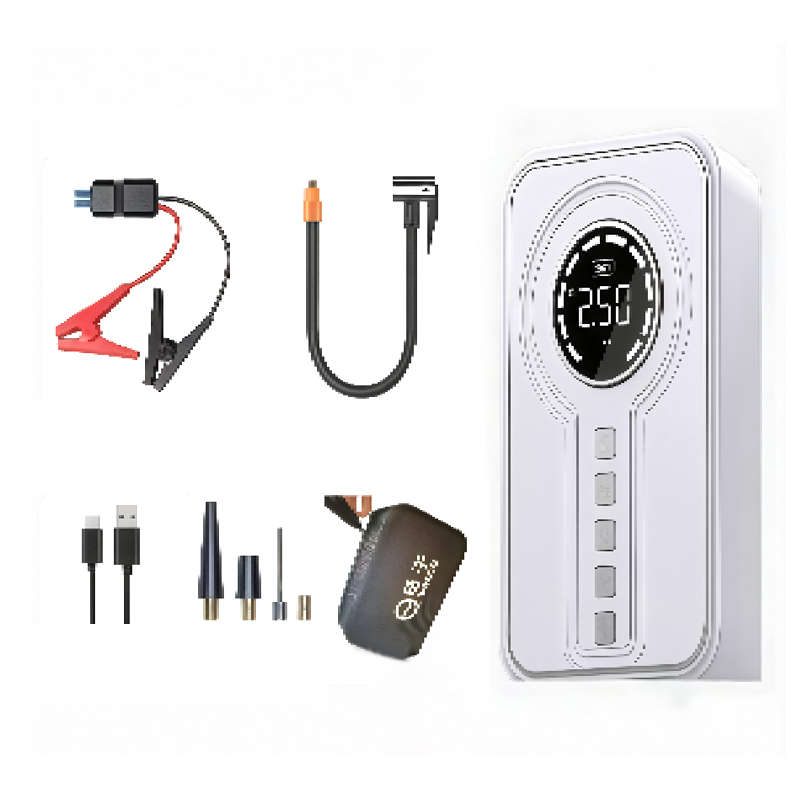
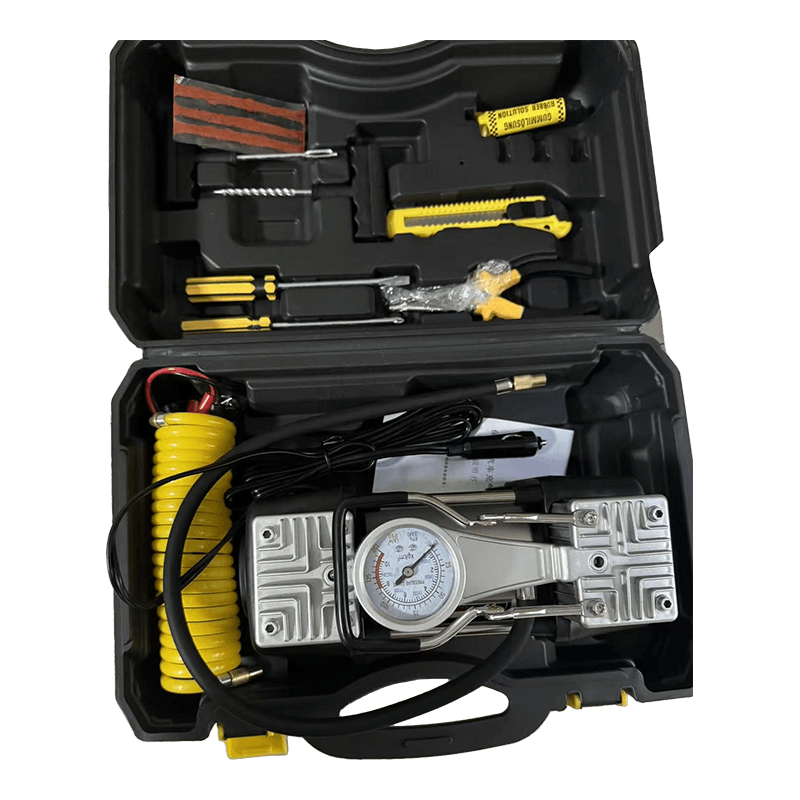
A car emergency start power supply combined with an inflation pump is one of the more efficient uses of pack space. It revives a discharged vehicle battery, inflates a low tire, and charges small electronics from the same unit. In a road-based bug out pack, that covers vehicle recovery and personal electronics with a single item.
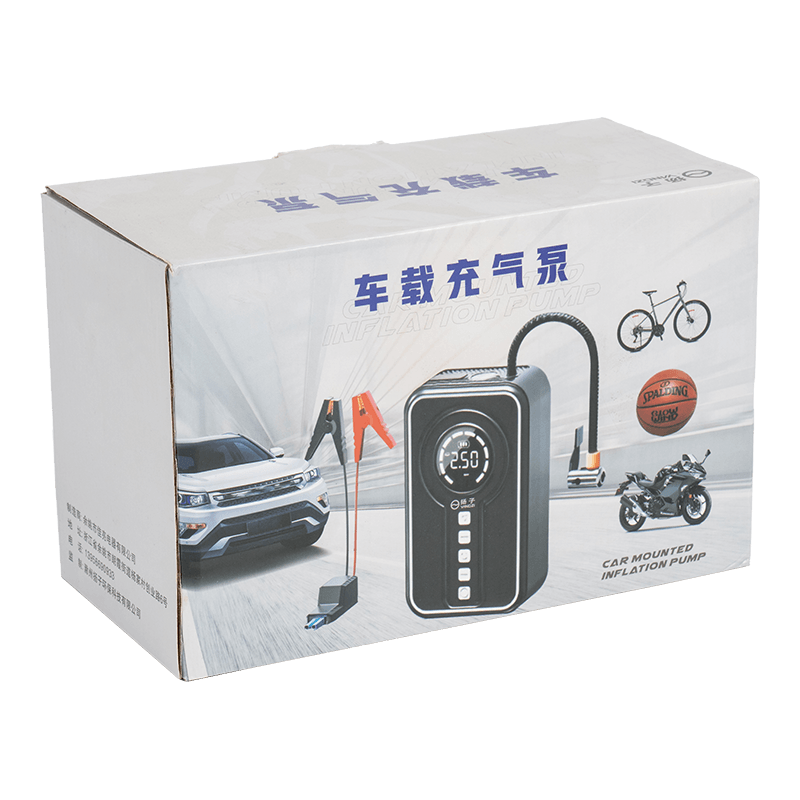 Car Emergency Jump Starter with Built-In Air CompressorCombines a 1000-amp jump starter and a 150PSI air pump in one compact unit, ideal for reviving dead batteries and inflating tires during roadside emergencies.View Product →
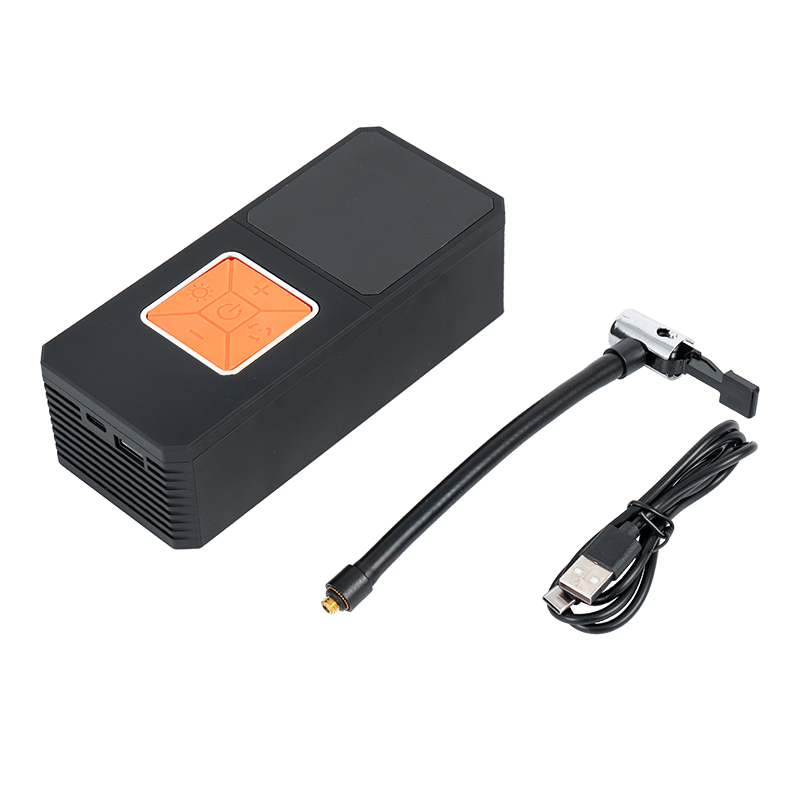
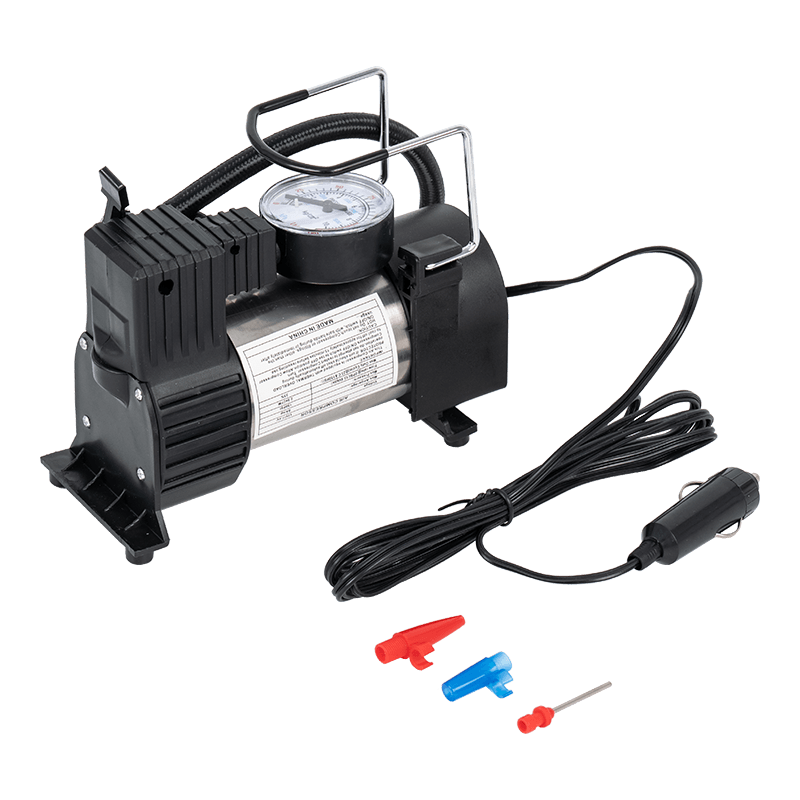
For packs that do not need jump-start capability, a wireless mini air pump is a compact alternative. It fits in a side pocket, runs on its own battery, and restores tire pressure anywhere. Knowing the limits of an automotive air compressor is essential before you count on it in a real emergency. The common failure modes and real-world limits are worth reading before you rely on one in the field.
When choosing any power device for a pack, three specifications matter most: capacity, outputs, and real-world operating temperature. Capacity is usually stated in amp-hours, but practical run time depends on the load. Outputs matter because a pack that only covers a 12-volt accessory socket is inflexible. Operating temperature matters because a jump starter left in a car through a freezing night is not the same device as one stored at room temperature.
Roadside visibility and collision prevention
When your vehicle stops on a shoulder, the first challenge is being seen. A triangle emergency warning light is not a decorative accessory; it prevents a secondary collision. Place it behind the vehicle at the recommended distance, and choose a light with an LED source because it is visible at distance and runs for hours on small batteries.
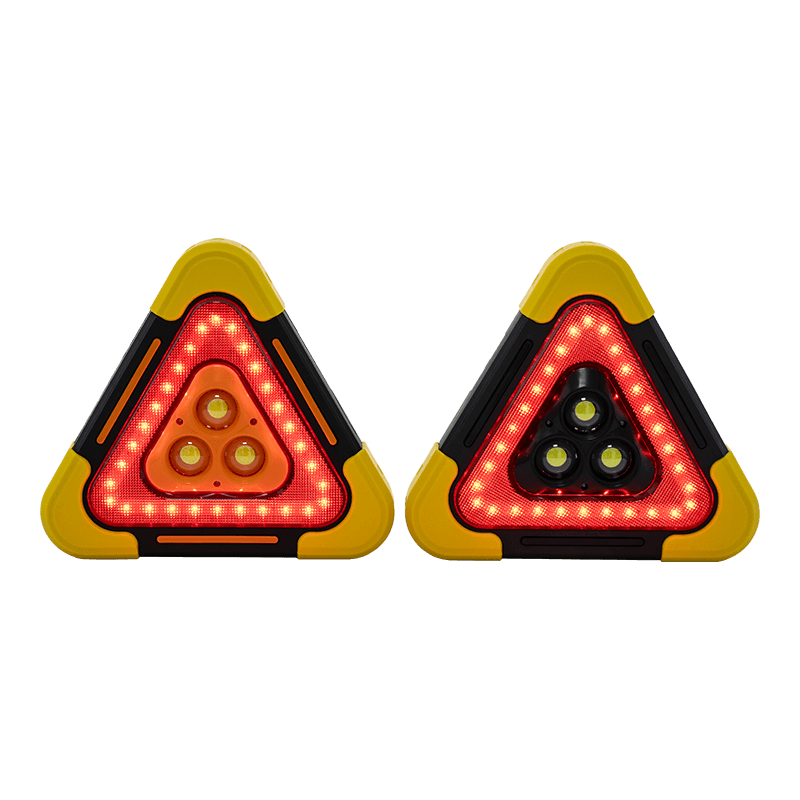 Solar-Rechargeable LED Warning Triangle for Roadside SafetyFeatures 68 high-intensity LEDs, solar and USB-C charging, and multiple lighting modes, providing visible warning and emergency lighting to prevent secondary collisions.View Product →
In most jurisdictions, the recommended placement is between 45 and 150 meters behind the stopped vehicle, depending on the road type. A triangular warning light that folds flat and stores in a door pocket makes it much more likely you will actually use it. Pack a reflective vest, a whistle, and a small light you can hand to a child. Add a printed map of the surrounding area and a short note listing any medical conditions. The pack that keeps a family visible during a roadside stop is safer than the pack with a fifty-tool knife. Visibility is one of the more cost-effective additions in the kit.
Family packs: when an infant joins the equation
If there is an infant in the household, the pack changes. Formula, bottles, diapers, and a reliable way to prepare feedings become non-negotiable. The equipment has to be compact, battery powered, and simple to clean in a car or a shelter.
A portable electric baby milk shaker solves a specific problem: mixing formula evenly when you do not have a stove or a stable surface. That is why family packs from manufacturers who understand infant feeding and battery limits include this type of device as part of a thoughtful kit.
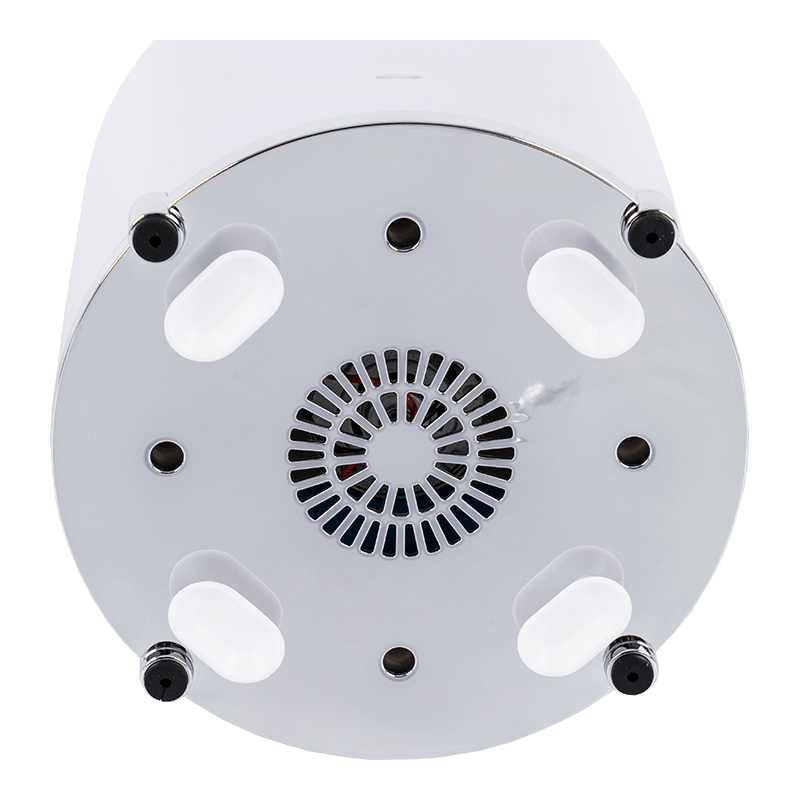 Portable Electric Baby Milk Shaker for Uniform MixingCompact battery-powered shaker that evenly dissolves formula, reducing clumps and bubbles, with USB charging and a secure fit for most standard baby bottles.View Product →
Keep a separate sealed pouch of formula, pre-measured bottle portions, and a manual backup. If you are evaluating a specific shaker or warmer for an OEM project, contact the manufacturer to confirm the exact specs and battery runtime. For families, the bug out pack is not one bag; it is one system with a clear division of responsibilities.
Packing weight and multi-function selection
Weight is a hidden enemy in most packs. A bag that weighs forty-five pounds is difficult to carry for a mile, let alone a day. The general rule is that a loaded pack should stay below twenty-five percent of your body weight for most adults. That forces a hard choice between redundancy and utility.
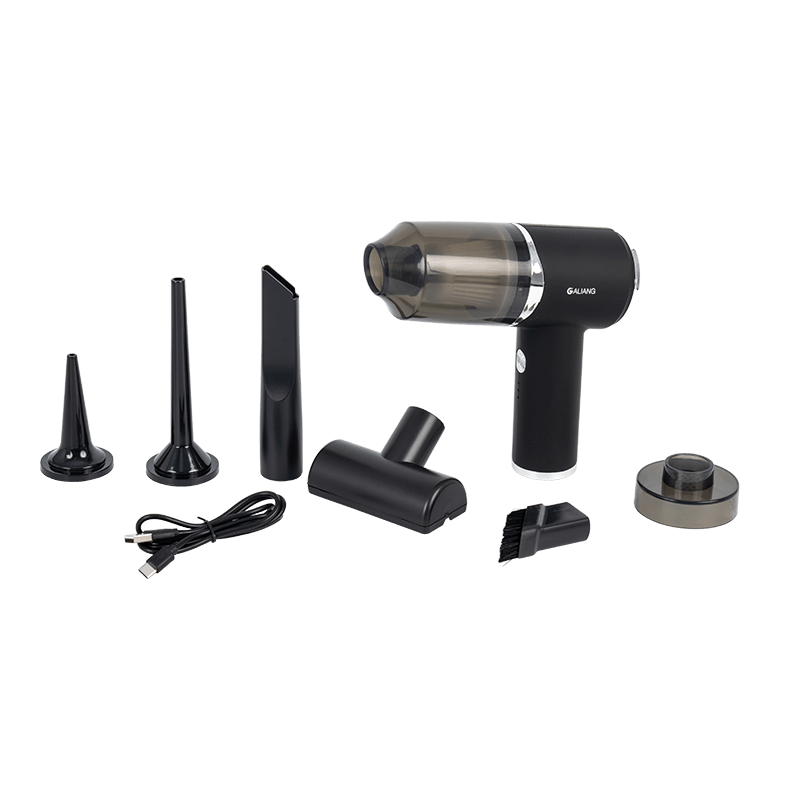
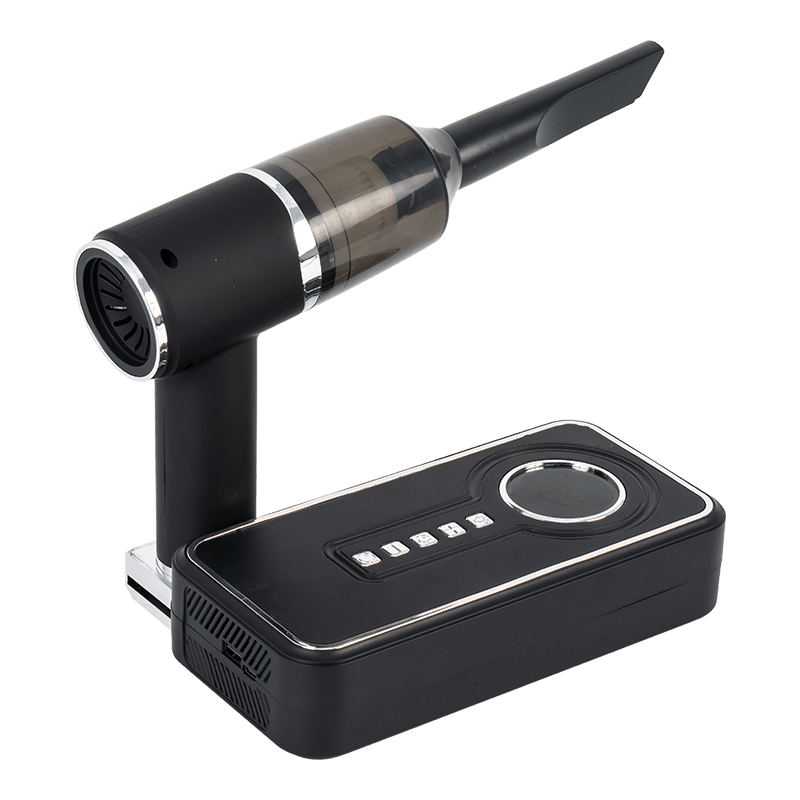
Multi-function tools earn their place by replacing two or three single-purpose items. A jump starter with a built-in compressor replaces a separate battery booster, an air compressor, and sometimes a power bank. A combined tire inflator and vacuum cleaner can serve both roadside recovery and interior cleanup in the same vehicle.
Maintenance separates a good pack from a forgotten one. Set a schedule and stick to it:
- Rotate food every six months.
- Replace expired medications once a year.
- Test batteries and chargers quarterly.
- Recheck clothing sizes and weight every season.
A bug out pack is not a one-time purchase. It is a system that needs regular attention to stay useful.
Final decisions that make the pack work
Choose a pack size around what you can actually carry, not what fits the most gear. A 20-25 liter bag works for most 72-hour scenarios if you use multi-function equipment. A 40-liter bag will hold more, but it also weighs more and becomes a burden when you are carrying it for more than a mile.
Build the pack around the worst credible scenario in your area. In hurricane country, that means water, documents, and power. In a cold climate, that means insulation and a stove that works in negative temperatures. In a region with frequent traffic delays, that means roadside tools and visibility gear.
The last step is a test run. Pack everything, put the bag on your back, and walk for twenty minutes. If the straps dig in or the weight pulls, adjust the load. That twenty-minute walk reveals more about a pack than a checklist alone.

Recommended Products
Latest News

Contact Us
LET'S START COLLABORATING
Jialiang Electrical Appliance develops high-quality automotive and household products, including inflators, vacuum cleaners, bottle warmers, and small appliances. We aim to enhance daily life with innovative, user-focused solutions.
Product
Jump Starter and Air Compressor Solar LED Reflective Warning Triangle Light Wireless Mini Vacuum Cleaner Baby Milk Shaker Foam SprayerSTAY CONNECTED
 +86 13956690933
 [email protected]
[email protected]
 No. 67, Mojian Hill, Ditang Street, Yuyao City, Ningbo City, Zhejiang Province, China.
MOBILE
Copyright © Yuyao Jialiang Electrical Appliance Co., Ltd. All Rights
Reserved
 Custom Electric Household Appliances Manufacturers