


 русский
  Español
  عربى
عربى 
Why is the Solar LED Reflective Triangle the New Standard for Preventing Secondary Roadside Accidents?
 2026.04.30
 Industry News
Content
- 1 1. What Is a Solar Smart Emergency Triangle
- 2 2. Core Components and Working Principle
- 3 3. Smart Features That Improve Roadside Safety
- 4 4. Practical Benefits of a Solar Smart Emergency Triangle
- 5 5. Recommended Usage Guidelines
- 6 6. Common Use Cases
- 7 7. How to Choose a Solar Smart Emergency Triangle
- 8 8. Maintenance and Care Tips
- 9 9. Future Trends in Roadside Safety Devices
A solar smart emergency triangle is a modern roadside safety device that combines the traditional reflective warning triangle with solar charging capability and intelligent lighting features. Designed to alert other drivers during breakdowns, accidents, or roadside stops, this type of device offers a self powered, highly visible alternative to traditional folding warning triangles. This article examines the working principles, key features, practical benefits, usage guidelines, and selection criteria for a solar smart emergency triangle, helping drivers understand how this device contributes to roadside safety.
1. What Is a Solar Smart Emergency Triangle
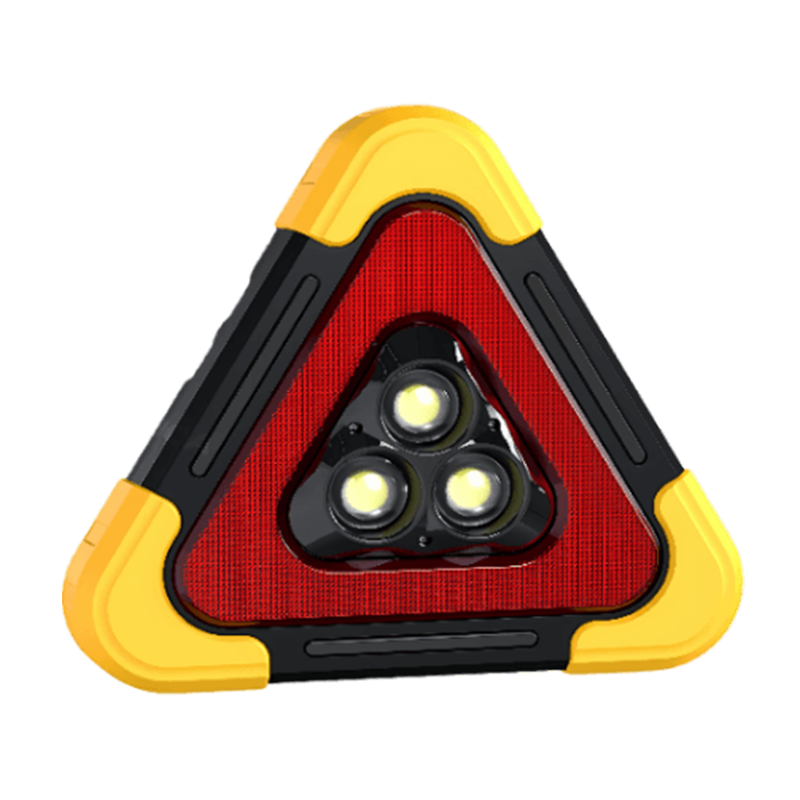
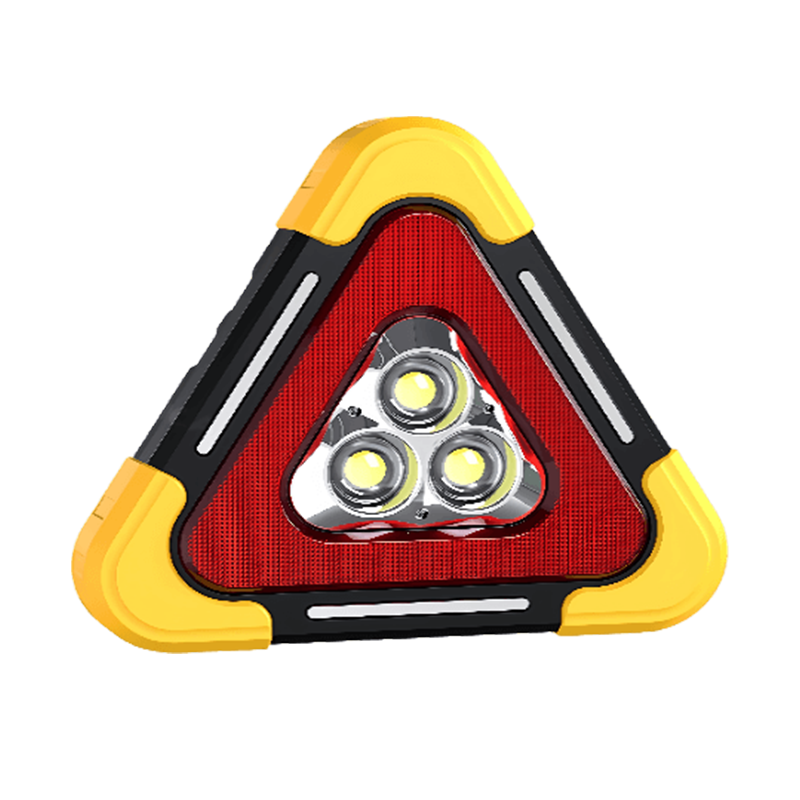
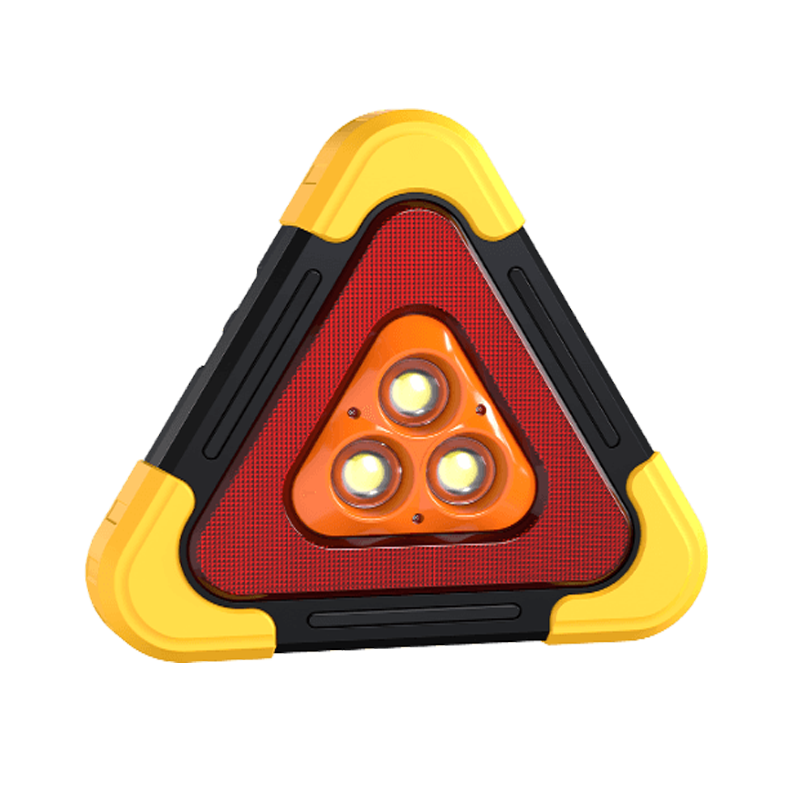
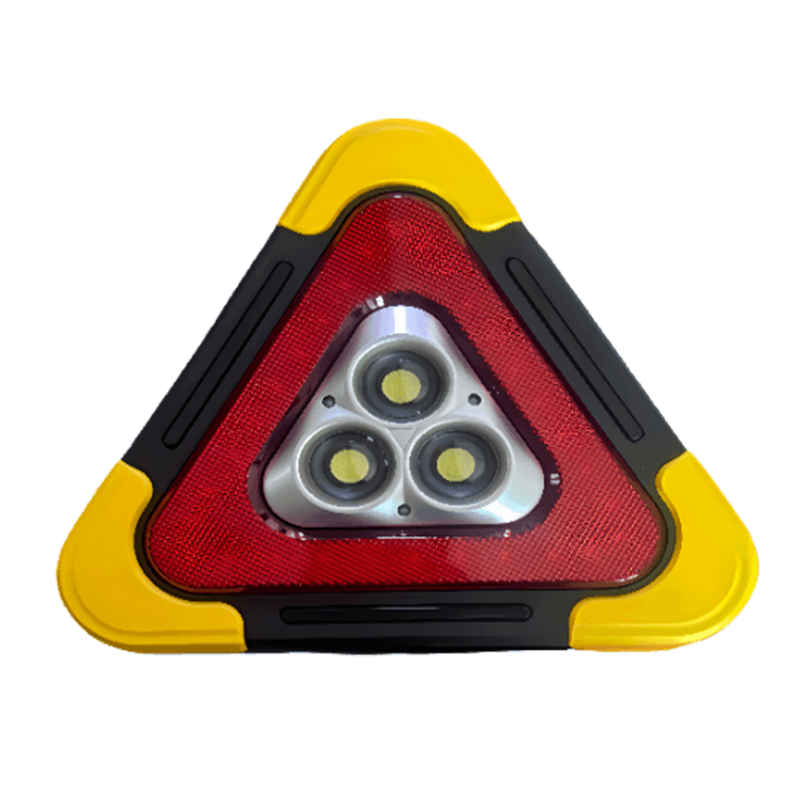
A solar smart emergency triangle is a portable warning device shaped like a traditional triangular hazard sign but enhanced with built in LED lighting, a rechargeable battery, and a small solar panel for self charging. Unlike conventional reflective triangles that rely solely on passive reflection from headlights, a solar smart version actively emits light, making it more visible from a greater distance, especially in low visibility conditions such as nighttime, fog, or heavy rain. The term smart typically refers to additional features such as multiple flashing patterns, automatic light sensing, and energy efficient operation that extends battery life.
1.1 Differences from Traditional Warning Triangles
Traditional warning triangles depend entirely on reflective material to bounce light from approaching vehicle headlights back toward drivers, which means their visibility can be limited in certain angles or weather conditions. A solar smart emergency triangle, by contrast, generates its own light source through LED elements, providing consistent visibility regardless of headlight angle, while the solar panel allows the device to recharge automatically during daylight hours, reducing dependence on manual charging or battery replacement.
2. Core Components and Working Principle
A solar smart emergency triangle typically integrates several functional components that work together to provide reliable, long lasting roadside warning capability.
| Component | Function | Smart Feature |
|---|---|---|
| Solar panel | Converts sunlight into electrical energy for charging | Automatic charging during daylight exposure |
| Rechargeable battery | Stores energy for use during nighttime or low light conditions | Long standby time with low power consumption design |
| LED light array | Provides active illumination for high visibility | Multiple flashing modes including steady and strobe patterns |
| Light sensor | Detects ambient brightness levels | Automatic activation in low light or dark conditions |
| Foldable triangle frame | Provides a stable, recognizable warning shape | Collapsible design for compact storage |
| USB charging port | Allows manual charging when solar power is insufficient | Backup charging option for extended cloudy periods |
2.1 How the Solar Charging System Works
The solar panel mounted on the surface of the triangle absorbs sunlight throughout the day and converts it into electrical energy, which is then stored in the internal rechargeable battery. This stored energy powers the LED lights during use, particularly at night or in low visibility situations, allowing the device to operate without needing to be plugged into a vehicle or external power source on a regular basis.
3. Smart Features That Improve Roadside Safety
Beyond basic illumination, a solar smart emergency triangle often includes several intelligent features designed to enhance both visibility and ease of use during stressful roadside situations.
3.1 Multiple Flashing Patterns
Many models offer a selection of lighting modes, such as steady light, slow flash, and rapid strobe, allowing drivers to choose the pattern best suited to current visibility conditions or personal preference.
3.2 Automatic Light Sensing
Some solar smart emergency triangles include ambient light sensors that automatically activate the LED lights when darkness is detected, reducing the need for manual operation and ensuring the device remains visible without constant attention.
3.3 Foldable and Compact Design
Most units are designed to fold flat for storage in a vehicle trunk or glove compartment, and can be quickly unfolded and set up on the roadside within seconds, which is particularly valuable during urgent situations.
3.4 Dual Power Source
In addition to solar charging, many devices include a USB charging port as a backup power option, ensuring the triangle remains functional even after extended periods without direct sunlight exposure.
Because visibility is critical during roadside emergencies, it is generally recommended to position a solar smart emergency triangle at a safe distance behind the vehicle, following local traffic regulations regarding placement distance and reflective warning requirements.
4. Practical Benefits of a Solar Smart Emergency Triangle
Compared with traditional reflective only warning triangles, a solar smart version offers several practical advantages that can improve roadside safety outcomes.
4.1 Enhanced Visibility
Active LED lighting significantly improves how far away and how clearly approaching drivers can spot the warning device, particularly during nighttime hours, fog, heavy rain, or other low visibility weather conditions.
4.2 Self Sustaining Power Supply
Solar charging reduces reliance on disposable batteries or frequent manual recharging, meaning the device can remain ready for use over extended periods, even if it has not been used recently.
4.3 Quick Deployment
The foldable design and lightweight construction allow drivers to quickly set up the warning triangle after a breakdown or accident, helping alert other road users as soon as possible.
4.4 Versatility Beyond Vehicles
Beyond standard roadside use, a solar smart emergency triangle can also serve as a general purpose warning light during outdoor activities, construction zones, or other situations requiring visible hazard signaling.
A fully charged solar smart emergency triangle can often provide several hours of continuous illumination on a single charge, though actual battery life varies depending on the lighting mode selected and the specific model's battery capacity.
5. Recommended Usage Guidelines
Proper placement and usage of a solar smart emergency triangle can help maximize its effectiveness during roadside emergencies.
- Move to a safe location: if possible, move the vehicle to the shoulder or a safe area away from traffic flow before exiting.
- Activate the warning light: turn on the LED lighting before placing the triangle, especially in low visibility conditions.
- Position at a safe distance: place the triangle a sufficient distance behind the vehicle to give approaching drivers adequate warning time.
- Select an appropriate flashing mode: choose a pattern that offers strong visibility based on weather and lighting conditions.
- Retrieve safely when leaving: when it is time to move the vehicle, retrieve the triangle carefully while watching for approaching traffic.
6. Common Use Cases
A solar smart emergency triangle is useful in a variety of roadside and outdoor scenarios.
- Signaling vehicle breakdowns on highways or rural roads.
- Marking accident scenes to alert approaching traffic.
- Providing visibility during tire changes or minor roadside repairs.
- Serving as a backup light source during nighttime emergencies.
- Supporting visibility around temporary hazards such as construction work or fallen debris.
7. How to Choose a Solar Smart Emergency Triangle
Selecting the right solar smart emergency triangle depends on several practical considerations.
- Battery capacity and standby time: a larger battery generally supports longer operation between charges.
- Brightness level: higher lumen output improves visibility, particularly in poor weather conditions.
- Build durability: a sturdy, weather resistant frame helps the device withstand outdoor exposure and repeated use.
- Portability: a lightweight, foldable design makes storage and quick deployment easier.
- Charging options: dual solar and USB charging provides added reliability in varying weather conditions.
8. Maintenance and Care Tips
To keep a solar smart emergency triangle functioning reliably, the solar panel surface should be kept clean and free of dust or debris to maintain efficient charging. The device should be stored in a dry location when not in use, and the battery should be checked periodically, particularly before long road trips, to confirm it is holding a sufficient charge. If the unit includes a USB charging option, topping up the battery occasionally during extended periods of limited sunlight can help ensure it remains ready for use.
9. Future Trends in Roadside Safety Devices
As solar technology and LED efficiency continue to improve, solar smart emergency triangles are likely to become even more capable and widely adopted roadside safety tools.
- More efficient solar cells that charge faster under limited light conditions.
- Brighter, more energy efficient LED arrays with extended battery life.
- Integration with smartphone apps for remote activation or status monitoring.
- Lighter, more compact designs that improve ease of storage and transport.
- Enhanced weather resistance for reliable performance in extreme conditions.
Overall, the solar smart emergency triangle represents a meaningful advancement over traditional reflective warning triangles, combining self sustaining solar power with active LED visibility to improve roadside safety. As more drivers adopt this type of device, it is likely to play an increasingly important role in reducing secondary accidents and improving response times during roadside emergencies.

Recommended Products
Latest News

Contact Us
LET'S START COLLABORATING
Jialiang Electrical Appliance develops high-quality automotive and household products, including inflators, vacuum cleaners, bottle warmers, and small appliances. We aim to enhance daily life with innovative, user-focused solutions.
Product
Jump Starter and Air Compressor Solar LED Reflective Warning Triangle Light Wireless Mini Vacuum Cleaner Baby Milk Shaker Foam SprayerSTAY CONNECTED
 +86 13956690933
 [email protected]
[email protected]
 No. 67, Mojian Hill, Ditang Street, Yuyao City, Ningbo City, Zhejiang Province, China.
MOBILE
Copyright © Yuyao Jialiang Electrical Appliance Co., Ltd. All Rights
Reserved
 Custom Electric Household Appliances Manufacturers