


 русский
  Español
  عربى
عربى 
Why is a Rechargeable Electric Foam Sprayer the Smart Upgrade for High-Efficiency Car Washing and Gardening?
 2026.07.13
 Industry News
Content
- 1 What Is a Rechargeable Electric Foam Sprayer
- 2 How Foam Based Washing Supports Eco Friendly Detailing
- 3 Core Components and How the Technology Works
- 4 Comparing Foam Sprayers to Traditional Washing Methods
- 5 Step by Step Eco Friendly Detailing Process
- 6 Choosing an Eco Friendly Car Wash Soap
- 7 The Wellness Dimension of Mindful Car Care Routines
- 8 Maintenance and Care for Long Term Performance
- 9 Common Mistakes to Avoid
- 10 Choosing the Right Foam Sprayer for Your Needs
- 11 Frequently Asked Questions
- 12 Final Thoughts
Car care has quietly evolved over the past decade, moving away from wasteful, hose heavy washing routines toward smarter, more sustainable methods that conserve water and reduce chemical runoff without sacrificing results. At the center of this shift sits the rechargeable electric foam sprayer, a compact tool that has changed the way enthusiasts and everyday drivers approach eco friendly car detailing. This guide explores how these devices work, why they matter for environmental responsibility, and how the simple act of a calm, methodical car care routine can meaningfully support personal wellness in ways many people overlook.
What Is a Rechargeable Electric Foam Sprayer
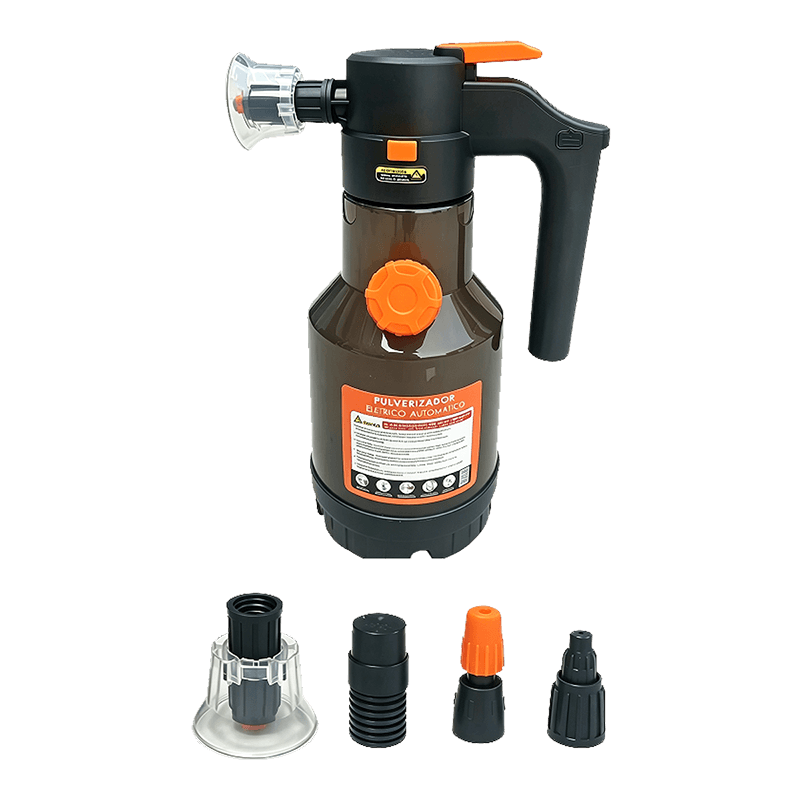
A rechargeable electric foam sprayer is a battery powered device designed to mix water with car wash soap and dispense the resulting mixture as a thick, clinging foam rather than a thin liquid spray. Unlike traditional pressure washers that rely on a continuous water hose connection and consume large volumes of water, these compact units use an internal battery, a small water reservoir, and an air injection system to generate rich foam using significantly less water and cleaning solution.
The rechargeable aspect is central to the appeal of these devices. Rather than requiring a constant power cord or dedicated air compressor, a fully charged unit can operate independently for an entire detailing session, making it far more versatile than corded alternatives. This portability allows users to wash vehicles in driveways, garages, or even remote locations without direct access to electrical outlets, while still achieving the deep cleaning benefits associated with foam based washing methods.
How Foam Based Washing Supports Eco Friendly Detailing
Traditional car washing methods, particularly those relying on a running garden hose, can consume a surprising amount of water in a single session, often exceeding what most people realize until they measure it directly. Foam based washing dramatically reduces this consumption by using a concentrated soap and water mixture that clings to the vehicle surface, allowing dirt and grime to be lifted and suspended within the foam itself rather than requiring continuous water flow to achieve the same cleaning effect.
This concentrated approach means less water is needed overall, less soap runs directly into storm drains untreated, and the entire washing process becomes noticeably more efficient. For environmentally conscious car owners, this reduction in water waste and chemical runoff represents a meaningful step toward more sustainable personal habits, particularly in regions facing water conservation challenges or strict local regulations regarding residential car washing runoff.
Key insight: Foam clings to vertical surfaces and dwells on the vehicle far longer than a simple water spray, allowing dirt to loosen more effectively with less mechanical scrubbing and significantly less total water usage per wash session.
Core Components and How the Technology Works
Rechargeable Battery System
Most units rely on lithium ion battery packs that provide sufficient runtime for a full vehicle detailing session on a single charge, with charging typically completed through a standard USB or wall outlet connection between uses.
Water and Soap Reservoir
An internal tank holds a pre mixed solution of water and car wash soap, eliminating the need for separate hose attachments or dilution steps during the actual washing process.
Air Injection Foam Generation
A small internal pump introduces air into the water and soap mixture as it passes through a specialized nozzle, creating the thick, clinging foam texture that distinguishes these sprayers from simple spray bottles or basic pressure washers.
Adjustable Foam Density Controls
Many models include settings that allow users to adjust foam thickness depending on the level of grime being addressed, from light maintenance washes to heavier cleaning after off road driving or extended winter road salt exposure.
Ergonomic, Lightweight Design
Because these units are meant to be held throughout the washing process, manufacturers prioritize lightweight construction and comfortable grip design to reduce arm fatigue during extended detailing sessions.
Comparing Foam Sprayers to Traditional Washing Methods
| Method | Typical Water Usage | Environmental Impact |
|---|---|---|
| Standard garden hose washing | High, continuous flow | Significant water waste and chemical runoff |
| Traditional pressure washer | Moderate to high | Reduced waste compared to hose, still water intensive |
| Rechargeable electric foam sprayer | Low, concentrated use | Minimal runoff with efficient soap and water use |
| Waterless detailing spray | Minimal to none | Lowest water impact, less effective on heavy grime |
While waterless detailing sprays offer the lowest possible water usage, they are generally less effective on heavily soiled vehicles. A rechargeable electric foam sprayer strikes a practical balance, delivering meaningful cleaning power for genuinely dirty vehicles while still using a fraction of the water required by conventional hose based washing.
Step by Step Eco Friendly Detailing Process
- Rinse the vehicle briefly using a low flow attachment or bucket to remove loose surface dirt before applying foam.
- Fill the foam sprayer reservoir with a properly diluted, biodegradable car wash soap solution according to manufacturer instructions.
- Apply a generous, even layer of foam across the entire vehicle surface, working from the top down to allow gravity to assist the cleaning process.
- Allow the foam to dwell on the surface for several minutes, giving the cleaning agents time to loosen dirt and grime without requiring aggressive scrubbing.
- Use a soft microfiber mitt to gently agitate stubborn areas, working in straight lines rather than circular motions to minimize the risk of surface scratching.
- Rinse the vehicle using a minimal, controlled water flow, ideally through a low flow nozzle attachment rather than an open hose.
- Dry the vehicle promptly using a clean microfiber towel or air blower to prevent water spotting and reduce overall water waste from evaporation.
Practical tip: Washing your vehicle on a permeable surface such as gravel or grass, rather than a paved driveway connected directly to storm drains, further reduces the environmental impact of any residual runoff during the rinsing stage.
Choosing an Eco Friendly Car Wash Soap
The environmental benefits of a foam sprayer are significantly enhanced when paired with a genuinely biodegradable, phosphate free car wash soap. Many conventional soaps contain harsh chemicals that can harm aquatic ecosystems if they enter storm drains or nearby waterways. When selecting a soap for use with a foam sprayer, consider these factors:
- Look for products specifically labeled as biodegradable and free from phosphates, which can contribute to harmful algae blooms in local waterways.
- Choose pH balanced formulas that clean effectively without stripping protective wax coatings or damaging vehicle finishes over repeated use.
- Favor concentrated formulas that require less product per wash, reducing overall packaging waste and shipping related emissions.
- Check for third party environmental certifications when available, which provide additional assurance regarding the product's ecological impact.
The Wellness Dimension of Mindful Car Care Routines
It might seem unusual to connect a car washing tool to personal wellness, yet the relationship becomes clearer when examined through the lens of mindful, intentional routines. Many people experience car detailing not simply as a chore, but as a genuinely calming, almost meditative activity, particularly when the process is unhurried and free from the frustration of tangled hoses, excessive water pressure, or wasted effort re washing areas that were not properly cleaned the first time.
A rechargeable electric foam sprayer, precisely because it is lightweight, cordless, and easy to control, removes many of the small frustrations that can turn a potentially relaxing task into a stressful chore. This shift from frustration to ease is not a trivial detail. Psychological research on everyday activities consistently shows that tasks performed with well designed, dependable tools tend to feel more satisfying and less taxing than the same tasks performed with awkward or unreliable equipment, even when the underlying activity remains identical.
A Meditative Outdoor Activity
Washing a car outdoors, in natural light and fresh air, shares many qualities with other recognized stress reducing activities such as gardening or walking. The repetitive, methodical motion of applying foam and gently wiping down a vehicle surface can encourage a calm, focused mental state, similar to the flow experienced during other hands on, rhythmic tasks. Removing the friction of managing heavy hoses or excessive water pressure allows this calming quality to emerge more naturally.
Reduced Physical Strain
Traditional pressure washers can be heavy and cumbersome, often requiring users to manage awkward hose lengths and significant recoil force during operation. A lightweight, cordless foam sprayer reduces this physical burden considerably, making the task more accessible for individuals who might otherwise avoid regular vehicle maintenance due to physical discomfort, including older adults or those managing minor mobility limitations.
A Sense of Accomplishment and Environmental Responsibility
Completing a task that is both practically useful and environmentally responsible often produces a distinct sense of satisfaction. Knowing that a car washing routine uses less water and reduces harmful runoff can contribute to a broader sense of alignment between personal habits and environmental values, which research on eco conscious behavior associates with improved overall life satisfaction and reduced eco anxiety, a form of stress related specifically to environmental concerns.
Encouraging Regular, Low Stress Maintenance Habits
When a task becomes easier and more pleasant, people tend to perform it more consistently. Regular, gentle car maintenance, made simpler through an efficient foam sprayer, can replace the pattern of infrequent, high effort washing sessions with a calmer, more sustainable maintenance rhythm. This shift mirrors broader wellness principles that favor consistent, moderate effort over sporadic, high intensity bursts of activity, whether applied to exercise, household tasks, or personal care routines.
Time Outdoors and Natural Light Exposure
Car detailing performed outdoors provides an opportunity for natural light exposure and light physical activity, both of which are associated with improved mood and better regulation of the body's natural sleep wake cycle. A tool that makes this outdoor task more enjoyable indirectly supports these broader wellness benefits by encouraging more frequent time spent outside.
Wellness is often found in the small, repeated choices that shape daily life. A well designed, efficient tool that transforms a chore into a calm, satisfying outdoor activity contributes to wellbeing in a way that is easy to overlook, yet genuinely meaningful over time.
Maintenance and Care for Long Term Performance
- Rinse the reservoir and internal components with clean water after each use to prevent soap residue buildup that can affect foam quality over time.
- Store the unit in a cool, dry location away from direct sunlight to protect the battery and internal electronic components.
- Charge the battery fully before extended storage periods and periodically during long term storage to maintain overall battery health.
- Inspect the nozzle and air injection components periodically for clogs or mineral buildup, particularly in areas with hard water.
- Replace worn seals or gaskets promptly to maintain proper foam consistency and prevent leaks during operation.
Common Mistakes to Avoid
Using Incompatible Soap Formulas
Not all car wash soaps are designed to foam properly through an electric sprayer. Using an incompatible formula can result in thin, ineffective foam that fails to properly loosen dirt and grime.
Skipping the Initial Rinse
Applying foam directly to a heavily soiled surface without a preliminary rinse can trap abrasive dirt particles against the paint during the wiping stage, increasing the risk of surface scratching.
Allowing the Foam to Dry Before Rinsing
Foam left on the vehicle surface for too long, particularly in direct sunlight, can dry and become difficult to remove, potentially leaving residue or streaking on the finish.
Neglecting Battery Maintenance
Allowing the battery to fully deplete repeatedly, or storing the unit for extended periods without charging, can shorten overall battery lifespan and reduce runtime capacity over time.
Overlooking Water Runoff Location
Even with reduced water usage, washing directly on a paved surface connected to storm drains still allows some soap residue to enter local waterways. Choosing a permeable washing location further reduces environmental impact.
Choosing the Right Foam Sprayer for Your Needs
Selecting the ideal rechargeable electric foam sprayer depends on your specific detailing habits and priorities. Consider the following questions before purchasing:
- How large is your vehicle, and does the reservoir capacity support a full wash without needing to be refilled mid session
- What is the typical battery runtime, and does it comfortably cover your usual detailing routine
- Does the unit offer adjustable foam density settings for handling both light maintenance washes and heavier grime removal
- How lightweight and ergonomic is the design, particularly if you anticipate extended use or have any physical comfort considerations
- Is the unit compatible with a wide range of biodegradable, eco friendly soap formulas
Thoughtfully answering these questions leads to a purchase that genuinely fits your lifestyle, ensuring the tool becomes a consistent part of your routine rather than an underused item left in storage.
Frequently Asked Questions
How much water does a rechargeable foam sprayer actually save compared to a hose
While exact savings vary by model and washing habits, foam based methods generally use significantly less water than continuous hose flow, since the concentrated foam allows for effective cleaning with minimal rinsing.
Can these sprayers be used with any car wash soap
Most units perform best with soap formulas specifically designed for foam generation. Always check manufacturer recommendations to ensure compatibility and optimal foam quality.
How long does a full battery charge typically last
Runtime varies by model and foam density settings, though many units are designed to comfortably complete a full vehicle wash on a single charge under normal usage conditions.
Are these sprayers effective for heavily soiled vehicles
Yes, particularly when the foam is allowed adequate dwell time before rinsing, though extremely heavy grime such as caked mud may still benefit from a brief preliminary rinse before foam application.
Final Thoughts
A rechargeable electric foam sprayer represents a small but meaningful shift toward more sustainable personal habits, reducing water waste and harmful chemical runoff while still delivering genuinely effective vehicle cleaning results. Beyond its environmental benefits, this simple tool also transforms a routine chore into a calmer, more satisfying activity, removing the physical strain and frustration often associated with traditional washing methods. In doing so, it quietly supports both ecological responsibility and personal wellbeing, proving that thoughtful, well designed tools can make even the smallest daily habits feel more aligned with the values of health, mindfulness, and care for the world around us.

Recommended Products
Latest News

Contact Us
LET'S START COLLABORATING
Jialiang Electrical Appliance develops high-quality automotive and household products, including inflators, vacuum cleaners, bottle warmers, and small appliances. We aim to enhance daily life with innovative, user-focused solutions.
Product
Jump Starter and Air Compressor Solar LED Reflective Warning Triangle Light Wireless Mini Vacuum Cleaner Baby Milk Shaker Foam SprayerSTAY CONNECTED
 +86 13956690933
 [email protected]
[email protected]
 No. 67, Mojian Hill, Ditang Street, Yuyao City, Ningbo City, Zhejiang Province, China.
MOBILE
Copyright © Yuyao Jialiang Electrical Appliance Co., Ltd. All Rights
Reserved
 Custom Electric Household Appliances Manufacturers