


 русский
 Español
 عربى

Best Ways to Clean a Windshield Inside and Out: Streak-Free Steps That Work
 2026.09.25
 Industry News
Content
- 1 Why the Windshield Films Over Faster Than the Rest of the Car
- 2 What to Have Ready Before You Start
- 3 Before You Wipe: Clear the Dust Out of the Cabin
- 4 Cleaning the Outside of the Windshield, Step by Step
- 5 Cleaning the Inside of the Windshield Without Streaks
- 6 The Mistakes That Keep Streaks Coming Back
- 7 Keeping the Glass Clean Between Deep Cleans
Greasy haze that returns two weeks after every wash, glare that smears across the glass the moment oncoming headlights appear, wiper blades that chatter instead of clearing — these are the symptoms of a windshield that gets wiped but never really cleaned. The best way to clean a windshield is not a stronger product; it is a short set of habits: work on cool glass in the shade, use two separate microfiber towels with an ammonia-free cleaner, cut the oily interior film with diluted isopropyl alcohol, and keep cabin dust down so the film rebuilds in months rather than days.
The reason a single spray-and-wipe keeps failing is that the two sides of the glass get dirty in different ways. The exterior collects road film, bugs, sap, and wax residue from automatic washes. The interior collects a vapor film released by the dashboard and trim, which traps dust and turns into the haze you see against the sun. Each side needs its own method.
Why the Windshield Films Over Faster Than the Rest of the Car
Inside the cabin, plastics are the problem. Vinyl dashboards and trim release plasticizer vapors slowly, especially in heat, and those vapors condense on the largest cool glass surface in the car. The film is tacky, so dust from the vents and floor sticks to it, and every run of the fan feeds it more. Smoking inside accelerates the process to the point where glass can haze over within weeks.
Outside, the windshield faces bonded contaminants. Insect residue bakes on in summer, sap and tar cling through rain, and hard-water spots form when mist dries on hot glass. Automatic washes add wax and silicone residue that transfers to the wiper blades and smears across the glass the first time it drizzles. None of this responds to a quick spray, which is why each problem gets its own treatment below.
What to Have Ready Before You Start
Conclusion first: you need fewer products than the store aisle suggests, but the condition of the towels matters more than the choice of cleaner. Build the kit around these items:
- Two to four fresh microfiber towels, washed without fabric softener, which leaves a coating that smears glass
- An ammonia-free automotive glass cleaner, safe on tinted windows and trim
- Isopropyl alcohol diluted roughly 1:1 with distilled water, for cutting the interior grease film
- A bucket of plain water for the pre-rinse
- A plastic razor and a glass-safe tar and sap remover for bonded spots
- A compact vacuum for the dashboard, vents, and seat rails, so dust stops cycling onto the glass
For that last item, wireless mini vacuum cleaners sized for car cabins reach between vent louvers and along seat rails where household machines cannot fit. The point is less the tool than the habit: dust removed from the cabin never lands on the film.
The table below matches each common problem to the method that actually removes it, so you are not using the same wipe for every symptom:
| Problem | What it actually is | What removes it |
|---|---|---|
| Interior haze and smears | Plasticizer vapor film with trapped dust | Alcohol-dampened microfiber, light pressure, straight passes |
| Rainbow streaks after cleaning | Cleaner evaporating on warm glass or a reused towel face | Work in shade, flip to a fresh towel face every pass |
| Bugs, sap, and tar | Protein and resin bonded to the surface | Soak, lift with a plastic razor at a low angle, re-clean |
| Wiper lines and chatter | Wax or rubber residue on the blade edge | Wipe the edge with alcohol; replace blades past six months |
Before You Wipe: Clear the Dust Out of the Cabin
Interior streaks usually begin on the dashboard, not on the glass. Air moving across the dash and through the vents lifts dust and throws it at the windshield, where it sticks to the tacky film. Vacuuming the dash seams, vents, floor lines, and seat rails first removes the source, and it stops dry grit from being dragged across the glass while you wipe. If you are weighing whether a dedicated unit is worth it, this overview of how a car and home vacuum cleaner handles everyday cabin dirt explains where they excel and where they do not.
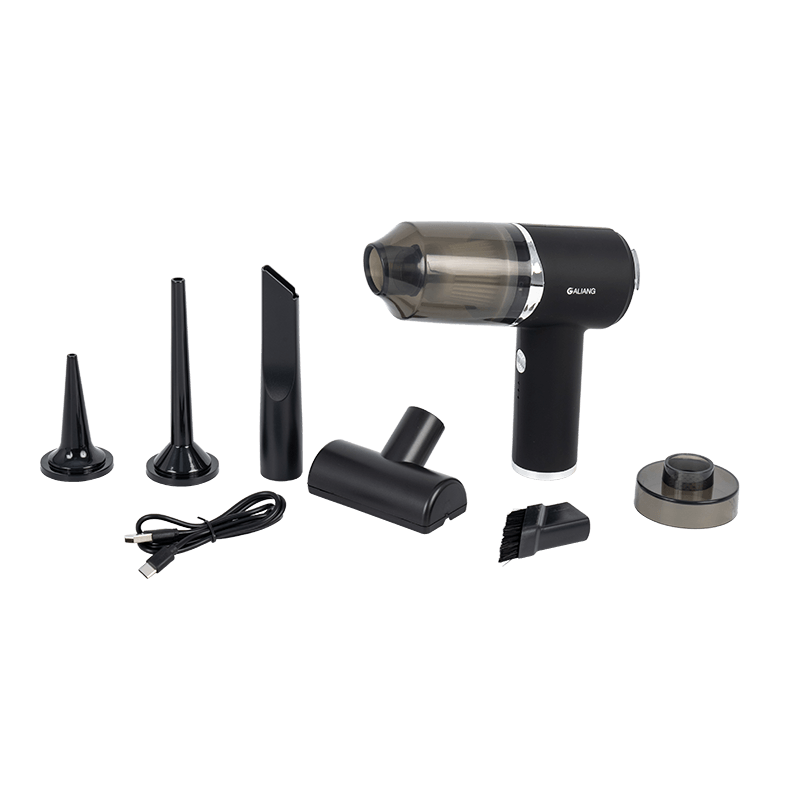
 JL-003 Portable Wireless Mini Vacuum Cleaner for CarThe JL-003 Portable Wireless Mini Vacuum Cleaner for Cars combines powerful suction with lightweight portability. The body features a durable and stylish design with a...View Product →
Two or three minutes of vacuuming does more for streak-free glass than any cleaner sprayed afterwards, because a dust-free surface needs far less liquid to wipe — and less liquid is what prevents smears.
Cleaning the Outside of the Windshield, Step by Step
Work through the exterior in this order; the sequence matters more than any single step.
- Park in the shade and test the glass with the back of your hand. Cleaner evaporating faster than you can wipe it is the direct cause of rainbow streaks.
- Rinse the whole glass with plain water so grit floats off instead of scratching the surface under your towel.
- Spray the cleaner onto cool glass, or onto the towel if the glass is even slightly warm.
- Wipe in straight, overlapping passes from top to bottom, unfolding to a fresh towel face for each pass.
- Buff dry with a second towel before the cleaner can air-dry on its own.
- Treat bonded spots separately: soak bug residue or sap, lift with a plastic razor at a low angle, then re-clean the area.
- Inspect at a low angle from the driver's seat — streaks hide from a straight-on view and show at shallow angles.
Cleaning the Inside of the Windshield Without Streaks
Two rules override everything else on the interior side: never spray glass directly inside the cabin, and use less liquid than feels natural.
- Go over the whole glass with a dry microfiber towel first to lift loose dust.
- Spray the cleaner or alcohol mix onto a folded towel, never onto the glass — direct mist lands on the dash, the head unit, and the camera and sensor housings many cars mount behind the mirror.
- Wipe in straight horizontal passes with the damp towel, letting the alcohol dissolve the grease film rather than pushing it around. Fold to a fresh face as soon as the towel loads up.
- Brace the back of your hand against the dash for the low band and use a vertical pass there; this strip collects the thickest film.
- Finish with the dry towel and a light buff, then check from outside against the sky.
Keep one trick in mind: horizontal strokes inside, vertical strokes outside. Any streak that survives inspection tells you by its direction which side it is on.
The Mistakes That Keep Streaks Coming Back
Most recurring haze traces back to one of these habits:
- Paper towels and old clothing, which shed lint and hold residue; fabric washed with softener leaves its own coating
- Reusing the same towel face across passes, which just redistributes the film you lifted
- Cleaning hot glass in direct sun, where cleaner flashes off before it dissolves anything
- Ammonia-based cleaners, which dry out tint film and are harsh on vinyl trim
- Dashboard gloss sprays used near the top of the dash, whose vapors migrate straight onto the glass and rebuild the film within days
Swap in clean towels, cool the glass, and move the dash spray away from the top edge, and most stubborn streak problems disappear without a change of product.
Keeping the Glass Clean Between Deep Cleans
Habit beats heroics. A weekly vacuum of the dash, vents, and floor lines keeps the dust load low; wiping the wiper blade edges with an alcohol-dampened cloth once a month removes the residue that causes lines; and blades older than six months to a year deserve outright replacement. A water-repellent treatment on a freshly cleaned windshield makes rain visibly easier to see through, and a sunshade in summer slows the heat that drives the vapor film out of the dashboard in the first place.
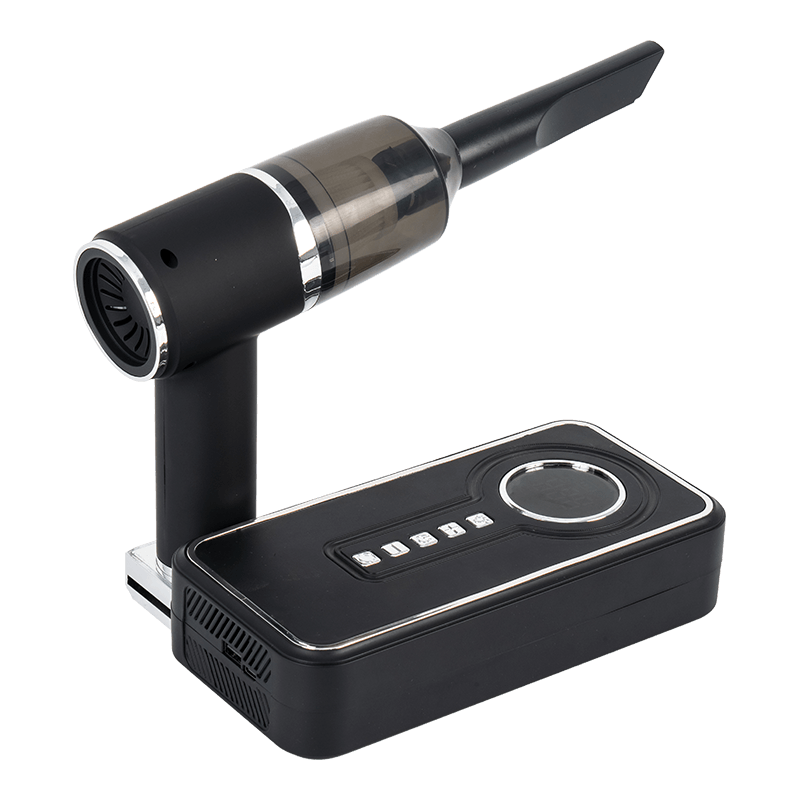
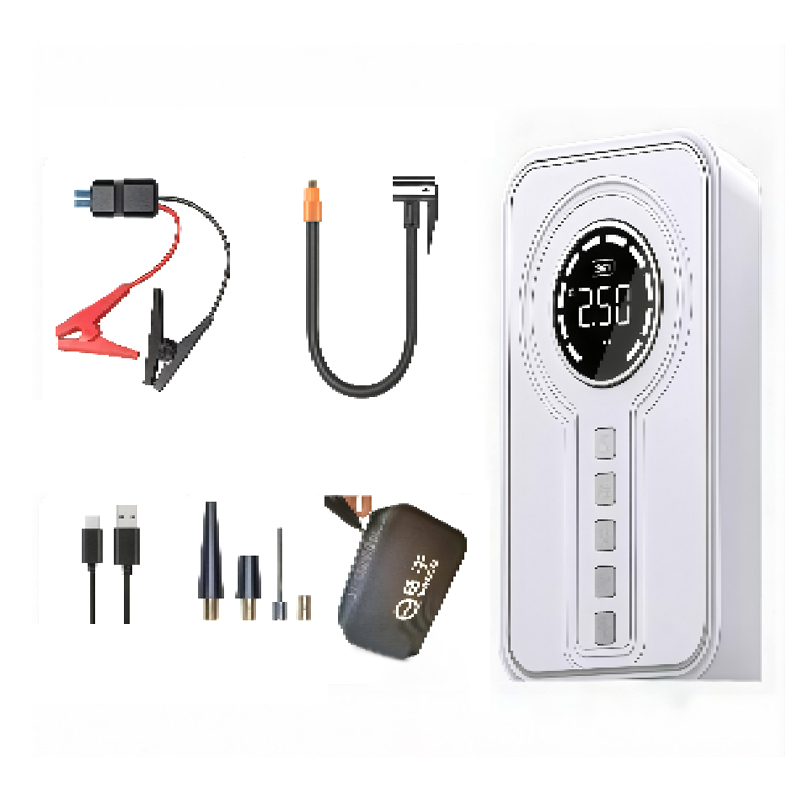
 JL-005 Car-mounted air pump and vacuum cleaner combo machineThe JL-005 Car-mounted air pump and vacuum cleaner combo machine is a high-efficiency car tool that integrates inflation, cleaning, and emergency lighting, designed sp...View Product →
Drivers who keep a compact care kit in the trunk stay ahead of the cycle more easily. A single device that covers cabin vacuuming along with tire pressure top-ups removes most excuses for skipping the routine — and a dust-free cabin is what keeps the windshield clear between proper cleans.
The whole routine comes down to this: vacuum and de-dust the cabin, clean the outside with the two-towel method on cool glass, clean the inside with alcohol-dampened microfiber and light pressure, then hold the habits that stop the film from rebuilding — fresh towels, shaded work, and no glossy sprays near the top of the dash. Nothing here takes more than fifteen minutes, and none of it needs specialty products.
That is the practical answer to the best ways to clean a windshield: treat the two sides as different problems, remove the dust before you wipe, and let the routine rather than the cleaner do the work. A windshield is not a cosmetic surface — every judgment about distance, glare, and lane position passes through it, and ten minutes twice a season is the cheapest visibility upgrade any car gets.

Recommended Products
Latest News
Contact Us
LET'S START COLLABORATING
Jialiang Electrical Appliance develops high-quality automotive and household products, including inflators, vacuum cleaners, bottle warmers, and small appliances. We aim to enhance daily life with innovative, user-focused solutions.
Product
Jump Starter and Air Compressor Solar LED Reflective Warning Triangle Light Wireless Mini Vacuum Cleaner Baby Milk Shaker Foam SprayerSTAY CONNECTED
 +86 13956690933
 [email protected]
 No. 67, Mojian Hill, Ditang Street, Yuyao City, Ningbo City, Zhejiang Province, China.
MOBILE
Copyright © Yuyao Jialiang Electrical Appliance Co., Ltd. All Rights
Reserved
 Custom Electric Household Appliances Manufacturers