


 русский
  Español
  عربى
عربى As China Automotive Electrical Appliances Manufacturers and Automotive Electrical Appliances Factory, Yuyao Jialiang Electric Appliance Co., Ltd. was established in 2022 and is located in Yuyao, Zhejiang, a "National Foreign Trade Transformation and Upgrading Base (Household Appliances)." Leveraging the region's well-developed home appliance industrial chain and mold supply advantages, the company specializes in the research and development, manufacturing, and global sales of automotive electrical appliances and small household appliances. The company's core products include automotive air pumps, car/household vacuum cleaners, and baby bottle mixers and warmers. In addition, it is involved in the production and sale of household appliances, plastic products, and hardware items, as well as import and export trading. As a small enterprise combining R&D with international trade capabilities, the company focuses on providing high-value, cost-effective products. Designed to meet daily household needs and automotive care requirements, its offerings benefit from Yuyao's home appliance cluster, which enables "localized supply and quick response," ensuring strong product quality and timely delivery. Building on Yuyao’s established foundation of home appliance exports to over 150 countries and regions worldwide, the company actively expands into international markets. It is committed to providing global customers with reliable electrical products and customized solutions, gradually establishing a differentiated competitive edge in the automotive aftermarket and maternal-infant small appliance sectors.

Automotive Electrical Appliances Manufacturers
-
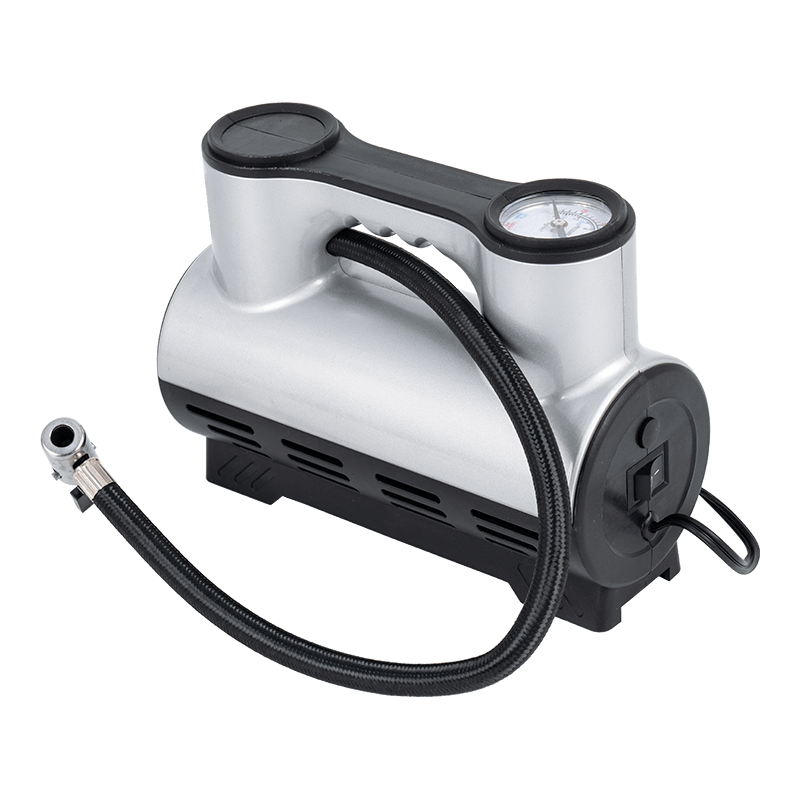 CXF-211 Car Air Pump with PointerThe CXF-211 Car Air Pump with Pointer is a high-efficiency, durable car air pump designed specifical...
 -
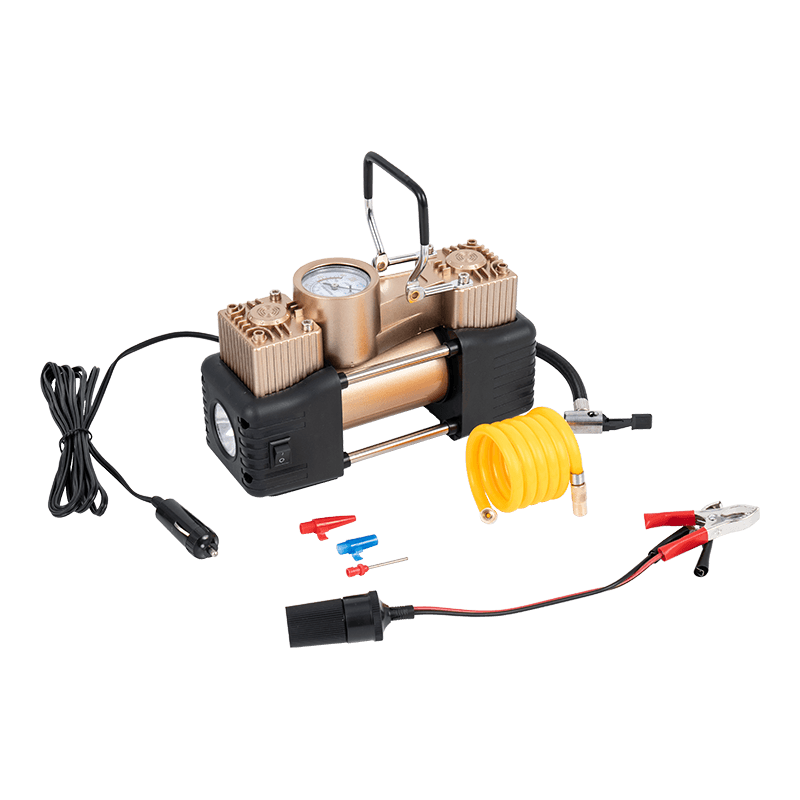 CXF-213 Air Pump with Gold PointerThe CXF-213 Air Pump with Gold Pointer is a high-efficiency, rugged, and beautifully designed car in...
 -
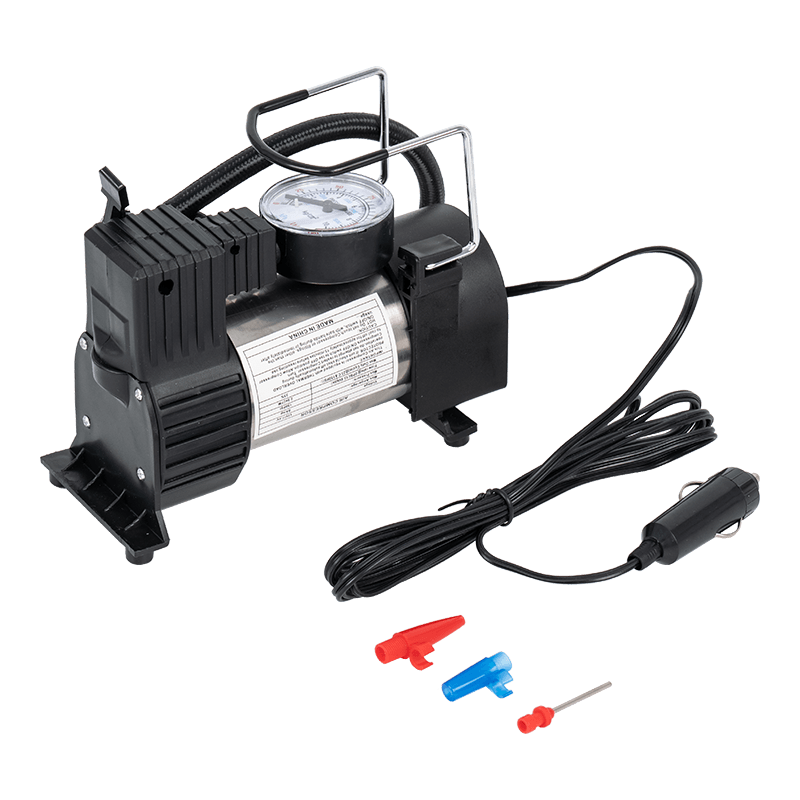 CXF-214 Onboard air pump with pointerThe CXF-214 Onboard Air Pump with Pointer is a high-efficiency and convenient car air pump suitable ...
 -
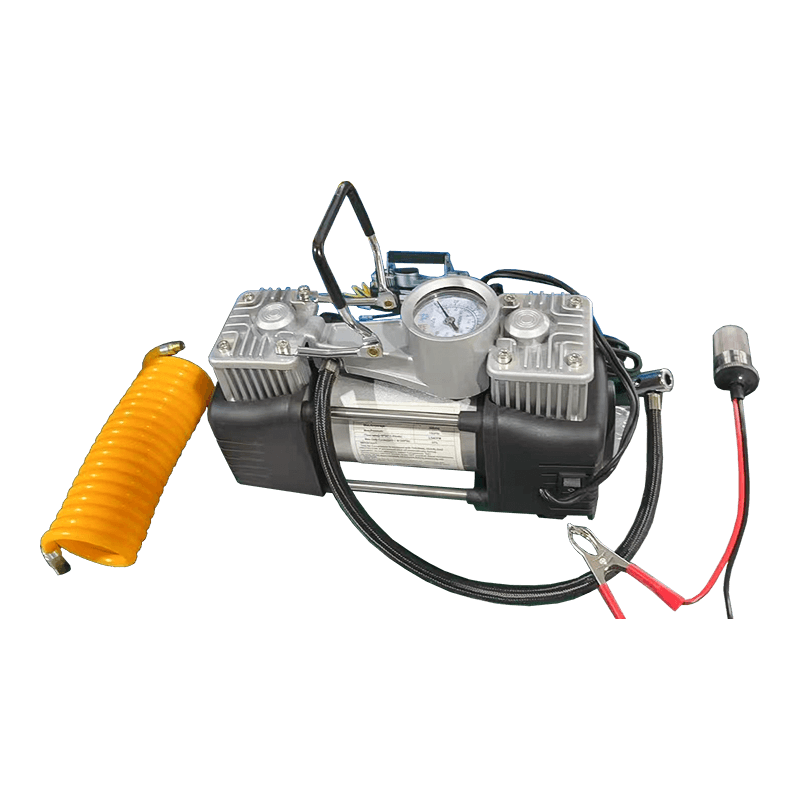 Car air pump with pointer single bar 19 cylinder color box packagingThis car air pump with pointer, single bar, 19 cylinder, and color box packaging is a high-efficienc...
 -
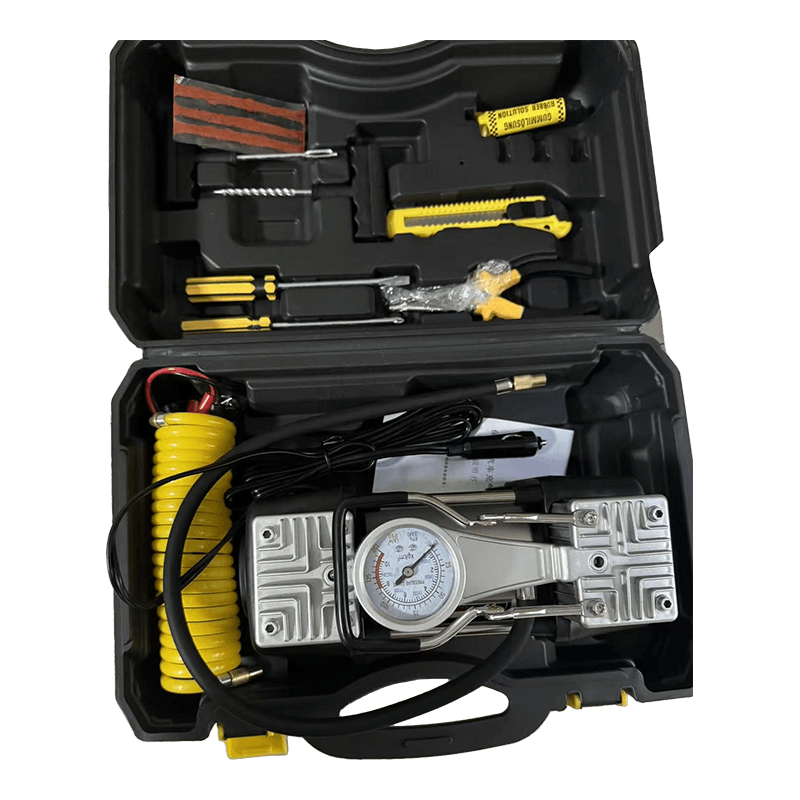 Car air pump with pointer single bar 19-cylinder toolbox packagingThis car air pump with pointer, single bar, and 19-cylinder toolbox packaging is a high-efficiency, ...
 -
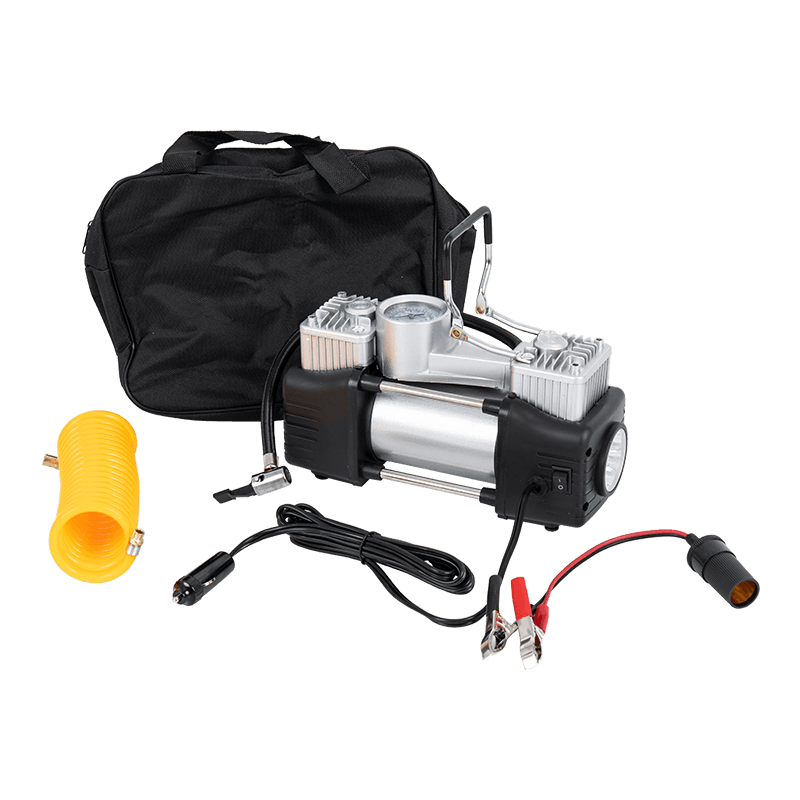 Car air pump single bar 30-cylinder color box packagingThis car air pump, single bar, 30-cylinder, color box packaging, is a powerful and high-performance ...
 -
Car air pump single bar 30-cylinder toolbox packagingThe Car Air Pump Single Bar 30-Cylinder is a well-designed and powerful car air pump designed to pro...
-
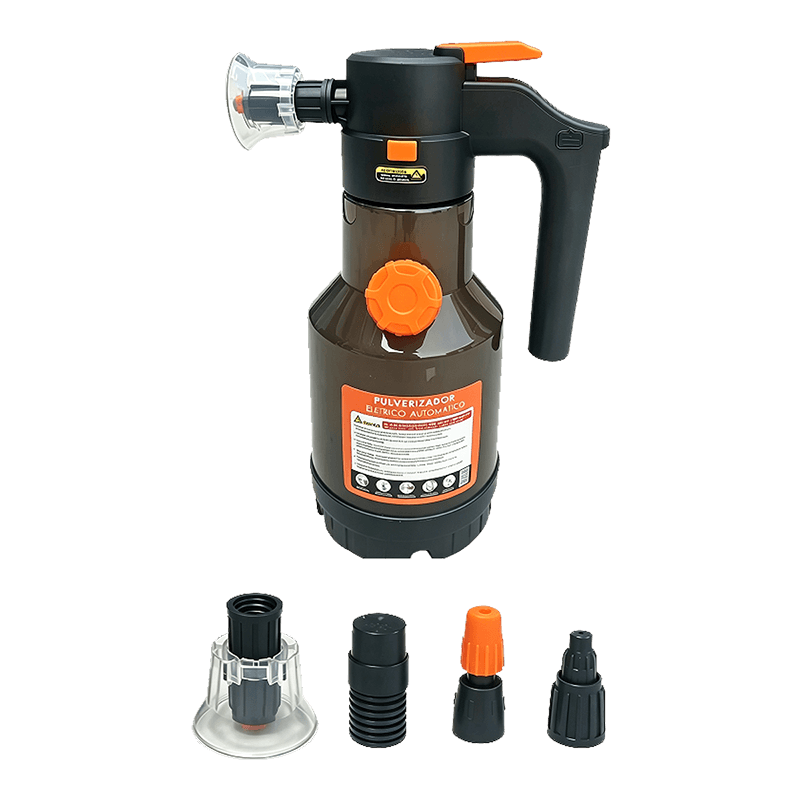 2L Rechargeable Electric Foam Sprayer2L Rechargeable Electric Foam Sprayer, Eco-Friendly PP Handheld Auto Wash Foam Gun with Adjustable N...
 -
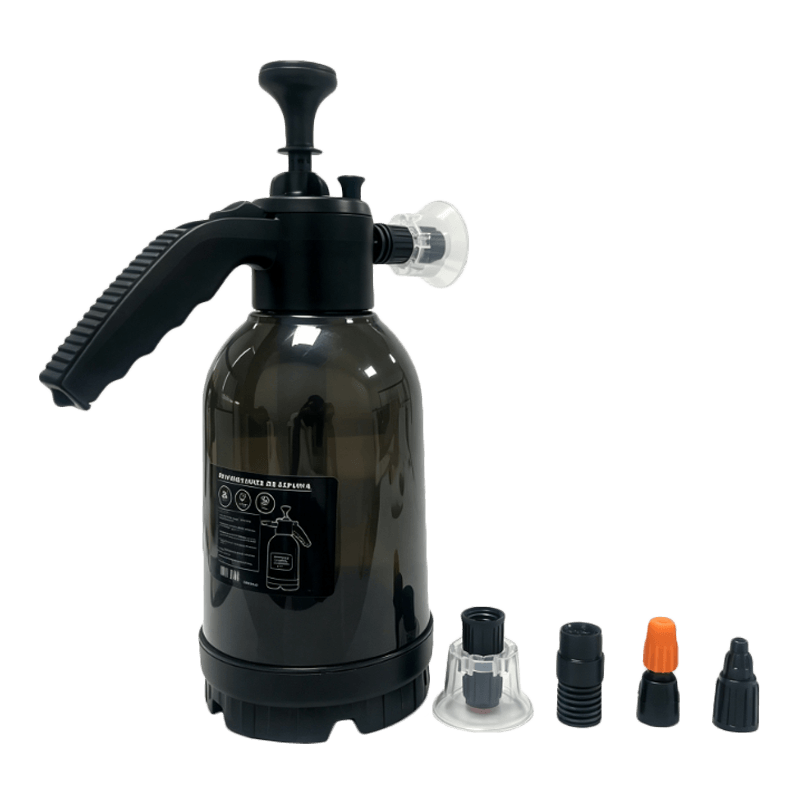 2L Manual Pressure Foam Sprayer2L Manual Pressure Foam Sprayer, Portable Hand Pump Sturdy Sprayer with Large Spray Area for Car Was...
About Us

Yuyao Jialiang Electrical Appliance Co., Ltd.
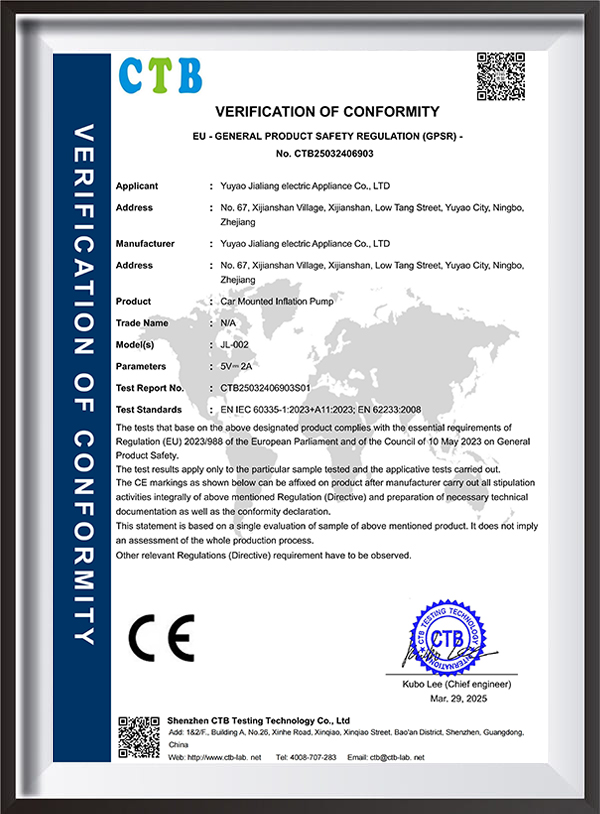
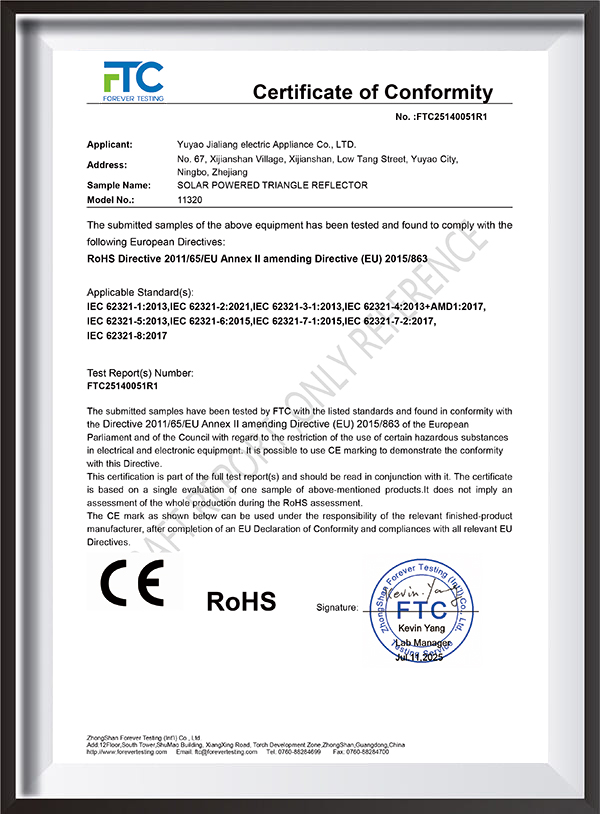
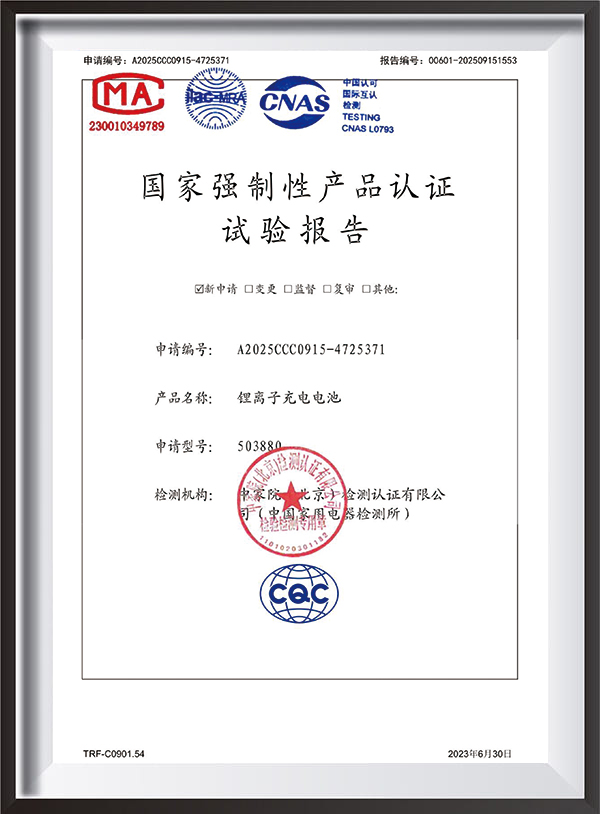
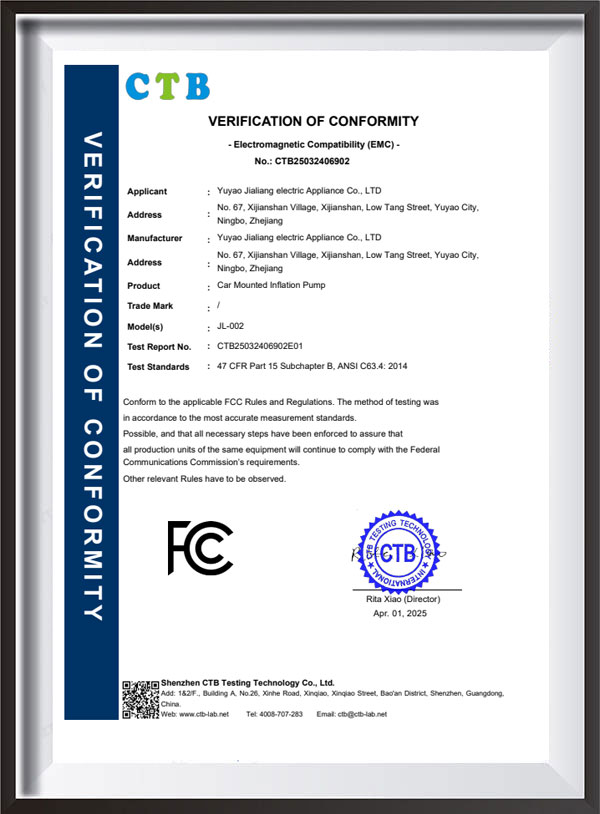
Certificate Of Honour
Latest News
Industry knowledge
What is the Difference Between Corded and Cordless Automotive Appliances?
Understanding Corded Automotive Appliances
Corded automotive appliances are devices that rely on a direct power connection, typically through a vehicle’s 12V socket or a household electrical outlet. Common examples include automotive air pumps and vacuum cleaners that operate continuously as long as they remain plugged in. For manufacturers like Yuyao Jialiang Electric Appliance Co., Ltd., corded designs remain a practical solution for users who prioritize uninterrupted operation in automotive maintenance and cleaning tasks.
Because these appliances draw power directly from an external source, they are often used in scenarios where consistent energy supply is required. This makes them suitable for inflating tires, cleaning vehicle interiors for extended periods, or handling tasks that require stable output without concern for battery limitations.
Understanding Cordless Automotive Appliances
Cordless automotive appliances operate using rechargeable batteries, allowing users to move freely without being restricted by cables. Products such as portable car vacuum cleaners and compact air pumps benefit from this design, especially when users need flexibility in tight or remote spaces. Yuyao Jialiang Electric Appliance Co., Ltd. integrates cordless technology into its product range to meet the growing demand for convenience and portability in automotive care.
These appliances are commonly used in situations where access to a power source is limited, such as roadside emergencies or outdoor cleaning tasks. The absence of a power cord enhances ease of use, making them suitable for quick operations and mobile applications.
Power Source and Performance Differences
The most direct difference between corded and cordless automotive appliances lies in how they obtain and deliver power. Corded appliances typically provide stable and continuous power output, which can support longer operating times and consistent performance levels. In contrast, cordless appliances depend on battery capacity, which may gradually decrease during use and require recharging after a certain period.
For tasks like inflating multiple tires or deep-cleaning large vehicles, corded appliances are often preferred due to their sustained power supply. Meanwhile, cordless options are designed for shorter, more flexible tasks where mobility is more important than continuous operation.
Portability and Ease of Use
Portability is one of the defining characteristics that separate cordless appliances from their corded counterparts. Cordless devices are lightweight and easy to carry, making them convenient for users who frequently travel or need to operate in different locations. This aligns with the company’s focus on practical, user-oriented designs that address everyday automotive and household needs.
Corded appliances, while generally less portable due to the presence of cables, can still be practical in fixed or semi-fixed environments such as garages or home driveways. Their operation is straightforward, as users do not need to monitor battery levels or charging cycles.
Usage Scenarios and Application Flexibility
The choice between corded and cordless automotive appliances often depends on the intended application. Corded devices are commonly used in controlled environments where a power source is readily available, while cordless devices are better suited for dynamic environments that require mobility and quick setup.
For example, a corded automotive vacuum cleaner may be used for thorough interior cleaning at home, while a cordless version may be preferred for quick cleanups during travel. Similarly, a corded air pump can handle repeated inflation tasks, whereas a cordless air pump is useful for emergency tire inflation on the road.
Comparison Table: Corded vs Cordless Automotive Appliances
| Aspect | Corded Appliances | Cordless Appliances |
| Power Source | External power supply (car socket or outlet) | Rechargeable battery |
| Operating Time | Continuous while connected | Limited by battery capacity |
| Portability | Restricted by cable length | Highly portable and flexible |
| Performance Stability | Stable output | May vary as battery drains |
| Best Use Cases | Extended tasks, home or garage use | Quick tasks, outdoor or emergency use |
Cost and Maintenance Considerations
From a cost perspective, corded appliances are often more straightforward in design, which can result in lower initial production costs. They also do not require battery replacement, reducing long-term maintenance concerns. For companies leveraging localized supply chains like Yuyao’s manufacturing cluster, this can help maintain stable production timelines and cost control.
Cordless appliances, on the other hand, involve battery systems that may need replacement over time. Charging infrastructure and battery management also contribute to the overall cost structure. However, these factors are often balanced by the added convenience and flexibility that cordless designs provide.
Design and Technological Development Trends
With advancements in battery technology and compact motor design, cordless automotive appliances have become increasingly common in the market. Manufacturers are focusing on improving battery life, reducing charging time, and enhancing energy efficiency. Yuyao Jialiang Electric Appliance Co., Ltd., supported by a strong regional supply chain, is positioned to respond quickly to these trends through localized sourcing and adaptable production processes.
At the same time, corded appliances continue to evolve with improvements in motor efficiency and durability, ensuring they remain relevant for applications that require consistent and reliable operation.
Choosing Between Corded and Cordless Options
Selecting between corded and cordless automotive appliances depends on user priorities, including usage frequency, operating environment, and mobility requirements. Users who require continuous operation and stable performance may lean toward corded solutions, while those who value convenience and flexibility may find cordless products more suitable.
By offering both types of products, Yuyao Jialiang Electric Appliance Co., Ltd. addresses a wide range of user needs, combining research and development capabilities with international trade experience to deliver practical solutions for automotive and household applications.
FAQ
Q: How do automotive electrical appliances improve everyday driving convenience?
A: Automotive electrical appliances such as car vacuum cleaners and air pumps help drivers maintain cleanliness and vehicle safety with minimal effort. These products are designed for quick operation, making it easier to handle daily maintenance tasks both at home and on the road.
Q: What factors should buyers consider when selecting automotive electrical appliances?
A: Buyers typically evaluate power source options, portability, durability, and compatibility with vehicle power systems. Cost-effectiveness and product reliability are also important, especially for distributors and retailers working with international suppliers.
Q: How does localized manufacturing benefit automotive electrical appliance production?
A: Localized supply chains, such as those in Yuyao’s appliance manufacturing cluster, allow companies to respond quickly to market demand, streamline sourcing, and maintain consistent product quality while reducing lead times.
Q: Are automotive electrical appliances suitable for both personal and commercial use?
A: Yes, many automotive electrical appliances are designed to serve both individual users and small commercial operations. For example, portable air pumps and vacuum cleaners can be used by car owners as well as service providers handling basic vehicle care tasks.
Q: How do manufacturers ensure product consistency in international markets?
A: Manufacturers combine standardized production processes with flexible customization options, including voltage and plug variations. This approach supports compliance with different regional requirements while maintaining consistent performance.
Q: What role does R&D play in automotive electrical appliance development?
A: Research and development helps improve product functionality, optimize energy efficiency, and adapt designs to evolving user needs. For companies engaged in both manufacturing and trade, R&D also supports faster product updates and customization capabilities.
Q: How do automotive electrical appliances align with modern lifestyle needs?
A: These appliances are designed to integrate into daily routines by offering practical solutions for cleaning, maintenance, and convenience. Compact design and ease of use make them suitable for both home and travel environments.
Q: What advantages do small enterprises bring to the automotive electrical appliance industry?
A: Small enterprises often provide flexible production, faster communication, and adaptable order quantities. By combining manufacturing with international trade experience, they can offer cost-effective solutions while meeting diverse customer requirements.

Contact Us
LET'S START COLLABORATING
Jialiang Electrical Appliance develops high-quality automotive and household products, including inflators, vacuum cleaners, bottle warmers, and small appliances. We aim to enhance daily life with innovative, user-focused solutions.
Product
Jump Starter and Air Compressor Solar LED Reflective Warning Triangle Light Wireless Mini Vacuum Cleaner Baby Milk Shaker Foam SprayerSTAY CONNECTED
 +86 13956690933
 [email protected]
[email protected]
 No. 67, Mojian Hill, Ditang Street, Yuyao City, Ningbo City, Zhejiang Province, China.
MOBILE
Copyright © Yuyao Jialiang Electrical Appliance Co., Ltd. All Rights
Reserved
 OEM/ODM Automotive Electrical Appliances Factory