


 русский
  Español
  عربى
عربى 
How Effective Is a Wireless Mini Vacuum Cleaner for Everyday Cleaning?
 2026.04.15
 Industry News
Content
- 1 What Makes a Wireless Mini Vacuum Cleaner Effective for Everyday Cleaning
- 1.1 Understanding the Core Function of a Wireless Mini Vacuum Cleaner
- 1.2 How Suction Performance Impacts Wireless Mini Vacuum Cleaner Efficiency
- 1.3 Battery Efficiency and Its Role in Wireless Mini Vacuum Cleaner Performance
- 1.4 Portability and Ergonomic Design in Wireless Mini Vacuum Cleaner Usage
- 1.5 Filtration System Efficiency in a Wireless Mini Vacuum Cleaner
- 1.6 Multi-Surface Cleaning Capability of a Wireless Mini Vacuum Cleaner
- 1.7 Noise Level and User Comfort in Wireless Mini Vacuum Cleaner Operation
- 1.8 Practical Everyday Cleaning Scenarios for Wireless Mini Vacuum Cleaner Use
- 2 How a Wireless Mini Vacuum Cleaner Handles Dust and Small Debris
- 2.1 Airflow Mechanics and Dust Capture Process in a Wireless Mini Vacuum Cleaner
- 2.2 Particle Separation Technology Inside a Wireless Mini Vacuum Cleaner
- 2.3 Handling Fine Dust Particles in a Wireless Mini Vacuum Cleaner
- 2.4 Small Debris Collection Efficiency in a Wireless Mini Vacuum Cleaner
- 2.5 Airflow Stability and Debris Transport in a Wireless Mini Vacuum Cleaner
- 2.6 Filtration System Behavior When Handling Dust and Debris in a Wireless Mini Vacuum Cleaner
- 2.7 Interaction Between Surface Types and Debris Capture in a Wireless Mini Vacuum Cleaner
- 2.8 Real-World Behavior of Dust and Debris in Wireless Mini Vacuum Cleaner Operation
- 3 Wireless Mini Vacuum Cleaner Performance on Car Interior Cleaning
- 3.1 Car Interior Cleaning Environment and Why a Wireless Mini Vacuum Cleaner Is Suitable
- 3.2 Suction Efficiency of a Wireless Mini Vacuum Cleaner in Car Interior Cleaning
- 3.3 Handling Dust Accumulation in Car Interiors Using a Wireless Mini Vacuum Cleaner
- 3.4 Wireless Mini Vacuum Cleaner Performance on Car Seats and Upholstery
- 3.5 Cleaning Floor Mats and Carpets with a Wireless Mini Vacuum Cleaner
- 3.6 Wireless Mini Vacuum Cleaner Use in Tight Spaces and Hard-to-Reach Areas
- 3.7 Battery Performance and Operational Efficiency During Car Cleaning
- 4 Is a Wireless Mini Vacuum Cleaner Suitable for Pet Hair Cleaning
- 4.1 Pet Hair Behavior and Why It Is Challenging for a Wireless Mini Vacuum Cleaner
- 4.2 Suction Mechanism of a Wireless Mini Vacuum Cleaner for Pet Hair Removal
- 4.3 Role of Brush Attachments in Wireless Mini Vacuum Cleaner Pet Hair Cleaning
- 4.4 Pet Hair Removal on Fabric Surfaces Using a Wireless Mini Vacuum Cleaner
- 4.5 Wireless Mini Vacuum Cleaner Performance on Pet Hair in Car Interiors
- 4.6 Static Electricity and Its Impact on Wireless Mini Vacuum Cleaner Pet Hair Removal
- 4.7 Filtration Challenges When Handling Pet Hair in a Wireless Mini Vacuum Cleaner
- 4.8 Multi-Surface Pet Hair Cleaning Capability of a Wireless Mini Vacuum Cleaner
- 5 References / Sources
What Makes a Wireless Mini Vacuum Cleaner Effective for Everyday Cleaning
Understanding the Core Function of a Wireless Mini Vacuum Cleaner
The Wireless Mini Vacuum Cleaner is designed to handle fast, localized cleaning tasks that occur in daily life, especially in environments where dust, crumbs, pet hair, and small debris accumulate frequently. Its effectiveness is determined by how well it balances portability, suction performance, battery efficiency, and usability in real-world cleaning scenarios. Unlike full-sized vacuum systems that are optimized for deep and large-area cleaning, a Wireless Mini Vacuum Cleaner focuses on convenience-driven cleaning behaviors that happen multiple times throughout the day.
The effectiveness of a Wireless Mini Vacuum Cleaner largely depends on its ability to deliver instant cleaning access. Users typically do not prepare for long cleaning sessions when using this type of device. Instead, they rely on it for immediate response cleaning tasks such as spilled snacks on a desk, dust buildup inside a car, or debris trapped between sofa cushions. This instant-use functionality is a major reason why the Wireless Mini Vacuum Cleaner has become a widely adopted cleaning tool in both residential and automotive environments.
Another key aspect of its effectiveness is compact engineering. The size of a Wireless Mini Vacuum Cleaner allows it to be stored in small spaces such as drawers, car compartments, kitchen cabinets, or office shelves. This accessibility increases usage frequency, which directly improves perceived cleaning efficiency in daily environments.
How Suction Performance Impacts Wireless Mini Vacuum Cleaner Efficiency
The suction capability of a Wireless Mini Vacuum Cleaner is one of the most important technical factors that determines its real-world cleaning effectiveness. Although the device is compact, modern engineering allows manufacturers to integrate high-speed brushless motors that generate strong airflow within a small chamber. This airflow is what enables the Wireless Mini Vacuum Cleaner to pick up fine dust particles, crumbs, hair strands, and lightweight debris.
In everyday cleaning scenarios, suction performance is not only about raw power but also about airflow consistency. A Wireless Mini Vacuum Cleaner must maintain stable suction even when the dust container begins to fill. Poorly designed models often suffer from suction drop-off, which reduces cleaning efficiency during continuous use. High-quality models maintain airflow stability through optimized internal duct design and efficient filtration systems.
The nozzle design also contributes to suction effectiveness. A narrow precision nozzle allows the Wireless Mini Vacuum Cleaner to concentrate airflow into tight spaces such as keyboard gaps, car seat seams, and corners of furniture. This targeted suction design enhances cleaning precision without requiring multiple passes over the same area.
In practical use cases, suction effectiveness determines how many cleaning cycles are needed. A more efficient Wireless Mini Vacuum Cleaner reduces repetitive cleaning motions, improving user experience during everyday cleaning tasks.
Battery Efficiency and Its Role in Wireless Mini Vacuum Cleaner Performance
Battery technology plays a crucial role in determining how effective a Wireless Mini Vacuum Cleaner is for everyday cleaning. Since the device operates without a wired power source, its cleaning duration depends entirely on internal lithium-ion or lithium-polymer batteries. The balance between battery capacity and motor power directly affects how long and how effectively the device can operate.
A Wireless Mini Vacuum Cleaner typically offers short to moderate runtime, optimized for quick cleaning tasks rather than extended sessions. In everyday environments, this design is intentional because most cleaning needs occur in short bursts rather than continuous usage. Efficient battery management ensures that suction power remains stable throughout the cleaning cycle instead of gradually weakening.
Fast charging capability is another important feature that enhances usability. A Wireless Mini Vacuum Cleaner with quick recharge support reduces downtime, allowing users to perform multiple cleaning sessions throughout the day without long waiting periods. This is particularly important in car cleaning scenarios where convenience and speed are critical.
Battery degradation over time also affects long-term effectiveness. A well-designed Wireless Mini Vacuum Cleaner maintains consistent performance across hundreds of charge cycles, ensuring that suction power and runtime do not significantly decrease with regular use.
Portability and Ergonomic Design in Wireless Mini Vacuum Cleaner Usage
Portability is one of the defining characteristics of a Wireless Mini Vacuum Cleaner and a major contributor to its effectiveness in everyday cleaning. The compact structure allows users to carry the device easily and access difficult-to-reach areas without strain. This is particularly useful in environments such as vehicles, small apartments, offices, and travel situations.
Ergonomic design enhances usability by reducing hand fatigue during operation. A well-balanced Wireless Mini Vacuum Cleaner distributes weight evenly across the handle, allowing extended use without discomfort. The grip design also influences cleaning precision, especially when working in tight or awkward spaces.
Portability also impacts cleaning frequency. When a Wireless Mini Vacuum Cleaner is easy to access and use, users are more likely to perform quick cleaning actions instead of postponing tasks. This behavioral shift increases overall cleanliness in daily environments without requiring full cleaning sessions.
Storage convenience is another aspect of portability. A Wireless Mini Vacuum Cleaner can be stored in compact spaces without requiring dedicated storage areas. This makes it more likely to be kept within immediate reach, further improving its practical effectiveness.
Filtration System Efficiency in a Wireless Mini Vacuum Cleaner
The filtration system of a Wireless Mini Vacuum Cleaner plays a significant role in maintaining cleaning performance and air quality. Most modern models incorporate multi-layer filtration systems, including HEPA-style filters, mesh filters, or cyclonic separation technology. These systems prevent dust particles from re-entering the airflow, ensuring consistent suction and cleaner exhaust air.
Effective filtration improves long-term performance by reducing clogging inside the device. When airflow pathways remain clear, the Wireless Mini Vacuum Cleaner maintains stable suction power during repeated use. Poor filtration systems can cause airflow restriction, which directly reduces cleaning efficiency.
In everyday cleaning, fine dust particles are often the most difficult to capture. A well-designed Wireless Mini Vacuum Cleaner with advanced filtration can trap microscopic particles, improving hygiene in environments such as bedrooms, offices, and car interiors.
Maintenance of the filtration system also affects performance. Washable filters and easy-access dust containers enhance usability by reducing downtime during cleaning and maintenance tasks.
Multi-Surface Cleaning Capability of a Wireless Mini Vacuum Cleaner
A key factor in the effectiveness of a Wireless Mini Vacuum Cleaner is its ability to perform across different surfaces. Everyday cleaning involves a variety of materials, including hard floors, fabric surfaces, upholstery, keyboards, car interiors, and countertops. The adaptability of the device determines how useful it is in real-life situations.
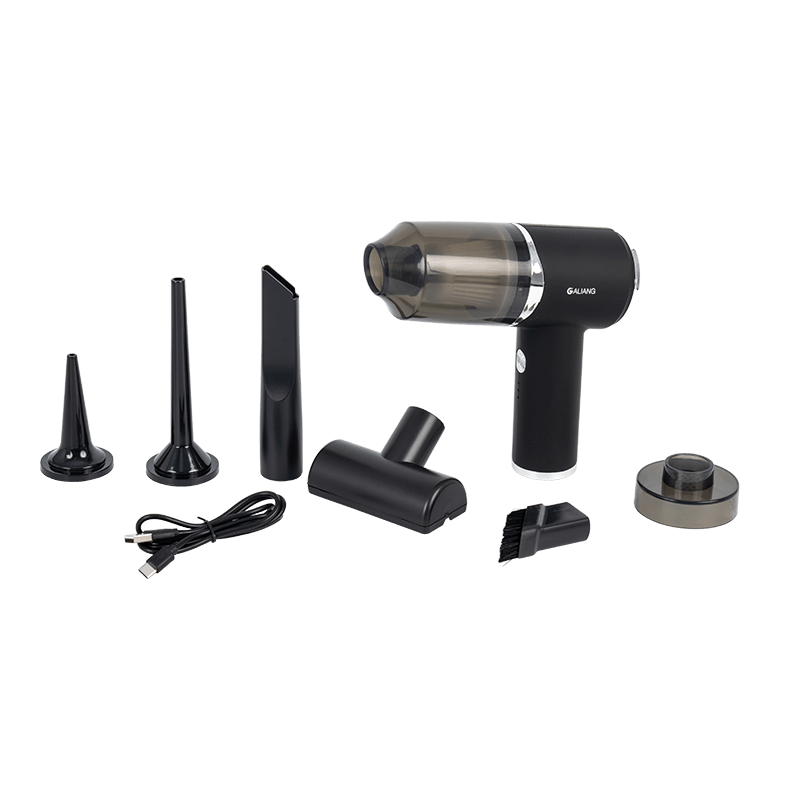
Different attachments such as brush heads, crevice tools, and flat nozzles expand the functionality of a Wireless Mini Vacuum Cleaner. Brush attachments help lift embedded dust from fabric surfaces, while crevice tools are designed for narrow spaces. This multi-surface capability increases the overall utility of the device.
Surface adaptability also depends on suction control. Some Wireless Mini Vacuum Cleaner models offer adjustable power modes, allowing users to switch between low-power and high-power settings depending on the cleaning surface. This flexibility improves efficiency and prevents unnecessary battery drain.
In environments with mixed surface types, such as cars or small apartments, multi-surface capability significantly increases cleaning speed and convenience.
Noise Level and User Comfort in Wireless Mini Vacuum Cleaner Operation
Noise output is another factor that influences the effectiveness of a Wireless Mini Vacuum Cleaner in everyday cleaning. Lower noise levels improve user comfort and make the device suitable for use in shared or quiet environments such as offices, apartments, and nighttime cleaning scenarios.
Motor design and airflow optimization play key roles in reducing noise. Advanced Wireless Mini Vacuum Cleaner models use noise-reduction engineering to minimize vibration and airflow turbulence. This allows users to clean without causing significant disturbance.
User comfort is directly related to how frequently the device is used. When a Wireless Mini Vacuum Cleaner operates quietly, users are more likely to use it for quick cleaning tasks throughout the day, increasing overall cleaning efficiency in real environments.
Noise reduction also contributes to extended usage sessions, as lower sound levels reduce fatigue and discomfort during operation.
Practical Everyday Cleaning Scenarios for Wireless Mini Vacuum Cleaner Use
The effectiveness of a Wireless Mini Vacuum Cleaner becomes most evident when applied to real-life cleaning situations. Common scenarios include cleaning food crumbs from kitchen counters, removing dust from computer keyboards, maintaining car interiors, and quickly addressing small spills or debris.
In automotive environments, a Wireless Mini Vacuum Cleaner is particularly effective for reaching tight spaces such as seat rails, cup holders, and dashboard corners. In office environments, it helps maintain cleanliness by removing dust accumulation from electronic devices and work surfaces.
In home environments, its role is focused on maintenance cleaning rather than deep cleaning. Frequent use prevents dust buildup and reduces the need for intensive cleaning sessions.
The flexibility of use across multiple environments reinforces the practical value of a Wireless Mini Vacuum Cleaner in daily life.
How a Wireless Mini Vacuum Cleaner Handles Dust and Small Debris
Airflow Mechanics and Dust Capture Process in a Wireless Mini Vacuum Cleaner
The way a Wireless Mini Vacuum Cleaner handles dust and small debris is fundamentally determined by its internal airflow mechanics, which are engineered to create a controlled suction environment inside a compact housing. When the device is activated, the motor spins at high speed, generating a pressure differential between the intake nozzle and the internal dust chamber. This pressure difference is what drives the movement of air and particles into the Wireless Mini Vacuum Cleaner.
Dust particles behave differently depending on their size and weight. Fine dust, often invisible to the human eye, is typically light enough to be suspended in the air for extended periods. A Wireless Mini Vacuum Cleaner captures these particles by drawing surrounding air at high velocity through a narrow intake channel. As air enters the system, it accelerates due to the reduced cross-sectional area of the nozzle, increasing its capacity to carry fine particulate matter.
Small debris such as crumbs, sand grains, pet hair, and lint requires a slightly different handling mechanism. These particles are heavier and rely more on direct contact with airflow rather than suspension. The Wireless Mini Vacuum Cleaner addresses this through concentrated suction force at the nozzle tip. The design of the intake path ensures that airflow velocity remains sufficient to lift and transport these heavier particles into the dust container without clogging or loss of suction efficiency.
The internal airflow path is often designed in a cyclonic or semi-cyclonic structure. This allows the incoming air to rotate at high speed, separating dust particles from the airflow using centrifugal force. As a result, the Wireless Mini Vacuum Cleaner maintains consistent suction performance while preventing particles from re-entering the airflow stream.
Particle Separation Technology Inside a Wireless Mini Vacuum Cleaner
Particle separation is a critical function that determines how effectively a Wireless Mini Vacuum Cleaner handles dust and small debris without performance degradation. Once dust and debris enter the device, they must be separated from the moving air to prevent blockage and maintain airflow efficiency.
Cyclonic separation technology is widely used in modern Wireless Mini Vacuum Cleaner designs. This system forces air into a spiral motion inside a cylindrical chamber. As the air spins, heavier particles are pushed outward toward the walls of the chamber due to centrifugal force. These particles then fall into the dust container, while cleaner air continues through the filtration system.
This separation process reduces reliance on traditional filter-based trapping alone, which can quickly become clogged when handling fine dust or larger debris. By minimizing direct filter load, the Wireless Mini Vacuum Cleaner maintains stronger and more stable suction over extended cleaning periods.
In some advanced models, multi-stage separation systems are implemented. These systems combine primary cyclonic separation with secondary mesh filtration, ensuring that both large debris and fine dust particles are effectively captured. The dual-layer approach improves overall efficiency when handling mixed debris environments such as car interiors, kitchen surfaces, or office desks.
Handling Fine Dust Particles in a Wireless Mini Vacuum Cleaner
Fine dust is one of the most challenging types of debris for any cleaning device due to its lightweight and airborne nature. A Wireless Mini Vacuum Cleaner addresses this challenge through a combination of high airflow velocity, optimized nozzle geometry, and advanced filtration systems.
Fine dust particles often originate from sources such as fabric fibers, skin cells, environmental pollution, and degraded materials from household items. These particles can easily disperse into the air when disturbed, making them difficult to collect using passive cleaning methods.
The Wireless Mini Vacuum Cleaner creates a localized low-pressure zone at the nozzle intake. This zone acts as a capture field that pulls fine dust particles toward the suction point before they can disperse further. The efficiency of this process depends on the stability of airflow and the proximity of the nozzle to the dust source.
HEPA-style filtration systems integrated into many Wireless Mini Vacuum Cleaner models further enhance fine dust handling. These filters are designed to trap microscopic particles that pass through the initial separation stage. The filtration layer ensures that fine dust does not re-enter the environment through exhaust airflow, improving air quality during and after cleaning.
Fine dust handling efficiency is also influenced by nozzle design. Narrow crevice tools concentrate suction force, making it easier to collect dust from corners, edges, and textured surfaces where fine particles tend to accumulate.
Small Debris Collection Efficiency in a Wireless Mini Vacuum Cleaner
Small debris such as food crumbs, pet litter fragments, sand particles, and small paper pieces requires a different approach compared to fine dust. A Wireless Mini Vacuum Cleaner must generate sufficient suction force to lift and transport these heavier particles without losing airflow stability.
The intake diameter plays a crucial role in debris collection efficiency. A properly engineered Wireless Mini Vacuum Cleaner balances nozzle size and airflow speed to ensure that debris is not blocked at the intake point. If the nozzle is too narrow, larger debris may obstruct airflow; if it is too wide, suction force may be reduced. Optimized design ensures consistent performance across a wide range of debris sizes.
Brush attachments are often used to improve debris collection efficiency. These attachments agitate surfaces, loosening particles that are embedded in fabric or textured materials. Once loosened, the Wireless Mini Vacuum Cleaner can easily capture them through direct suction.
In environments such as car interiors, small debris often accumulates in seat seams, floor mats, and storage compartments. The Wireless Mini Vacuum Cleaner uses focused suction tools to reach these areas, ensuring that debris is effectively removed without requiring manual brushing or multiple cleaning passes.
Airflow Stability and Debris Transport in a Wireless Mini Vacuum Cleaner
Airflow stability is essential for maintaining consistent performance when handling dust and small debris. A Wireless Mini Vacuum Cleaner relies on continuous airflow to transport particles from the intake nozzle to the dust collection chamber.
Any disruption in airflow can reduce particle transport efficiency, leading to partial clogging or reduced suction power. To prevent this, internal air channels are designed with smooth curves and minimal resistance points. This ensures that dust and debris move efficiently through the system without interruption.
Motor speed regulation also contributes to airflow stability. Many Wireless Mini Vacuum Cleaner models use electronic speed control systems that maintain consistent motor output even as battery levels fluctuate. This ensures that suction performance remains steady during the cleaning cycle.
The interaction between airflow velocity and particle size determines how effectively debris is transported. Larger particles require higher suction force to overcome inertia, while smaller particles rely more on continuous airflow movement. A well-balanced Wireless Mini Vacuum Cleaner maintains performance across both conditions.
Filtration System Behavior When Handling Dust and Debris in a Wireless Mini Vacuum Cleaner
The filtration system is the final stage in the dust and debris handling process within a Wireless Mini Vacuum Cleaner. After particles are separated from the airflow, the remaining air passes through multiple filtration layers before being released back into the environment.
Mesh filters are typically used as the first layer of filtration, capturing medium-sized particles that bypass the initial separation chamber. HEPA-grade filters or equivalent materials are used in secondary stages to capture fine dust particles.
Filter clogging is a critical issue when handling large amounts of dust and debris. A Wireless Mini Vacuum Cleaner mitigates this through modular filter design, allowing users to easily remove and clean filters without disassembling the entire device.
Some advanced systems incorporate washable filters, which improve long-term usability and reduce maintenance costs. Regular cleaning of the filtration system ensures that airflow remains unobstructed, maintaining consistent suction performance during repeated use.
The efficiency of dust and debris handling is closely linked to how well the filtration system is maintained. Poorly maintained filters reduce airflow, which directly impacts the ability of the Wireless Mini Vacuum Cleaner to capture new particles effectively.
Interaction Between Surface Types and Debris Capture in a Wireless Mini Vacuum Cleaner
Different surface types influence how dust and small debris are handled by a Wireless Mini Vacuum Cleaner. Smooth surfaces such as glass, wood, or plastic allow particles to be easily lifted due to minimal surface adhesion. In contrast, textured surfaces such as fabric, carpets, or upholstery trap debris more deeply within fibers.
On hard surfaces, the Wireless Mini Vacuum Cleaner primarily relies on direct suction to remove particles. The efficiency is high because debris is not embedded and can be easily lifted into the airflow stream.
On soft or textured surfaces, additional mechanical assistance is often required. Brush attachments help agitate fibers, dislodging dust and debris so that suction can effectively capture them. This combination of mechanical and airflow-based cleaning increases overall efficiency.
Surface interaction also affects particle re-suspension. When cleaning dusty surfaces, improper suction may cause particles to become airborne again. A well-designed Wireless Mini Vacuum Cleaner minimizes this issue by maintaining controlled airflow direction and suction consistency.
Real-World Behavior of Dust and Debris in Wireless Mini Vacuum Cleaner Operation
In real-world environments, dust and small debris rarely exist in isolated conditions. Instead, they are often mixed and distributed across multiple surface types and environmental conditions. A Wireless Mini Vacuum Cleaner must therefore handle mixed debris scenarios efficiently.
In household environments, dust accumulation often consists of fine particles combined with larger debris such as crumbs or hair strands. In automotive environments, sand, dirt, and organic debris are commonly present. In office environments, paper fragments, dust, and electronic residue are typical.
The Wireless Mini Vacuum Cleaner adapts to these conditions through flexible airflow and attachment systems. Its ability to switch between different cleaning modes and tools allows it to maintain efficiency across diverse cleaning challenges.
Particle behavior also changes depending on humidity, temperature, and surface texture. Dry environments tend to produce more airborne dust, while humid conditions cause particles to clump together. The Wireless Mini Vacuum Cleaner handles these variations through consistent suction design and adaptable intake mechanisms.
Wireless Mini Vacuum Cleaner Performance on Car Interior Cleaning
Car Interior Cleaning Environment and Why a Wireless Mini Vacuum Cleaner Is Suitable
The performance of a Wireless Mini Vacuum Cleaner in car interior cleaning is strongly influenced by the unique environmental conditions inside a vehicle cabin. Unlike open indoor spaces, a car interior is a highly confined, multi-surface environment where dust, debris, and fine particles accumulate in narrow gaps, fabric textures, and irregular structural layouts. The effectiveness of a Wireless Mini Vacuum Cleaner depends on how well it adapts to these constraints while maintaining suction consistency and accessibility.
Car interiors typically contain a combination of hard surfaces such as plastic dashboards, leather or synthetic seats, rubber floor mats, and fabric-covered areas. Each surface interacts differently with dust and debris. Hard surfaces allow loose particles to be removed easily, while soft and porous materials trap debris deeper within fibers. A Wireless Mini Vacuum Cleaner is designed specifically to handle these mixed surface conditions through targeted suction and interchangeable nozzle attachments.
Another important factor is spatial limitation. Car interiors include areas such as seat rails, cup holders, air vents, door pockets, and center console compartments, all of which are difficult to reach using traditional vacuum systems. The compact form factor of a Wireless Mini Vacuum Cleaner allows it to access these tight spaces without requiring large equipment or external power sources.
The absence of cords also plays a significant role in usability within car interiors. Traditional vacuum cleaners often require external power access or long extension cords, which limit mobility and efficiency. A Wireless Mini Vacuum Cleaner operates independently, allowing continuous movement around the vehicle without restriction, which improves cleaning precision in complex interior layouts.
Suction Efficiency of a Wireless Mini Vacuum Cleaner in Car Interior Cleaning
Suction efficiency is a critical performance metric when evaluating how a Wireless Mini Vacuum Cleaner handles car interior cleaning tasks. The suction system must be strong enough to lift a variety of debris types, including fine dust, sand particles, food crumbs, pet hair, and small stones commonly found in vehicle environments.
Car floor mats often trap heavier debris such as sand and gravel, which require higher suction force to dislodge and extract. A Wireless Mini Vacuum Cleaner uses concentrated airflow at the nozzle to create localized suction pressure, enabling it to lift these heavier particles effectively when the nozzle is positioned close to the surface.
Seat surfaces, particularly fabric upholstery, present a different challenge. Dust and hair become embedded within fibers, requiring both suction power and mechanical agitation. Brush attachments enhance performance by loosening embedded debris before it is captured by airflow. This combination of mechanical and aerodynamic cleaning increases efficiency in car seat cleaning scenarios.
Air vents and dashboard areas require precision suction rather than raw power. Narrow crevice tools attached to a Wireless Mini Vacuum Cleaner concentrate airflow into small channels, allowing dust accumulation inside vents to be removed without damaging delicate components. This targeted suction approach is essential for maintaining interior cleanliness in modern vehicles with complex dashboard designs.
Suction consistency is also important during extended cleaning sessions. In car environments, users often move between multiple surfaces in a single cleaning cycle. A Wireless Mini Vacuum Cleaner must maintain stable airflow output across different orientations, including horizontal, vertical, and angled positions inside the cabin.
Handling Dust Accumulation in Car Interiors Using a Wireless Mini Vacuum Cleaner
Dust accumulation inside vehicles is a continuous process influenced by external environmental exposure, air circulation systems, and passenger activity. A Wireless Mini Vacuum Cleaner is designed to address this ongoing accumulation through frequent, localized cleaning rather than deep periodic cleaning.
Fine dust particles enter the car interior through ventilation systems, open windows, and door gaps. These particles settle on dashboards, center consoles, and seat surfaces. A Wireless Mini Vacuum Cleaner captures these particles using high-velocity suction combined with precise nozzle placement, preventing dust from resettling into the environment.
Dashboard surfaces often accumulate a thin layer of dust due to static charge and air circulation patterns inside the cabin. The Wireless Mini Vacuum Cleaner removes this layer effectively when used with brush attachments that dislodge static-bound particles before suction capture.
Cup holders, storage compartments, and door pockets accumulate mixed debris including dust, crumbs, and small objects. The compact nozzle design of a Wireless Mini Vacuum Cleaner allows it to reach into these confined areas and extract debris without requiring manual disassembly or extensive cleaning effort.
Air vent cleaning requires specialized airflow control. Dust often accumulates inside vent blades and ducts, making it difficult to remove using surface-level cleaning methods. A Wireless Mini Vacuum Cleaner with a narrow precision nozzle can direct airflow into vent structures, loosening and extracting dust buildup without damaging internal components.
Wireless Mini Vacuum Cleaner Performance on Car Seats and Upholstery
Car seats represent one of the most complex cleaning surfaces inside a vehicle due to their layered structure and material composition. A Wireless Mini Vacuum Cleaner must handle both surface debris and deeply embedded particles within fabric or leather textures.
Fabric seats trap dust, hair, and food particles within fiber structures. These particles require mechanical agitation combined with suction force. Brush attachments on a Wireless Mini Vacuum Cleaner lift fibers slightly, allowing trapped debris to be released and captured by airflow. This dual-action cleaning process significantly improves performance on upholstered surfaces.
Leather or synthetic leather seats present a different cleaning challenge. While debris does not penetrate deeply, fine dust and oils accumulate on the surface. A Wireless Mini Vacuum Cleaner removes loose particles efficiently, while soft brush attachments help maintain surface cleanliness without causing abrasion.
Seat seams and stitching lines are high-risk accumulation zones for debris buildup. Crumbs, sand, and hair often settle into these narrow gaps. The crevice tool attachment of a Wireless Mini Vacuum Cleaner concentrates suction into these tight spaces, extracting debris that is otherwise difficult to reach.
Seat rails and adjustment mechanisms also accumulate dust and mechanical debris over time. These areas require angled suction access, which is achievable due to the lightweight and maneuverable structure of a Wireless Mini Vacuum Cleaner.
Cleaning Floor Mats and Carpets with a Wireless Mini Vacuum Cleaner
Car floor mats and carpets represent the highest debris concentration zones in a vehicle interior. These surfaces are exposed to external dirt, moisture, and continuous foot traffic. A Wireless Mini Vacuum Cleaner must deliver sufficient suction strength and debris agitation capability to clean these areas effectively.
Rubber floor mats often collect sand, mud particles, and gravel. These heavier debris types require direct suction force combined with nozzle positioning close to the surface. A Wireless Mini Vacuum Cleaner achieves this through focused airflow channels that concentrate suction power at the intake point.
Fabric carpets trap fine dust and embedded debris within dense fiber structures. Cleaning these surfaces requires repeated passes and the use of brush attachments to loosen trapped particles. Once dislodged, debris is quickly captured by the airflow system of the Wireless Mini Vacuum Cleaner.
Carpet edges and corners are particularly difficult areas due to limited access. The compact design of the Wireless Mini Vacuum Cleaner allows the nozzle to reach along edges and beneath seat areas where debris tends to accumulate over time.
Moisture combined with dust can create clumping in carpet fibers, making debris more difficult to extract. The consistent suction performance of a Wireless Mini Vacuum Cleaner helps break apart these clumps and transport particles into the dust container efficiently.
Wireless Mini Vacuum Cleaner Use in Tight Spaces and Hard-to-Reach Areas
One of the most significant advantages of a Wireless Mini Vacuum Cleaner in car interior cleaning is its ability to operate effectively in tight and irregular spaces. Vehicle interiors contain numerous confined zones that are inaccessible to larger cleaning systems.
Areas such as between seats, under seat frames, around gear shifts, and inside door pockets require precision cleaning tools. The Wireless Mini Vacuum Cleaner uses narrow nozzle attachments to extend reach into these restricted zones, ensuring debris removal without requiring disassembly of vehicle components.
Center console compartments often contain small debris such as coins, crumbs, and dust. The controlled suction output of a Wireless Mini Vacuum Cleaner allows safe and efficient cleaning of these storage spaces without damaging sensitive electronic components.
Door handle recesses and armrest gaps also accumulate dust due to frequent contact and limited airflow circulation. The Wireless Mini Vacuum Cleaner handles these areas using directional suction that targets narrow geometric spaces.
Under-seat areas present one of the most challenging cleaning environments due to limited visibility and restricted access angles. The lightweight structure of a Wireless Mini Vacuum Cleaner allows users to maneuver the device into low-clearance areas, enabling effective debris removal without requiring vehicle lifting or disassembly.
Battery Performance and Operational Efficiency During Car Cleaning
Battery performance is a key factor in determining how effectively a Wireless Mini Vacuum Cleaner can complete car interior cleaning tasks. Vehicle cleaning often involves multiple surface types and extended usage across different cabin zones.
A typical car cleaning session requires intermittent bursts of suction rather than continuous operation. The Wireless Mini Vacuum Cleaner is designed to support this usage pattern through energy-efficient motor systems and optimized power distribution.
Stable battery output ensures consistent suction performance even as cleaning progresses across different interior sections. This consistency is important when transitioning between high-debris areas such as floor mats and delicate surfaces such as dashboards.
Charging efficiency also affects usability in automotive environments. Fast charging capabilities allow the Wireless Mini Vacuum Cleaner to be used frequently without long downtime, supporting regular maintenance cleaning routines.
Battery placement within the device influences balance and ergonomics during car interior use. A well-balanced Wireless Mini Vacuum Cleaner reduces hand fatigue during extended cleaning sessions, particularly when reaching under seats or across wide interior spaces.
Is a Wireless Mini Vacuum Cleaner Suitable for Pet Hair Cleaning
Pet Hair Behavior and Why It Is Challenging for a Wireless Mini Vacuum Cleaner
Pet hair presents a unique cleaning challenge due to its physical structure, electrostatic properties, and tendency to embed itself into various surface materials. A Wireless Mini Vacuum Cleaner must address these characteristics through a combination of suction dynamics, airflow control, and attachment design in order to perform effectively in real-world pet environments.
Pet hair is typically lightweight, flexible, and capable of clinging to surfaces through static electricity and microscopic surface friction. In households with cats and dogs, shedding occurs continuously, resulting in accumulation on furniture, carpets, clothing, and vehicle interiors. The dispersion pattern of pet hair is irregular, meaning it can be found both in visible clumps and as fine strands dispersed across surfaces.
A Wireless Mini Vacuum Cleaner operates by creating localized suction pressure at the nozzle, which is essential for lifting both loose and semi-embedded pet hair. However, pet hair differs from dust or crumbs because it often interweaves with fabric fibers, especially in upholstery and carpets. This requires not only suction power but also mechanical agitation to loosen the hair from surfaces before it can be effectively collected.
The behavior of pet hair is further influenced by humidity and surface type. In dry environments, static charge increases, causing hair to cling more strongly to surfaces. In such conditions, a Wireless Mini Vacuum Cleaner must generate sufficient airflow velocity to overcome adhesion forces. On fabric surfaces, hair tends to penetrate deeper into fiber structures, requiring more targeted cleaning techniques.
Suction Mechanism of a Wireless Mini Vacuum Cleaner for Pet Hair Removal
The suction mechanism is the core functional component that determines how effectively a Wireless Mini Vacuum Cleaner handles pet hair cleaning tasks. High-speed motors generate airflow that creates a pressure differential between the intake nozzle and internal dust chamber. This pressure gradient is responsible for lifting pet hair from surfaces and transporting it into the collection container.
Pet hair removal requires consistent suction rather than peak power alone. Once hair begins to accumulate at the nozzle entrance, airflow stability becomes critical to prevent clogging or reduced efficiency. A well-designed Wireless Mini Vacuum Cleaner maintains steady airflow even when partially obstructed by hair strands.
Cyclonic airflow systems are commonly used to prevent hair entanglement within filters. These systems spin incoming air at high velocity, separating pet hair from airflow using centrifugal force. Hair strands are pushed toward the outer chamber walls, where they are collected in the dust container, reducing load on the filtration system.
Suction effectiveness also depends on nozzle geometry. Narrow crevice tools concentrate airflow, improving the ability to lift hair from tight spaces such as sofa seams, car seats, and carpet edges. Wider brush heads are used for larger surface areas where hair is distributed more loosely.
The interaction between suction force and hair length is also important. Longer pet hair tends to tangle more easily, requiring higher airflow consistency to prevent clogging at the nozzle entrance. Shorter hair is more likely to disperse widely, requiring broader suction coverage.
Role of Brush Attachments in Wireless Mini Vacuum Cleaner Pet Hair Cleaning
Brush attachments play a critical role in enhancing the performance of a Wireless Mini Vacuum Cleaner when dealing with pet hair. Unlike dust or debris, pet hair often adheres to surfaces through a combination of static electricity and mechanical entanglement within fibers.
Brush heads introduce mechanical agitation that loosens hair from fabric surfaces before suction occurs. The bristles lift carpet fibers or upholstery textures, allowing embedded hair to become dislodged and accessible to airflow. This two-stage process significantly improves cleaning efficiency.
Different brush designs serve different purposes. Soft bristle brushes are typically used for delicate surfaces such as sofas, cushions, and car interiors. These brushes prevent surface damage while still providing sufficient agitation to release hair. Firmer bristles are used for carpets and rugs where deeper penetration is required.
Rotating brush systems, where available, enhance performance by continuously agitating surfaces during suction. This is particularly effective for high-density pet hair accumulation zones, where manual brushing alone is insufficient.
Brush attachments also help reduce clogging at the nozzle by preventing large hair clumps from forming at the intake point. By continuously loosening and distributing hair, the Wireless Mini Vacuum Cleaner maintains smoother airflow and improved collection efficiency.
Pet Hair Removal on Fabric Surfaces Using a Wireless Mini Vacuum Cleaner
Fabric surfaces are among the most challenging environments for pet hair removal due to their porous and fibrous structure. A Wireless Mini Vacuum Cleaner must address both surface-level hair and deeply embedded strands within textile layers.
Sofas, cushions, and upholstered chairs often trap pet hair within weave patterns. Static electricity further increases adhesion, making hair difficult to remove using simple suction alone. A Wireless Mini Vacuum Cleaner uses a combination of brush agitation and targeted airflow to extract hair from these surfaces.
Repeated cleaning passes are often necessary to achieve full removal. Initial passes loosen surface hair, while subsequent passes extract deeper embedded strands. The consistency of suction power across multiple passes is essential for effective cleaning performance.
Carpeted surfaces present similar challenges but with higher complexity due to pile density. High-pile carpets trap more hair within fibers, requiring deeper brush penetration. Low-pile carpets allow easier hair extraction but still require consistent airflow to prevent redistribution of loose strands.
Edge zones such as seams, stitching lines, and fabric folds are common accumulation points for pet hair. The crevice tools of a Wireless Mini Vacuum Cleaner concentrate suction in these narrow areas, enabling targeted removal without damaging fabric structures.
Wireless Mini Vacuum Cleaner Performance on Pet Hair in Car Interiors
Car interiors are high-frequency pet environments, especially for pet owners who transport animals regularly. Pet hair accumulates on seats, floor mats, and ventilation systems, creating persistent cleaning challenges.
Fabric car seats trap pet hair deeply within fibers, requiring both suction and brushing action. A Wireless Mini Vacuum Cleaner equipped with brush attachments can lift embedded hair effectively when applied with controlled pressure and multiple directional passes.
Car floor mats often collect loose hair mixed with dust and dirt. These mixed debris conditions require strong suction combined with wide nozzle coverage. The Wireless Mini Vacuum Cleaner handles this by concentrating airflow at the intake point while maintaining mobility across uneven surfaces.
Air vents and dashboard areas may collect fine strands of pet hair that circulate through cabin airflow systems. Narrow nozzle attachments allow targeted removal of these particles without disassembling interior components.
Seat crevices are particularly difficult zones where pet hair accumulates over time. The compact size of a Wireless Mini Vacuum Cleaner allows it to reach into these narrow gaps and extract hair that would otherwise remain trapped.
Static Electricity and Its Impact on Wireless Mini Vacuum Cleaner Pet Hair Removal
Static electricity plays a significant role in how pet hair behaves on different surfaces. Hair strands often carry an electrostatic charge that causes them to cling tightly to fabrics, plastics, and upholstery.
A Wireless Mini Vacuum Cleaner must overcome these electrostatic forces through sustained airflow and mechanical disruption. High-velocity suction helps neutralize static adhesion by creating continuous air movement that detaches hair from surfaces.
In dry environments, static charge intensity increases, making pet hair more difficult to remove. In such conditions, brush attachments become essential for breaking the electrostatic bond between hair and surface material.
Some surfaces, particularly synthetic fabrics and certain plastics, generate stronger static attraction than natural materials. A Wireless Mini Vacuum Cleaner must apply repeated passes over these surfaces to achieve effective hair removal.
Filtration Challenges When Handling Pet Hair in a Wireless Mini Vacuum Cleaner
Pet hair introduces additional challenges to the filtration system of a Wireless Mini Vacuum Cleaner due to its tendency to form clumps and entangle within filter layers.
Hair strands can accumulate at the filter surface, reducing airflow efficiency and increasing resistance within the system. Cyclonic separation mechanisms help reduce this issue by capturing hair in the dust chamber before it reaches the filter.
Mesh pre-filters are often used to intercept larger hair clusters, preventing them from reaching finer filtration layers. This helps maintain suction consistency during extended cleaning sessions.
Regular maintenance of filters is essential in pet environments. Hair buildup can significantly reduce performance if not removed periodically. Washable filter systems improve long-term usability in households with frequent pet shedding.
Multi-Surface Pet Hair Cleaning Capability of a Wireless Mini Vacuum Cleaner
Pet hair is not confined to a single surface type, requiring a Wireless Mini Vacuum Cleaner to adapt across multiple environments. Hair may be found on furniture, carpets, clothing, bedding, and vehicle interiors simultaneously.
The versatility of attachments allows the device to transition between surfaces efficiently. Brush heads for fabric, crevice tools for tight spaces, and standard nozzles for flat surfaces enable comprehensive cleaning coverage.
Surface variation also affects cleaning strategy. Hard surfaces allow quick removal of loose hair, while soft surfaces require deeper penetration and repeated passes. A Wireless Mini Vacuum Cleaner adjusts to these conditions through consistent suction output and adaptable tools.
Multi-surface capability increases cleaning frequency in pet households, as users can address hair accumulation quickly across different environments without switching equipment.
References / Sources
-
Kinsey, J. S., & Williams, D. C. (2012). Airborne particle capture efficiency of vacuum cleaners. Journal of Occupational and Environmental Hygiene.
-
National Air Duct Cleaners Association (NADCA). (2020). Cleaning Standards for Residential and Commercial Vacuum Systems.
-
U.S. Environmental Protection Agency (EPA). (2023). Indoor Air Quality and Vacuum Cleaner Filtration Guidelines.
-
Huang, R. et al. (2019). Effect of airflow velocity on particulate removal efficiency in portable vacuum systems. Building and Environment.

Recommended Products
Latest News

Contact Us
LET'S START COLLABORATING
Jialiang Electrical Appliance develops high-quality automotive and household products, including inflators, vacuum cleaners, bottle warmers, and small appliances. We aim to enhance daily life with innovative, user-focused solutions.
Product
Jump Starter and Air Compressor Solar LED Reflective Warning Triangle Light Wireless Mini Vacuum Cleaner Baby Milk Shaker Foam SprayerSTAY CONNECTED
 +86 13956690933
 [email protected]
[email protected]
 No. 67, Mojian Hill, Ditang Street, Yuyao City, Ningbo City, Zhejiang Province, China.
MOBILE
Copyright © Yuyao Jialiang Electrical Appliance Co., Ltd. All Rights
Reserved
 Custom Electric Household Appliances Manufacturers